peterwindsor.com

…chance doesn't exist; there's always a cause and a reason for everything – Elahi

Archive for the tag “Jim Clark”

Jim Clark in Mexico: 66% at 7,000ft
22034.tifThe Team Lotus mechanics had been usefully employed at Ford’s Dearborn headquarters whilst Jim was racing at Riverside and Laguna, for the development Lotus 29-Ford was now scheduled to be tested at Indianapolis on the Tuesday and Wednesday (October 29/30) after the Mexican Grand Prix.  As a group, though, they all re-assembled in Mexico City on Wednesday, October 23, for the first World Championship F1 race ever to be run on the futuristic autodrome. Following the sad death of Ricardo Rodriguez in the 1962 non-championship event, the last corner (Peraltada) had been re-modelled slightly but, otherwise, the circuit remained unchanged and a definite standard-setter. Over to Jim Clark’s mechanic, Cedric Selzer, for his description:

“The circuit was absolutely spectacular. The most amazing thing, so far as we were concerned, was that the garages were built into the back of the pits. Electricity, water and compressed air were laid on – and we had a work bench, too!”

The F1 cars all remained at The Glen for a week before being trucked across to Mexico on four huge semis – open-top semis! “As if this was not bad enough,” recalls Cedric, “the cars had been chained through the suspension wishbones. When they ran out of chain, they had then used bailing wire. This meant that some of the wishbones had to be changed as they were bent and no longer serviceable. Where the chrome plating had come off there was not a lot we could do about it. It was part of Team Lotus policy to keep the cars in Concours condition so we then spent a whole day just making the cars look the part. Then we set about making them reliable and quick…

“Coventry Climax and Lucas had designed a metering unit to compensate for Mexico’s 7,000ft altitude. This was not a five minute adjustment job because the metering unit was in the middle of the engine vee, under the throttle slides. It was impossible to get your hand in there so, being the smallest of the mechanics, I was required to remove the inlet trumpets and find my way through. Even so, the engines wouldn’t run very well during first practice. We then discovered a Vernier adjustment on the back of the revised metering unit. It was a simple question of pushing in a pin and rotating a little wheel.”

Bruce McLaren described the power loss in his Autosport column the week after the race: “The loss of power was generally accepted to be about 25 per cent. You gradually became accustomed to this during the practice sessions but it was the start of the race that really showed up the difference. I let out the clutch on my Cooper with the rev-counter showing the usual 7,000rpm and the engine nearly stalled, obliging me to slip the clutch a couple of times. Even so, I managed to pass three cars off the line (the two BRMs and Dan Gurney’s Brabham)!”

Jim received a bit of fright early on Friday’s four-hour practice session when a dog ran out in front of him. He narrowly avoided the stray but it would be a portent of the chaos that would typify the Mexican GP for several years thereafter. There were track invasions as the decade wore on; and, as late as 1991, I was stopped by the local police en route to the circuit for no obvious reason  than that they wanted a couple of $100 bills; nor will anyone  who was at that race forget Anthony Marsh’s hotel room in Mexico City being robbed in the dead of night…by one of the hotel security guards. Such was the Mexican GP.  I guess it was all summed-up by the local Automobile Club being based in, um, a former house of disrepute. Everyone loved racing in Mexico…and will again love racing in Mexico…but you had to be ready for what you knew it was going to throw at you.

Practice was inconclusive – and very hard work for Team Lotus. Pedro Rodriguez’ carburettor engine had blown at The Glen – and did so again in Mexico: a tiny piece of debris had remained lodged near the timing chain. Trevor Taylor’s Colotti-gearbox 25 stopped with a broken first gear – and Jim stopped practice early when his ZF car developed its familiar tendency to jump out of gear. Even so – and partly because Saturday practice was rained-off – Jim started from the pole. Such was his ability to put together The Quick Lap. The Team Lotus boys left the circuit at 4:00am on Sunday morning.  “Not bad, if I do say so myself,” says Selzer, who typically (but totally falsely) blamed himself for the ongoing problems with Pedro’s engine. “The mechanics got down to the job of fixing Pedro’s car as though a World Championship depended on it,” remembers Jim Clark. “It was just like the old days. The boys managed to get some Reynolds bicycle chanin from a Mexico City cycle shop and then started to rebuild the engine.”

In his autobiography, Jim Clark, Cedric remembers arriving back at his hotel to find Phil Hill walking about in the gardens.  “’What are you doing?’ I asked.  ‘You should be in bed.  You’re racing in under 12 hours.’ Phil replied that he couldn’t sleep and had decided to take a walk. I understood later that this was fairly common practice for him.  For our part, we were back in the garages at 8.00am…”
21758.tif22060a.tifThe Mexicans put together an amazing programme on race day. On Sunday morning none other than “Fireball” Roberts won an exhibition stock car race;  and then, to much fanfare, the F1 drivers were introduced to the Mexican President, Adolfo López Mateos. Jim anticipated a decidedly early flag-drop, allowed for the power loss, seized an immediate lead…and was never headed, despite a problem with fuel starvation late in the race. (As he would at the British GP in two year’s time, Jim magically adapted his driving to absorb the troughs of the engine. Over the long, 2hr 10min race, and despite that fuel problem, his lap time average was never further than two seconds away from his fastest lap. Thus, with style, Jim won his sixth GP of the year.21995.tif
At a time when much is made of Sebastian Vettel’s amazing run this year, it’s worth recording that Jim in Mexico became the first driver since Alberto Ascari (1952) to win six races in a season and that his scoring rate for 1963 at this point was a stunning 66 per cent. Seb’s, post-India, is currently 55 per cent.

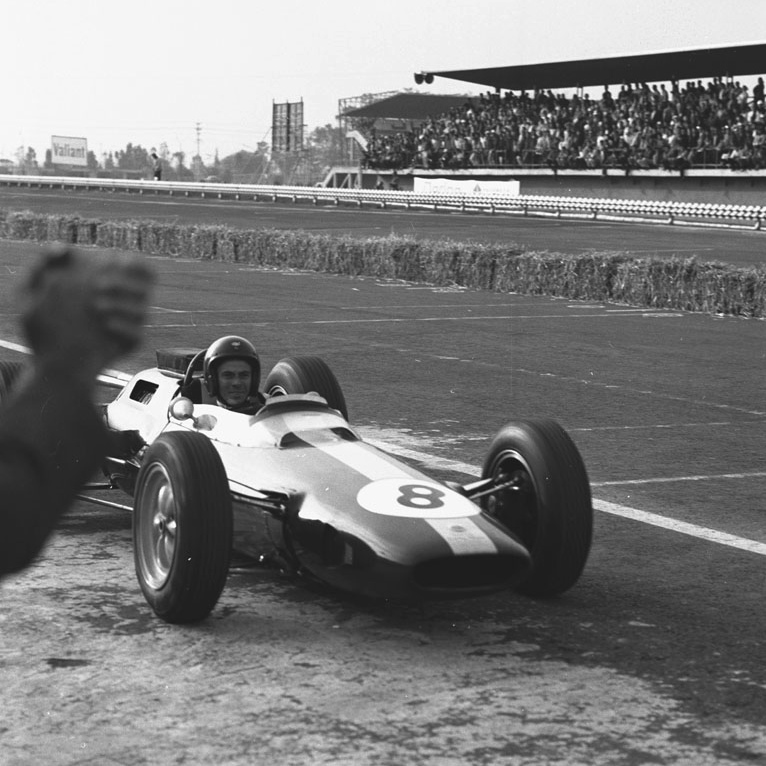
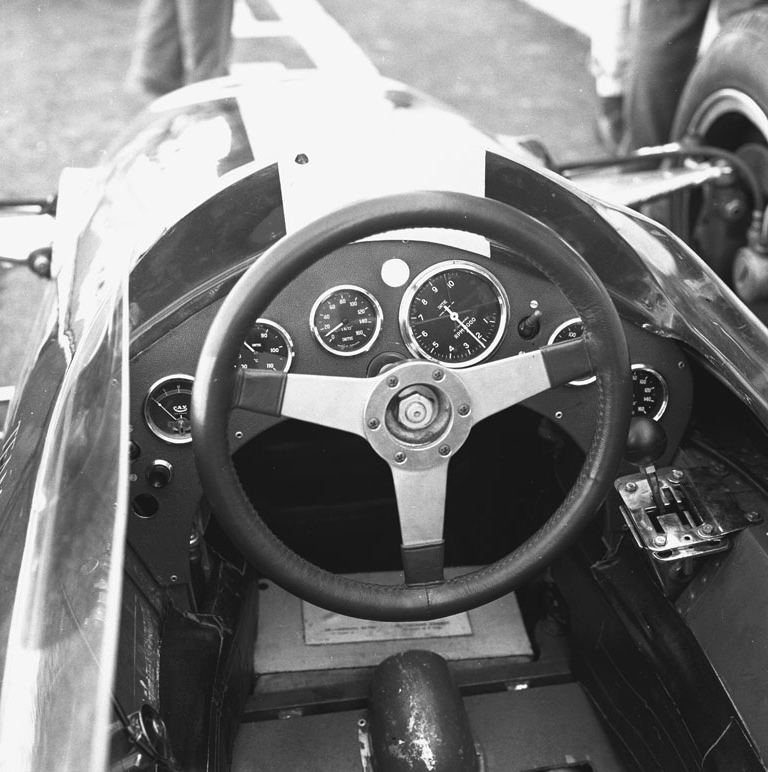
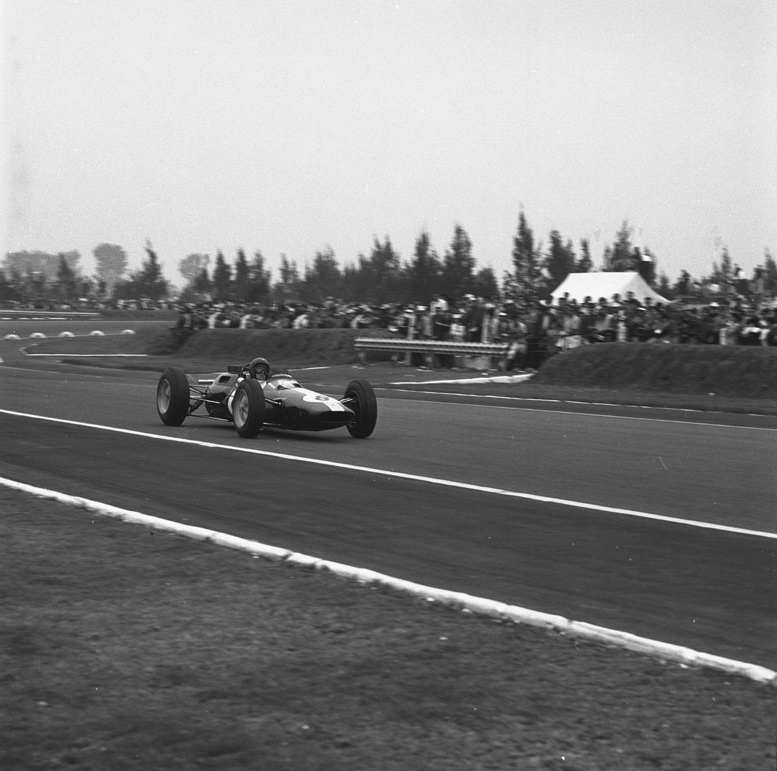
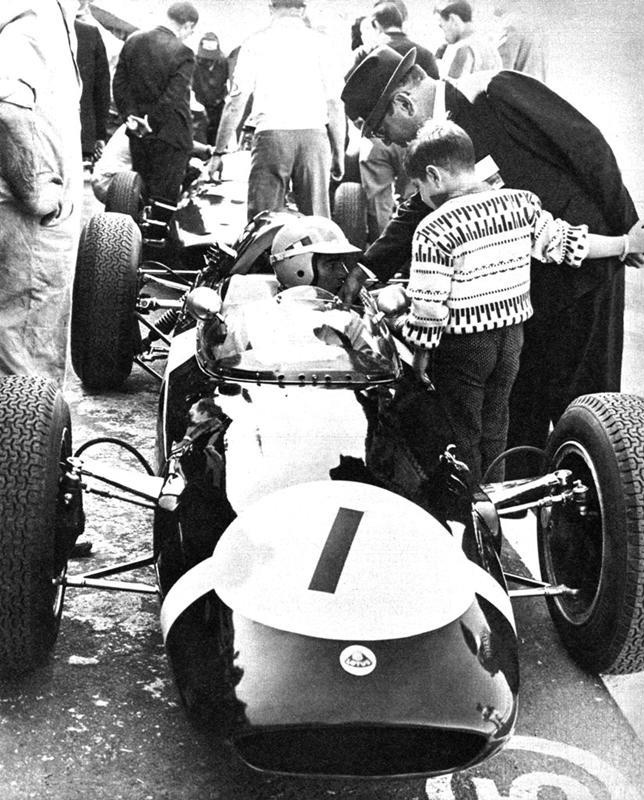
Captions (from top): Although he led the Mexican GP from start to finish, it was by no means an easy weekend for Jim Clark and Team Lotus. Gearbox problems delayed him in practice and in the closing stages of the race the Lotus 25 developed a fuel vaporisation issue.  Here, very relieved, he receives the plaudits; Jim’s 25 looked a little spare in Mexico, lacking, as it did, the plastic Lotus badge normally mounted in the centre of the red-rimmed steering wheel; with Pedro Rodriguez on his right and Jo Siffert just behind him and to the left, Jim listens attentively to the drivers’ briefing. Dan Gurney stands in the background and Jo Bonnier to Jim’s left; Jim accelerates out of the Esses towards the Peraltada. Note the small deflector added to the front of the windscreen for this race ; below – one of the sadest photographs I know.  As we remember 50 years since the first World Championship Mexican GP, here’s Ricardo Rodriguez at the non-championship 1962 race the year before, just prior to his fatal accident.  Unfamiliar in Everoak space-type helmet, Ricardo kisses the hand of his father before setting out for another practice run with Rob Walker’s Lotus 24-Climax.  His youngest brother, Alejandro (who died recently), looks on. Soon afterwards, the right-rear suspension broke on the Lotus, plunging Ricardo head-on into the Armco.  Ricardo and Pedro were Mexican motor racing, and their world stood still when news of the tragedy broke. Pedro, just as gallant, just as brilliant, died in a minor sports car race in 1971. As we look forward to Mexico’s return to the F1 calendar in 2014, we’ll always remember los hermanos Rodriguez Images: LAT Photographic, Diego Merino/Luc GhysRicardo Rodriguez Mexico 1962
At last: the Arciero 19

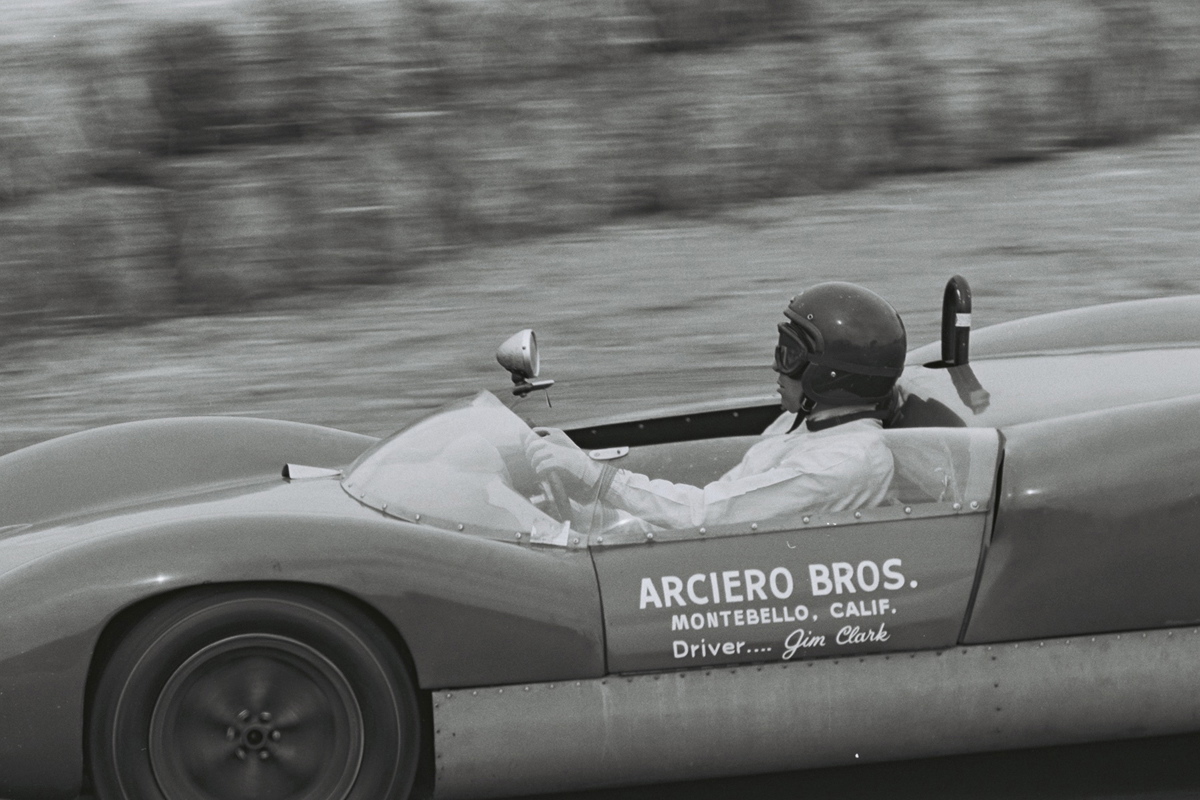
1963PacificGPatLagunaSeca_012Laguna Seca was Jim Clark’s next temporary home, for the LA Times and Pacific GPs were held over consecutive weekends.  The entry for Laguna, then, was as enticing as it had been at Riverside – with one major exception:  Jim Clark was now a major contender for overall victory. The Arciero Brothers had rebuilt the 2.7 litre Climax engine in their famous Lotus 19 and Jim was now all set to go.  At one stage an Indy Lotus 29 development test had been planned for this weekend – new Dunlops to be tried, together with new engine ancillaries prior to the arrival of the overhead cam Ford V8 – but this test had now been postponed until after the October 27 Mexican GP.  Good thing too.  The Monterey coast was a nice place to be in late October – and the Arciero Lotus 19 was going to be a nice car to drive.  Jim had until now never raced a 19 but he’d heard lots about the speed of Innes Ireland in the Rosebud 19 (now badly damaged following Innes’ serious accident at Kent, Washington, a few weeks earlier) and Stirling’s mastery, of course, of the BRP 19.  It would be the one and only time he’d race a 19 in the States but he would win again with one at Oulton Park in 1964.

It was no surprise that Jim adapted quickly to the car and to the new circuit. That Arciero 19 was loved by all who drove It – and a fair few drivers sat in the car. He knocked half a second off the lap record after only a few minutes of practice and would have started from the pole but for Bob Holbert’s pace in the much quicker, Cooper-based Shelby King Cobra; team-mate MacDonald, on this occasion, was way back on the grid after various problems necessitated an engine change.1963PacificGPatLagunaSeca_402

I am delighted to publish more classic photographs from this Laguna meeting, courtesy of The Henry Ford – and to be able to catch a flavour of the event on the adjoining video. Poor Chris Ekonomaki is so excited about seeing AJ and Parnelli in the same race, let alone other heroes like Dan Gurney, Bob Holbert, Dave MacDonald, Pedro Rodriguez, Graham Hill and Jim Hall, that he plain forgets even to mention Jim Clark in his opening salvo.

Suddenly, though, after a slowish start, there he is, pushing Holbert hard and then taking the lead when the King Cobra’s engine begins to overheat: Holbert had nudged a back-marker whilst lapping it and had crumpled a radiator inlet.

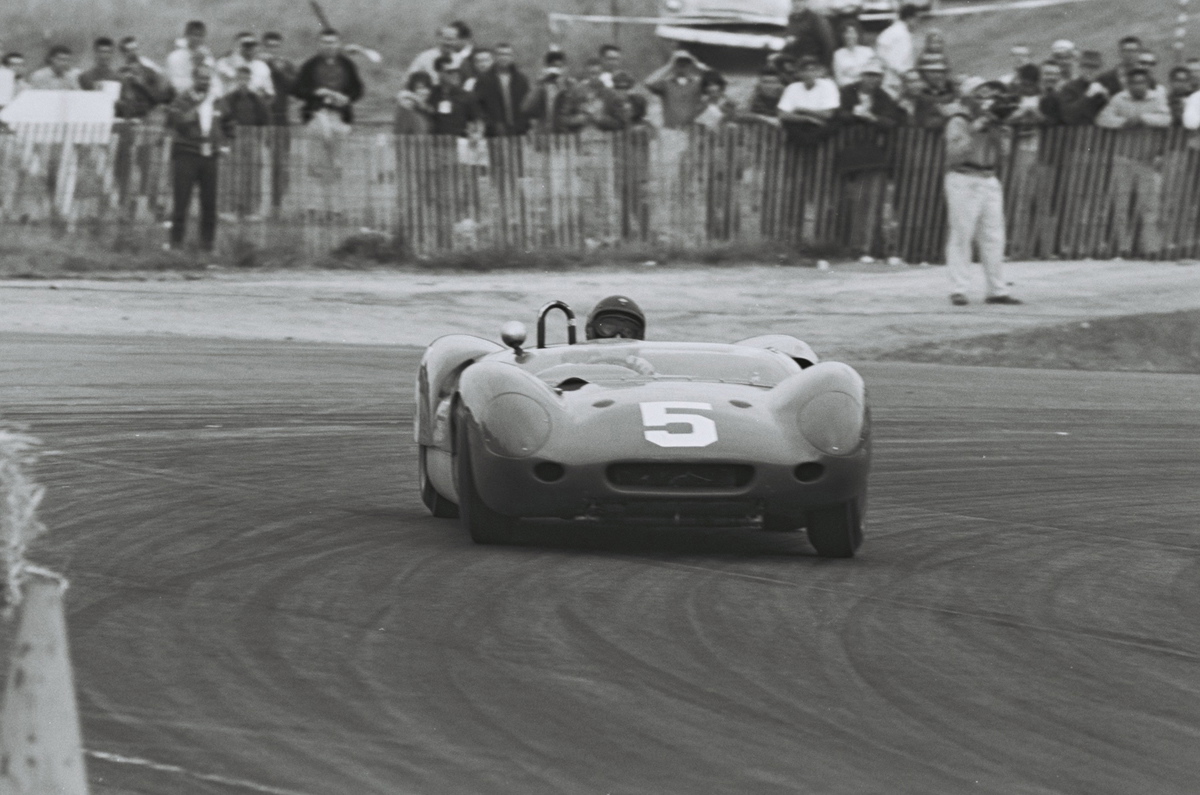
Driving beautifully in the 19, sliding the rear in best Dave MacDonald tradition, Jim then looked set for victory.Then he, too, fell victim to the sort of incident that would never happen today. Slightly off-line whilst lapping Richie Ginther’s Porsche, Jim suddenly found a half-tyre marker right in his path; another car had flicked it up only a few seconds before.  Rather than swerve to avoid it – and thus either hit Richie or risk a high-speed trip into the infield – Jim chose to run over it. There was a loud THWUMP and then smoke, lots of it, from a broken nose auxiliary oil cooler. Jim pulled off the track. Chris called it as an engine problem but Jim’s immediate examination of the front of the car tells the real story.  He sees the oil and he knows his day is over.

Dave MacDonald eventually won this race, too, spearing his rebuilt King Cobra up through the field in another epic drive. AJ Foyt was second in the gorgeous Scarab, Jim Hall third in the curious Chaparral and “Corporal” Tim Mayer (for he had been in the army) an excellent sixth with his ex-Normand Lotus 23B. It’s also worth noting that a certain Ronnie Bucknum dominated one of the support races at Laguna with his MGB. Less than a year later he would be making his F1 debut at the Nurburgring at the wheel of the brand new Honda!1963PacificGPatLagunaSeca_3291963PacificGPatLagunaSeca_335

Thus ended Jim’s Californian interlude.  Now it was time to re-jig and to fly to Mexico City, where Jim had won the year before in the non-championship F1 race, when he’d taken over Trevor’s 25 after being black-flagged for receiving a push-start. (As well as splitting the prize money, Jim had given Trevor his Breitling watch as a way of saying ‘thankyou’.) Ricardo Rodriguez had been killed in practice for that race in ‘62. Now, 12 months on, Ricardo’s brother, Pedro, would be Jim’s team-mate for the second time.

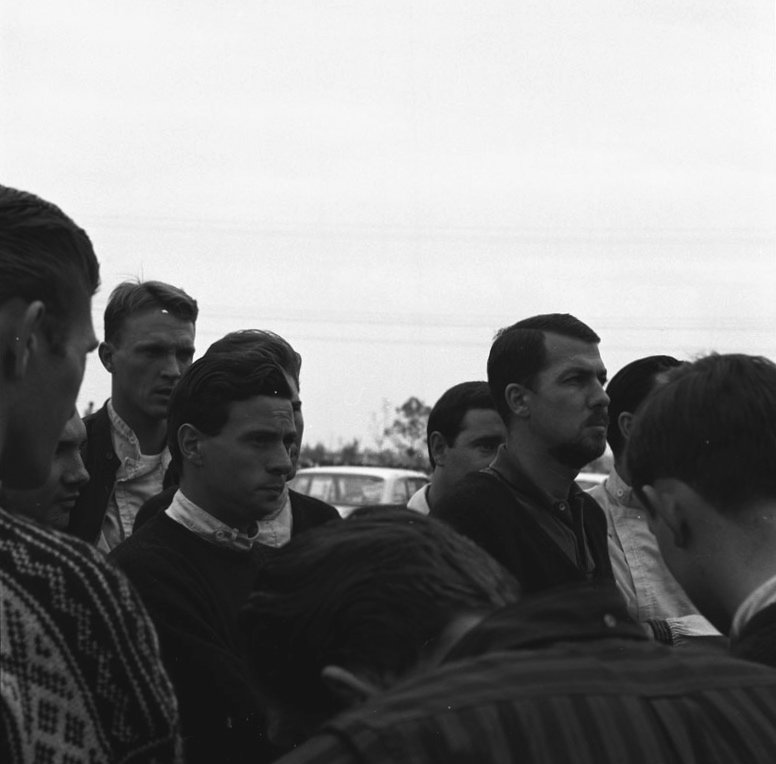
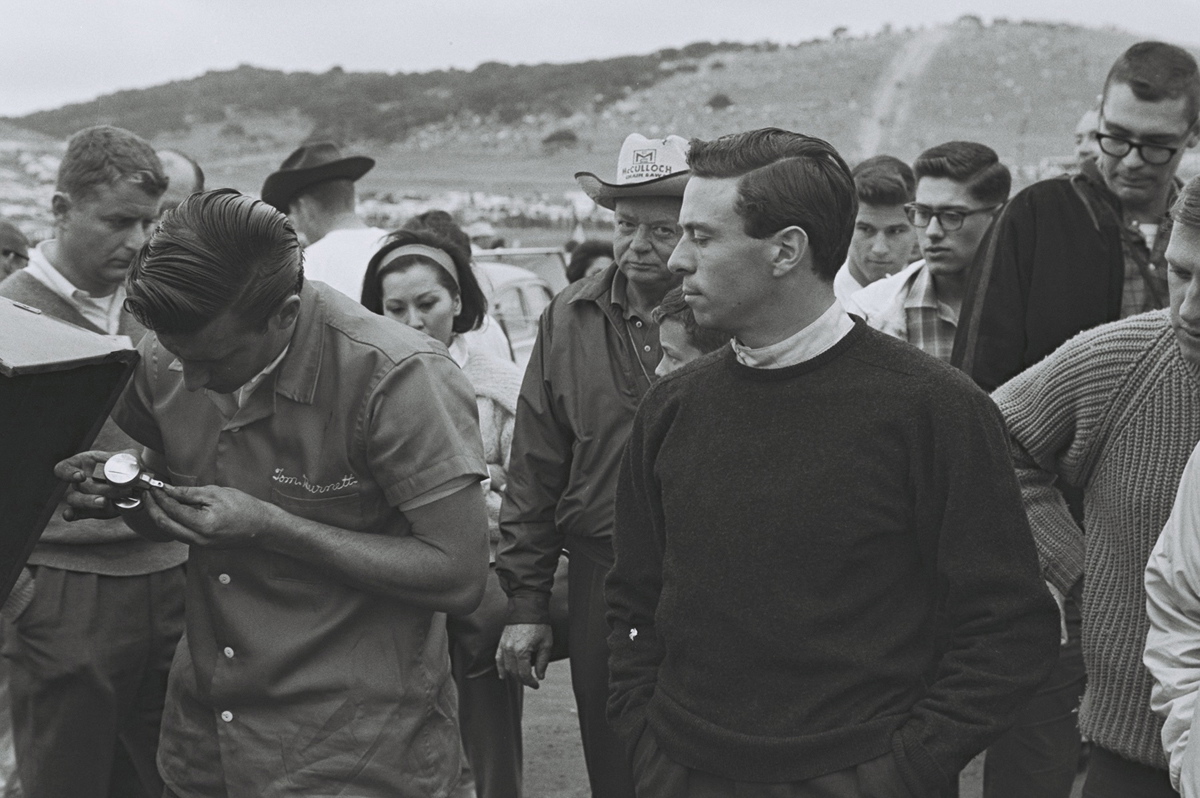
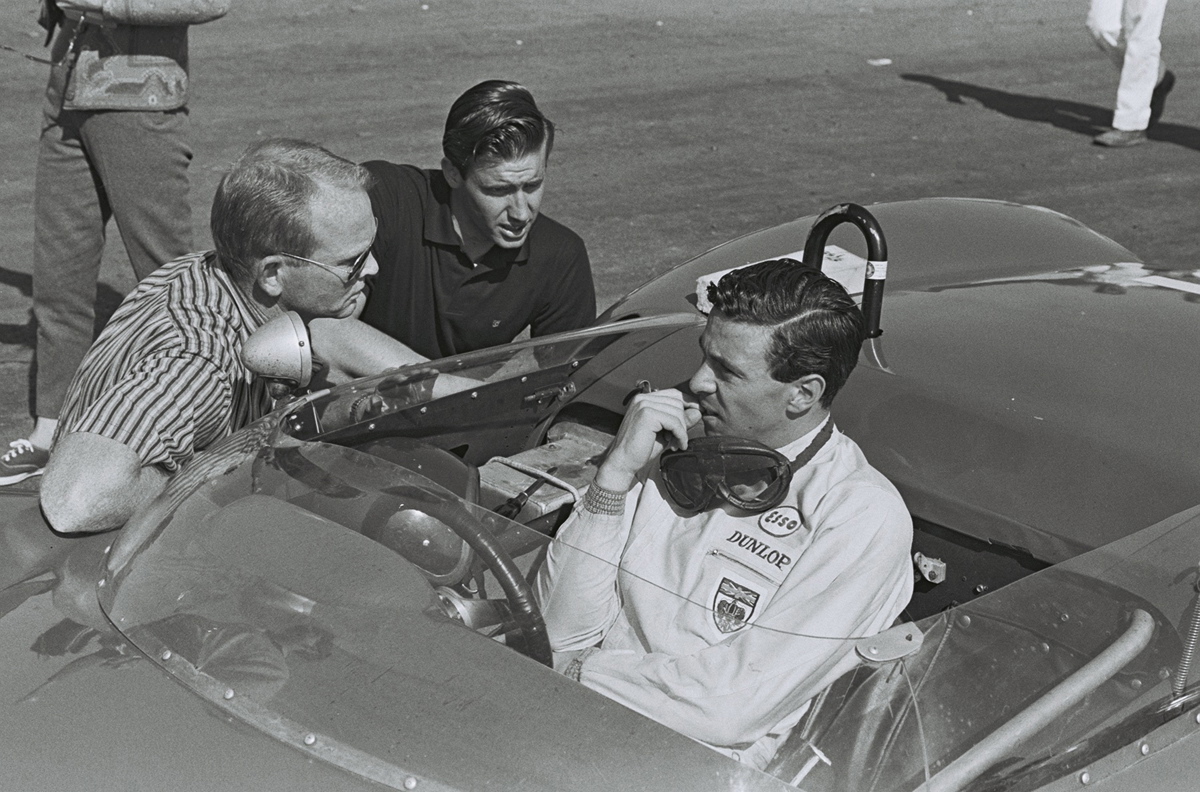
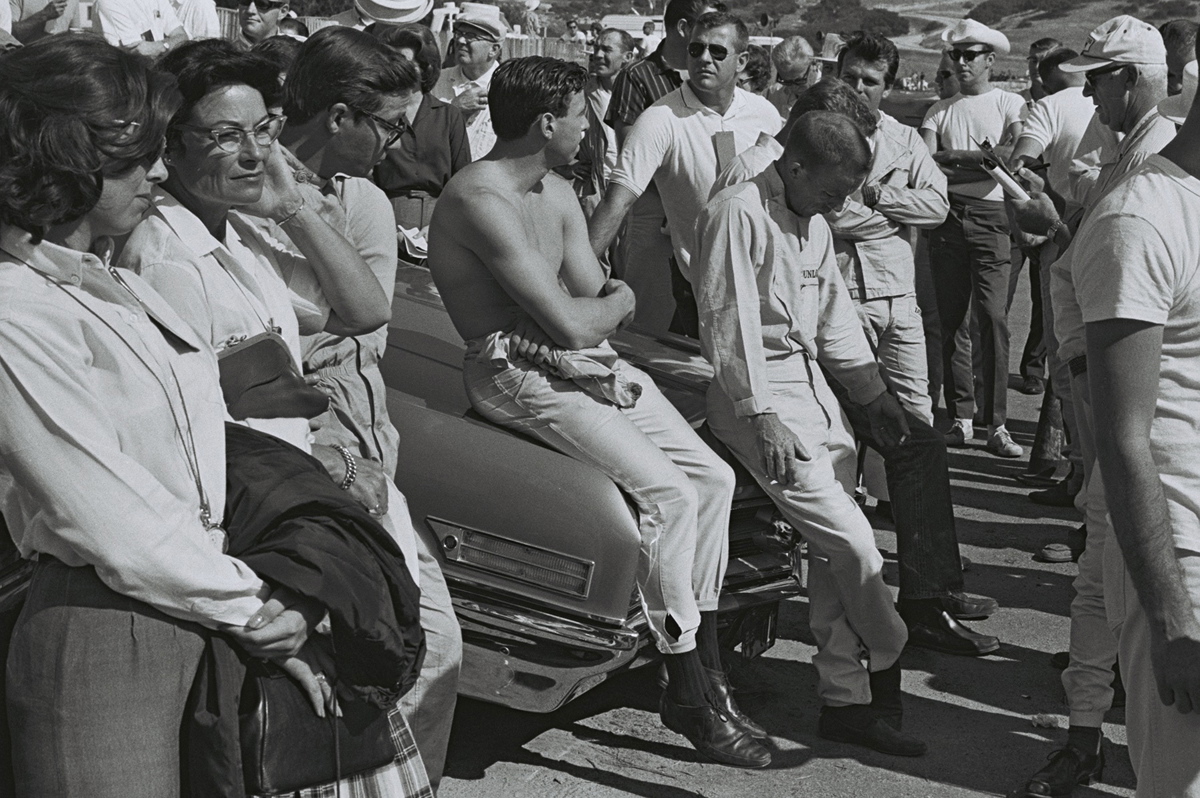
Captions, from top: Jim in typically relaxed pose in the Lotus 19.  Note the ironed creases down the arms of his Dunlop blue overalls and – as ever – the absence of seat belts.  The Pitt 19 Jim raced in ’64 was fitted with wire wheels rather than the Lotus wheels on this car; a Pacific breeze induced a pullover for Friday practice; Jim bites some more nail prior to qualifying; drivers briefing.  Jim enjoys the fall sunshine.  On his left – Richie Ginther, Walt Hansgen, a very young Peter Revson and Jim Hall.  On his right – the driver he most admired in the late 1950s:  Masten Gregory; below – Jim turns it on, MacDonald-style, as he exits the last corner of the Laguna lap Images: The Henry Ford http://www.thehenryford.org1963PacificGPatLagunaSeca_580

“He’s boyish and affable…a gentleman…”

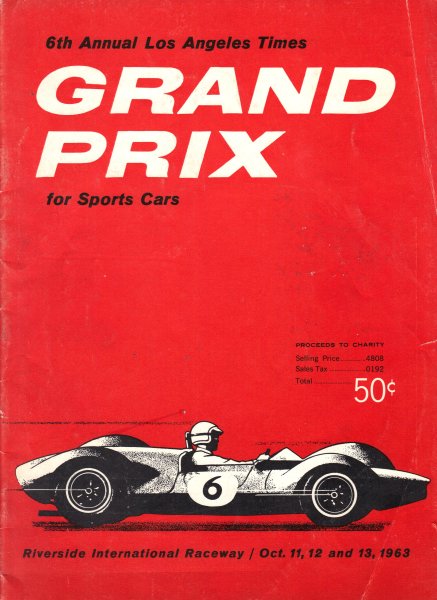
1963TimesGPatRiverside_0616Jim was intrigued, when he met Frank Arciero on arrival at LAX, to hear about Frank’s famous 2.7 litre Lotus 19-Climax – the car he would race in Sunday’s LA Times-sponsored Grand Prix at Riverside. Frank struck a cautionary note, however: the tired engine was losing its oil pressure and there wouldn’t be time to fix it should things turn bad.  Jim sensed that it could be Mosport all over again;  it was a function of making long-distance race arrangements for last-minute arrivals.  The Arciero brothers – huge race enthusiasts both – were nonetheless optimistic.  The sons of a father who fought in such WW2 arenas as Monte Cassino (with the Allies!), Frank and Phil were shipped off to America – to Ellis Island – in 1939.   Concrete – construction – was their trade; California was where they made their fortune.  A wine business followed. Then real estate.  And then, in the late 1950s, with a fortune to back both his hand shakes and his promises, Frank began to support the cream of young American racing drivers.  Dan Gurney.  Parnelli Jones.  Phil Hill.  Bobby Unser.  Chuck Daigh.  By 1963, the Arciero Brothers, based in Montebello, East of Los Angeles, California, were regular, headline fixtures on the “Fall Pro Series” – in the big-money, big-engined sports car races at circuits like Bridgehampton, Kent, (Washington), Laguna Seca and Riverside, where internationals like  Stirling Moss, Innes Ireland and Masten Gregory fought the best of the locals – the Walt Hansgens, the Roger Penskes, the Bob Holberts.

The 1963 LA Times Grand Prix at Riverside, further east again from LA, was to be the biggest and best yet for the Arcieros.  In a piece of stage-management that stands right up there with anything that, say, Red Bull, could conjure today, Frank brought Jim Clark and Parnelli Jones together as team-mates in two different types of Lotus – the 2.7 litre Coventry Climax-engined 19 and a similarly-powered 23.  1963TimesGPatRiverside_1528Both drivers, what’s more, would be right there in terms of the outright race win.  There was big prize money to be won at Riverside – $35,000 in total, with about a third of that going to the overall winner. Jim liked this concept; he liked the idea of racing for serious prize money (as distinct from the reasonable starting money in Europe).   He was a professional racing driver.  He liked to earn his money on the race track. He wasn’t one for hardline contract negotiations behind closed doors.

He wasn’t alone, of course, in his attraction to the prize money. I repeat here the line-up of major runners at this Riverside race if only because it feels so good to type their names and the cars they drove:_Riverside-1963-10-13

Jim Clark (Arciero Lotus 19-Climax/Lotus 23B-Ford)

Graham Hill (Ian Walker Lotus 23B-Ford)

Jim Hall (Chaparral-Chevrolet)

AJ Foyt (Scarab-Chevrolet)

Dave MacDonald (King Cobra-Ford)

Bob Holbert (King Cobra-Ford)

Dan Gurney (Genie-Ford)

Roger Penske (Zerex-Ford)

Pedro Rodgriguez (Genie-Ford)

John Surtees (Ferrari)

Richie Ginther (Porsche RS)

Bill Krause (Elva-Ford)

Roy Salvadori (Cooper Monaco-Climax)

Bob Bondurant (Cobra-Ford)

Augie Pabst (Lotus 19-Climax)

Lloyd Ruby (Harrison-Ford)

Jerry Grant (Lotus 19-Buick)

Timmy Mayer (Lotus 23B-Ford)

Frank Gardner (Brabham BT5-Ford)

Dick Thompson (Maserati)

Rodger Ward (Cooper Monaco-Buick)

Jerry Titus (Genie-Chevrolet)

Chuck Parsons (Lotus 23B-Ford)

Ken Miles (Dolphin-Porsche)

The LA Times went crazy with promotion; on race day, out there at Riverside, with the mountains in the backdrop, perched on the grass banks, looking across the ups and downs of the famous circuit under a baking California sun, sat an 82,000-strong crowd.  It was the biggest ever seen at an American road race – bigger even than at all the US GPs run to date.

For Jim, though, the weekend started badly. Graham Hill was there with the well-sorted Walker 23B; Timmy Mayer had just imported one of the Normand Lotus 23Bs (and would race it still in Normand colours); the King Cobras and the Chaparral were obviously going to be hard to beat.  It seemed that everyone had a ride – everyone, that is, except the new World Champion.  The Climax had indeed lost its oil pressure.1963TimesGPatRiverside_12011963TimesGPatRiverside_03521963TimesGPatRiverside_12721963TimesGPatRiverside_0679

Frank felt terrible and promised Jim that he would have a rebuilt engine installed in the 19 for the following weekend’s race at Laguna Seca.  For now, he could but give Jim the telephone number of the local LA Lotus dealer, Bob Challman.  Maybe Bob would lend him a car.

So it was that Jim Clark, the mild-mannered shepherd from the Scots Borders, met Los Angeles.  A diminutive new passenger jet had just had its first flight in the hands of Hank Beaird and Bob Hagen. It was called the Learjet 23. The West Coast seemed to be another country again; the specialist machine shops – and even the race shops – around LA were abuzz with the burgeoning NASA space programme. With Watkins Glen already feeling an age away, Jim therefore set off under the sun to find 2301 Sepulveda Boulevard, Manhattan Beach – Bob Challman’s dealership. He was alone. The eight-hour time difference to England made it impossible for him to involve Andrew Ferguson, Team Lotus’ Racing Manager in the negotiations – even if Colin had sanctioned the cost of trans-Atlantic phone calls. None of his usual mechanics were with him. He knew Dan, of course, and Parnelli, and AJ Foyt, and Rodger Ward, but still he was a foreigner, a newcomer to very different shores.

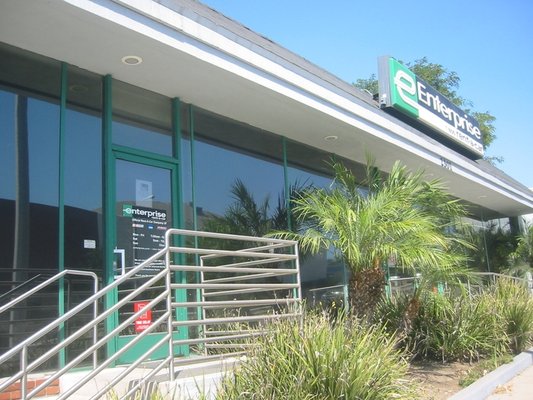
Bob Challman’s Lotus dealership (now an Enterprise Rental office) was vibrant and innovative.  lBob, who also raced when he had the time, would soon become famous on Madison Avenue for his slickly-worded advertisements for the new Lotus Elan – and for his ‘60s graphics. Convertible Elans looked great in the Californian sun;  Bob’s name, and that of Lotus, sat up there in lights, Vegas-style, by the Manhattan Beach dealership.This was a far cry, of course, from Cheshunt, North London.

An example of the sort of ad copy Bob produced (under the title, “This One Doesn’t Snarl”) can be gained from the following Elan publicity, LA-style:

“To the buff who’s become accustomed to the fierce sounds and exotic forms of the current hairy breeds, the Lotus Elan may come on with a bit of a jolt.  There are no ear-tweaking screams or jungle-like roars, even when turning full-crank.  The Elan moves quickly, but without fanfare.  The body form is also a modest understatement, totally lacking in toothy overhangs and embossed lumps.  The design is functional, and handsomely finished, but by no means overpowering.  If you’re just looking for something to park in front of the apartment – forget it.  On the other hand, if you’re the kind who seeks those inner qualities that come with quiet types, you will find the Elan an attractive package of enduring pleasures.”

All of this, I think, would have brought a smile to the face of one James Clark Jnr.  And it is a matter of record that Bob Challman instantly came to Jim’s rescue.  He just “happened” to have a brand new Lotus 23B awaiting pick-up by a West Coast customer. Of course Jim could race it at Riverside. It would be a privilege.

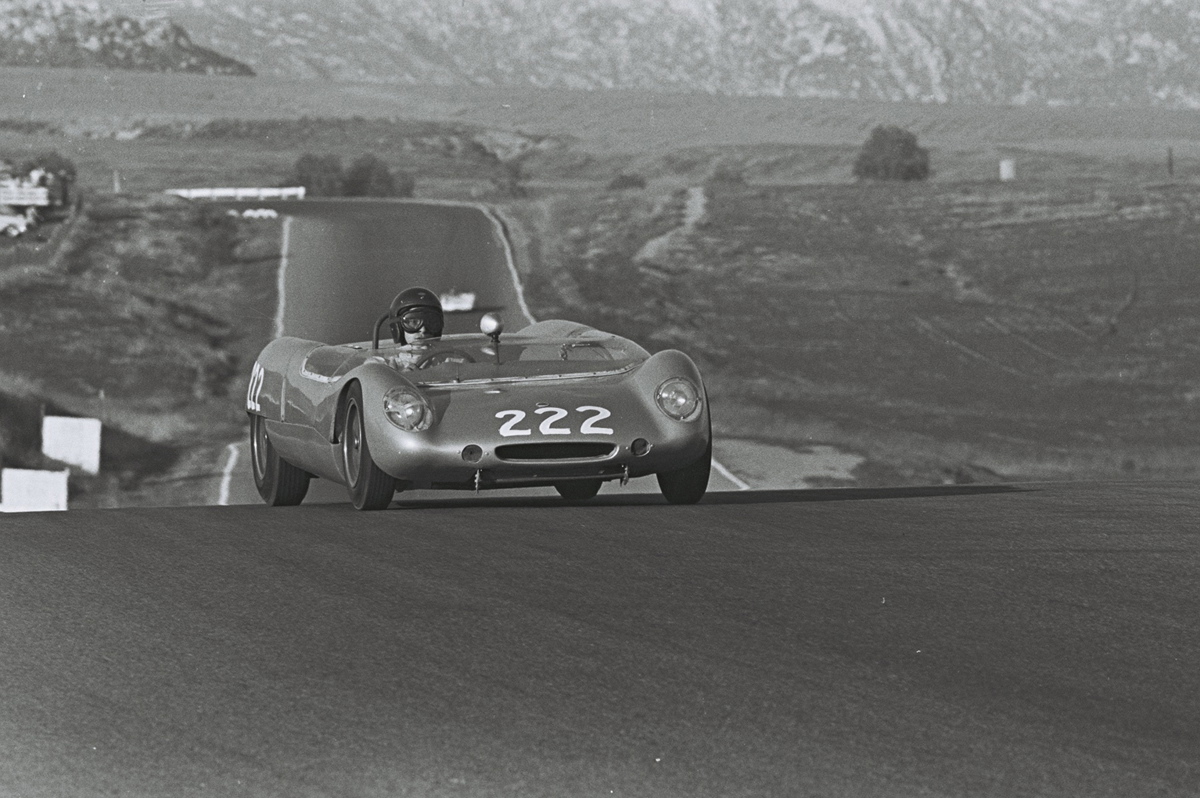
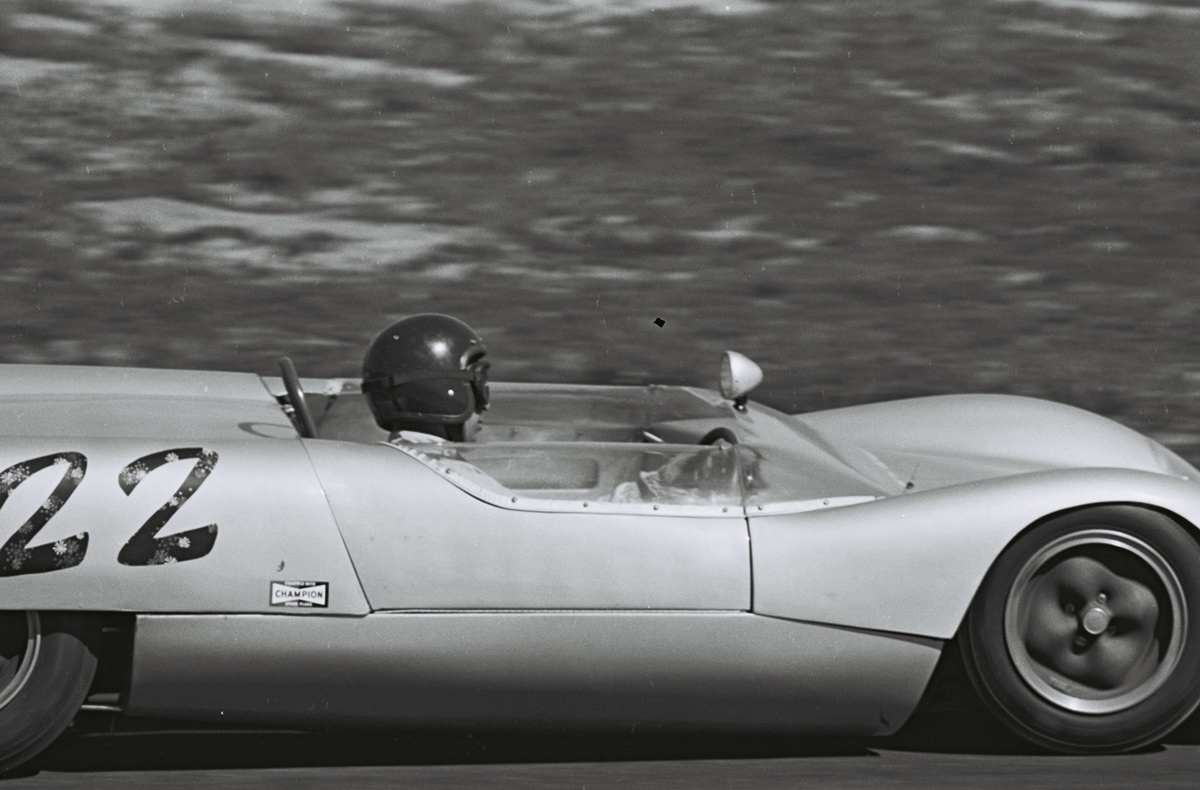
In the way of Bob’s “modest understatement”, Jim’s new car would be finished in plain silver. There was no signwriting, apart from a small Champion sticker. It didn’t even carry the name of Bob’s racing team (Ecurie Shirlee) – or that of its driver. It simply wore Jim’s new racing number – 222 – in white on the nose and in black (complete with starbursts!) on the rear sides. (Jim’s original Arciero number was 2 and 22 was taken!)

It was indeed a brand new car; and, given that Jim was by then the world’s foremost 23 exponent – he had debuted a 23 a year and a half ago, in Germany – there was every chance that Jim would quickly be able to sort it. All hopes of outright victory had to be expunged. Jim focused on a class win. His main opponents: Graham Hill, naturally, and also Timmy Mayer.  Bill Krause wasn’t slow; and Frank Gardner had showed the pace of the new Brabham BT5 recently at Oulton Park.

The 23 arrived late at Riverside, as befitted its virginity. Jim walked into the circuit in short-sleeved shirt and dark slacks, race bag in hand, in company with Parnelli, who was to race that other Arciero car – a new Lotus 23 fitted with a big Ford V8.  Amazingly, and despite much work at the track, this entry was scratched, too. For Frank and Phil, this was probably the team’s darkest hour.  Jim’s 23, though, fettled by the Ecurie Shirlee mechanics, was eventually ready for the last few minutes of practice.  Jim qualified on the eighth row, alongside Jerry Titus, with a time of 1min 37.6, a second away from Mayer (who was the quickest 23 driver), Hill and Gardner.1963TimesGPatRiverside_0329

You can enjoy with race on the adjoining YouTube clip. It was hot and it was long. There were many retirements. Jim, in familiar Dunlop blues and peakless Bell Magnum, and with no seat belts, lost time at the start after a slight contretemps with Krause but gradually he worked his way through the pack to win his class and to finish fifth overall. His was a drive of svelte mechanical sympathy and wonderfully consistent pace. It was a World Champion’s drive, to be sure – all the more so because he was lapped several times by the race winner, Dave MacDonald.  Regardless of the ignominy, Jim remained focused and calm.  There was a job to be done. And he did it, despite (uniquely, amongst the top six) taking a precautionary, 23-sec stop for fuel on lap 58. He won $2,300 for winning his class and a further $100 from that Champion spark plug bonus sticker.

It would be remiss of me at this point not to pay homage to the very humble but amazingly-talented Dave MacDonald.  With his goggle strap worn inside his gold helmet, in the American fashion of the time, and in white t-shirts and Levis out of the car, Dave was a crew-cut star who shone brightly for too brief a time. Look at some of the angles he creates in that Shelby King Cobra!  Look at his aggression in traffic.  Yes, Jim Hall led the Riverside race in his amazing, revolutionary Chaparral 2.  Soon, though, Hall was lighting up a cigarette and walking back to the pits. Roger Penske was very quick in the 2.7 litre Zerex, despite no longer being allowed to sit centre-chassis. So was Dan Gurney in the smoke-stack Genie-Ford. Pedro Rodriguez continued to display all the flair that had emerged at Mosport and then at Watkins Glen. Bob Holbert was there. It was MacDonald, though, the former drag-racer, who stole the day.  He lapped the entire field.  He won $14,340 plus the Pontiac Pace Car.

Dave would go on to win..and to win.  He won at Kent the following May. And then, a few days later, he was fatally injured in that fiery first-lap accident at Indianapolis.  A great American talent was lost.

Jim enjoyed Riverside.  In the papers the next day they described him as a “gentleman” –as “boyish and affable”. These weren’t the sort of adjectives you’d find regularly in the sports sections of The Times or The Daily Telegraph but in many ways the American writers got it right.  There was much more to Jim Clark than the demure Scots farmer who in Europe was always seen in tandem with Colin Chapman. Here, in California, Jim was the new World Champion living a different sort of life. He was self-contained, a driver-entrepreneur living in the Space Age.

And he liked it, he mused, as he drove north in the rental car up to Laguna Seca.

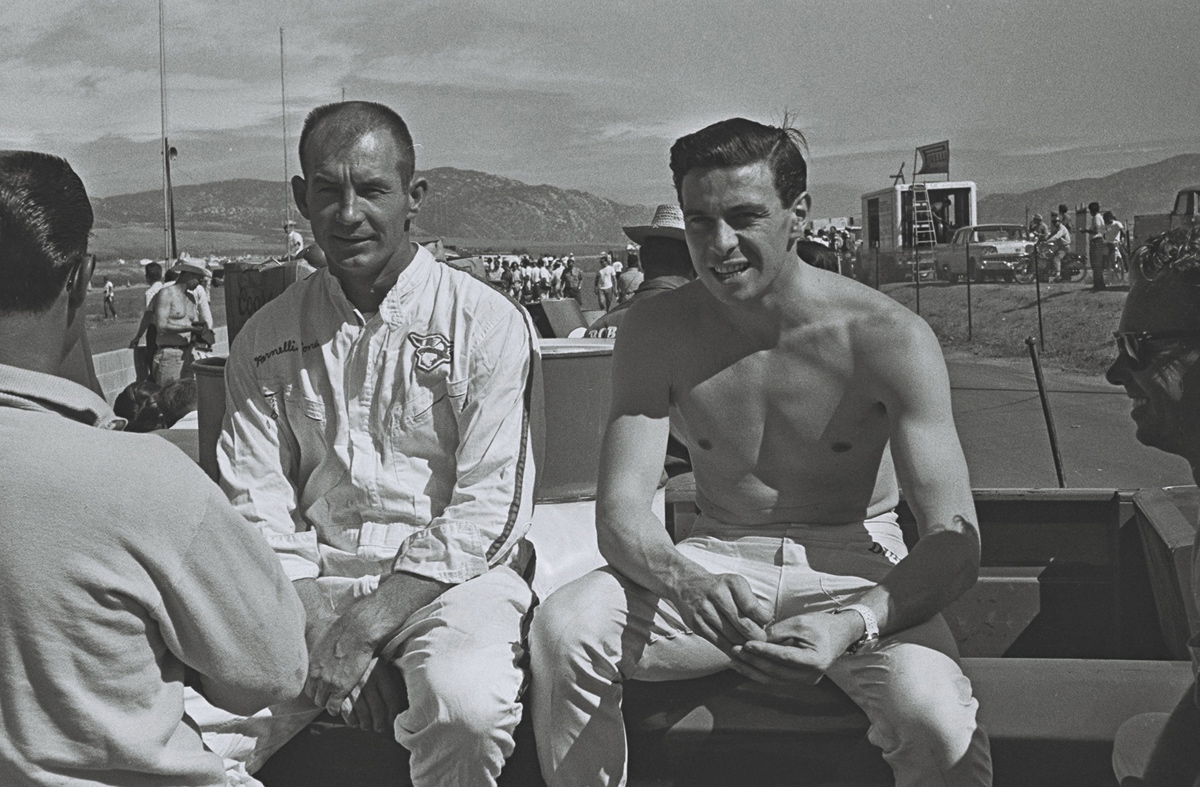
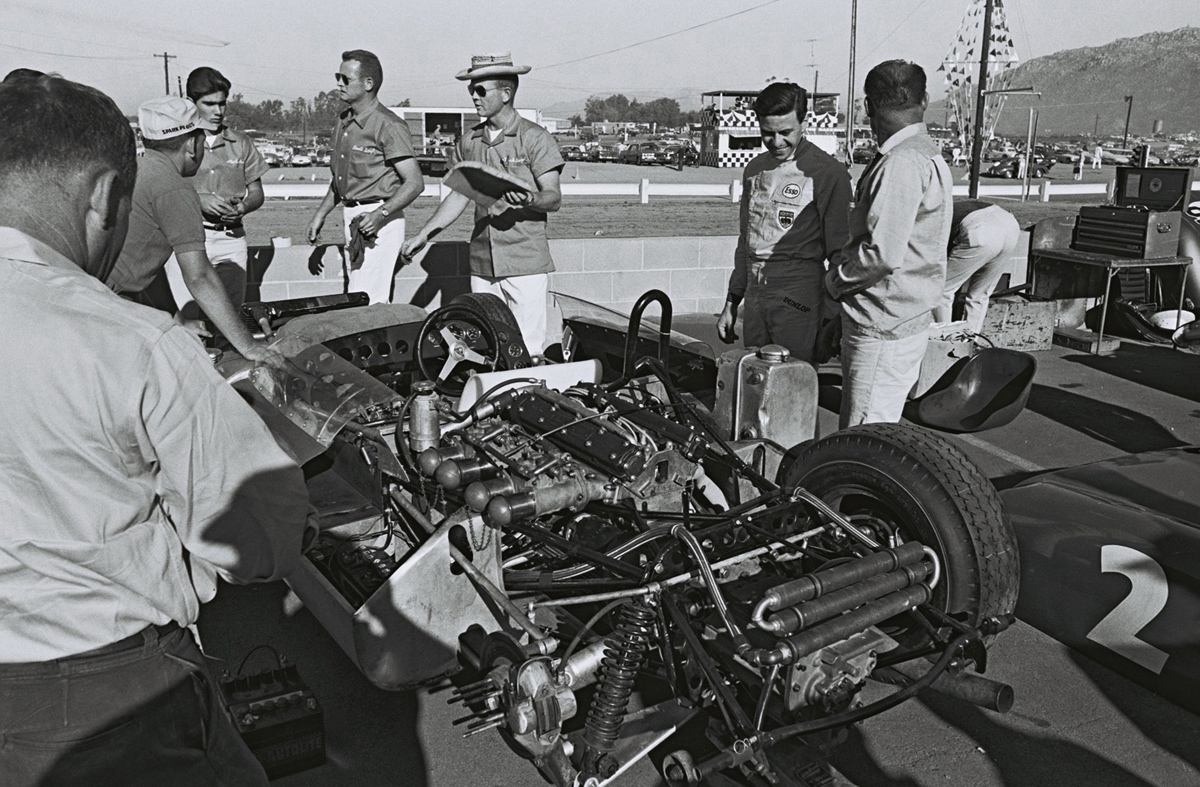
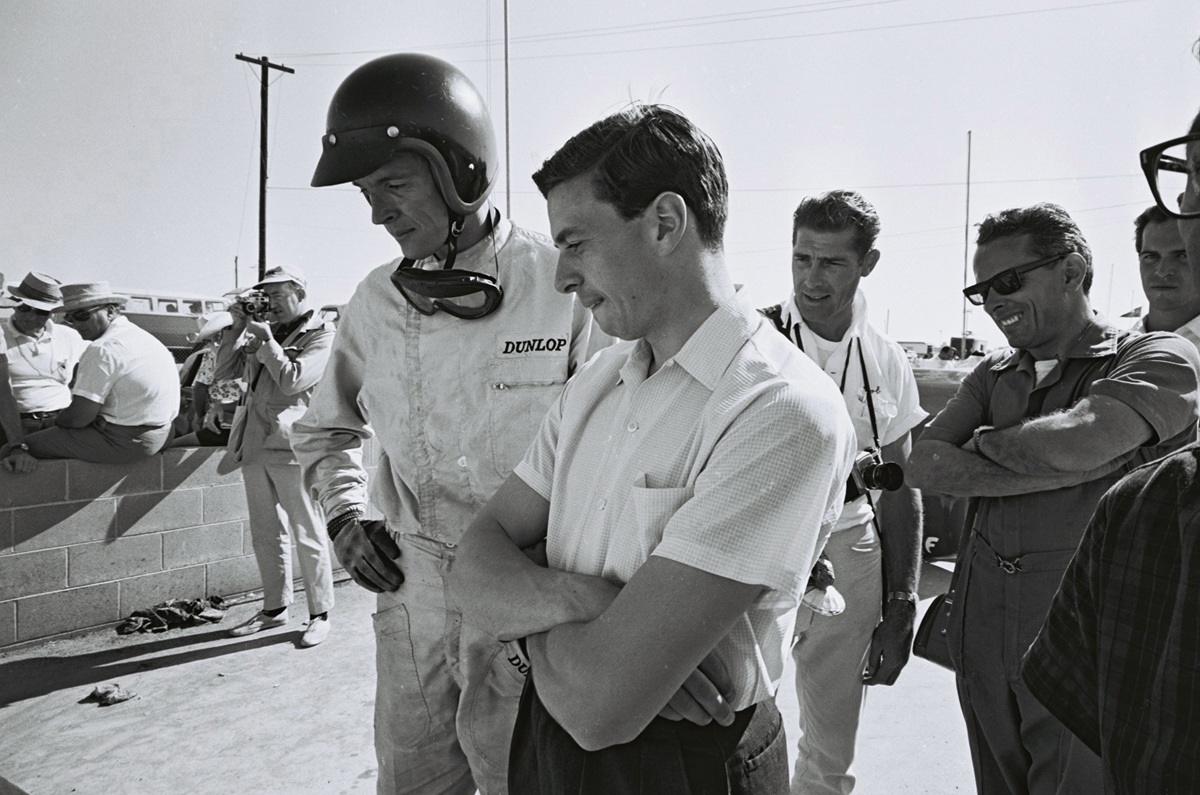
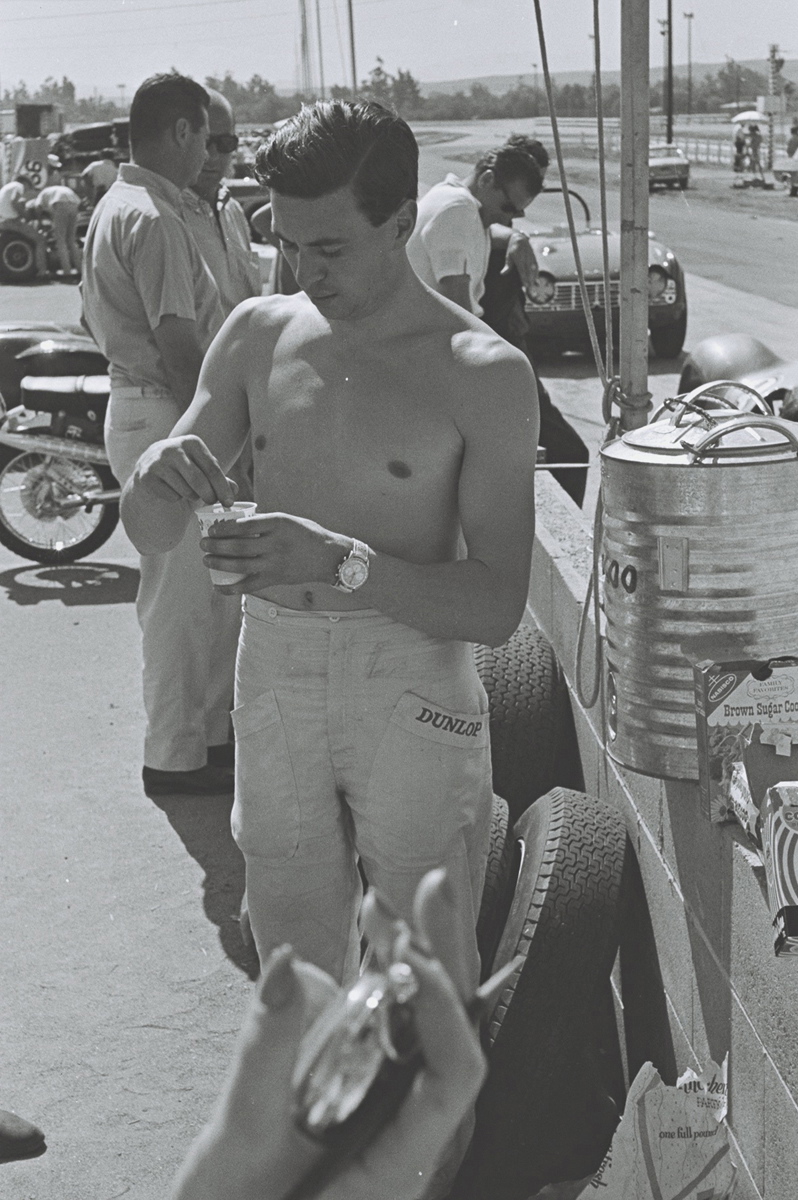
Captions, from top: Jim in the brand new Lotus 23B at Riverside, 1963; team-mates (almost): sitting on a pick-up truck by the Riverside pit wall, Jim hides his Arciero disappointment with Parnelli Jones; Jim even manages a smile as he stands by the Arciero Lotus 19-Climax, knowing that he’s going to need to find another drive; while awaiting the Ecurie Shirlee 23B, there was plenty of time to look and see.  Here he shares a moment with Dan Gurney, stops for a cuppa and chats to the natives; Bob Challman’s Manhattan dealership as it is today – an Enterprise car lot; Jim in the 23-Ford.  Note the angle of the front wheels and the steering lock.  There’s a nice drift going on here  Below: it was a long, hot afternoon.  Here he is post-race with the Champion man, learning about his finishing bonus  Graphics: from the collections of The Henry Ford; http://www.thehenryford.org

1963TimesGPatRiverside_0095

The Glen ’63: “…he was given to understatement…”

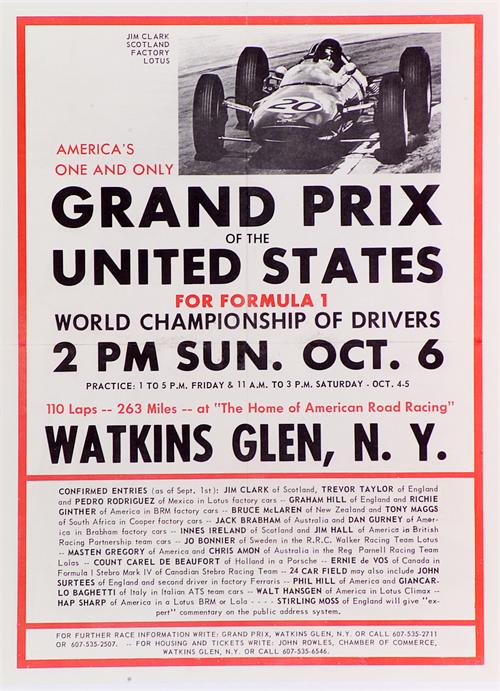
21699.tifFrom Trenton back to London; from London to New York and then on to Elmira, the small airport local to Watkins Glen.  The 1963 US GP would be Jim Clark’s first as World Champion.

Jim loved his days at The Glen;  everyone did.  The leaves had by now turned red and brown; there was a mist in the mornings that lifted only as the sun broke through before noon.  And this was a Grand Prix run by good, racing people – men like Cameron Argetsinger, who had brought motor racing to Watkins Glen in 1948,  Media Director, Mal Currie, and Chief Steward, Bill Milliken.  All had rich racing and automotive histories.  Milliken had been a Boeing test engineer during World War II and had joined the Cornell Aeronautical Laboratory (Calspan) in 1945.  As an avid Sports Car Club of America (SCCA) member and former driver/designer, Bill in 1960s and 1970s became the doyen of US automobile engineering research. He was, in short, the sort of Chief Steward in whose presence you doffed your cap. The drivers and key team people stayed nearby at the Glen Motor Inn, hard by the Seneca Lakes, where their hosts were Jo and Helen Franzese, the second-generation Italian couple who loved their F1.  Legends were born overnight at the Glen Motor Inn – and even at the old Jefferson hotel downtown. Lips, though, were always sealed.  Such was life that October week at The Glen.

Ford made a big splash, too, this year of the Lotus-Ford at Indy.  This was the US GP!  Sixty thousand fans were expected.  Cedric Selzer, hooking up with the Team Lotus “US guys” for this race, remembers the drive up from New York airport on the Tuesday before the race:  “We were given the keys of a saloon, a coupe and a convertible and made our way out of the city, heading for Watkins Glen.  When we stopped at traffic lights, people came over and asked us about the cars.  We told them we’d got them from the Ford Motor Company but it took us three days to realize that we’d all been given 1964 models than no-one had seen before.

“The following afternoon, Jim Endruweit hired a Cessna 180, with a pilot, and we flew over the Finger Lakes. It was autumn, and the seasonal colours were unbelievable.It seemed a shame when it was time to get back to the task of winning a motor race…”

Milliken remembers the pre-race party:  “High point of the festivities were the parties at the Argetsinger’s home in Burdette.  All drivers and officials were there in an atmosphere or pure fun and excitement, bolstered by great conversation, good food and dozens of magnums of champagne from the local vineyards.  The homespun hospitality led to permanent friendships and was never forgotten by the drivers or teams.”Watkins_Glen_Dec_2002_209.1

Practice took place over eight absorbing hours, split between two four-hour sessions on Friday (1pm-5pm) and again on Saturday (11am-3pm).  There was a bit of a fracas when, first, Peter Broeker’s Canadian-built four-cylinder Stebro-Ford began spewing – and continued to spew – oil around the circuit, and, second, when Lorenzo Bandini slowed down after a blind brow to talk to his sidelined Ferrari team-mate, John Surtees.  Richie Ginther and Jack Brabham narrowly missed the Number Two Ferrari, igniting a bit of finger-pointing back in the pits and plenty of  “I no-a speak-a di Eengleesh…”.

The Glen in 1963 featured the brand new Tech Centre on top of the hill behind the pits (which were then sited after today’s Turn One), allowing all the teams (except Ferrari, who continued to use Nick Fraboni’s Glen Chevrolet garage and therefore to truck their cars up from the town each morning), to work on their cars in situ, in communal spirit and to be energized by plenty of lighting and electric sockets. (The F1 teams were obliged to convert to the American standard 110volts. On the face of it, this didn’t seem to be a problem. As it turned out, it was.)  For a small incremental fee, race fans could also walk up and down the Kendall shed, looking at the cars at close hand.  GP2 could learn a thing or two from The Glen, 1963…

Jim, in relaxed mood, qualified second, 0.1 sec behind Graham Hill’s old space-frame BRM. Milliken also recalls in his excellent autobiography (Equations in Motion, with an introduction by Dan Gurney) that the timekeepers “always had problems with Colin Chapman. Colin timed his own entries and claimed his faster figures were correct, so Bill Close, one of our timers and a solid Scotsman, put two clocks on each Lotus…”

Trevor Taylor, whose car caught fire in the paddock on Saturday, qualified seventh; and Pedro Rodriguez, having his first F1 drive, and fresh from a win for Ferrari in the Canadian GP sports car event, was 13th in the carburettor-engined 25. This wasn’t a happy weekend for Trevor:  Chapman chose the US GP to tell him that he wouldn’t be retained for 1964. His place would be taken by Lotus’ FJ king, Peter Arundell.

Bruce McLaren lost most of the Saturday morning session when his Cooper-Climax lost oil pressure; and so – as at the British GP – he used his time to watch, learn and compare.  This from his notes in Autosport the following week:  “Graham Hill finished his braking relatively early and had the power on, and the BRM a bit sideways, well before the apex of the slow corner at which I was watching.  Jim Clark, on the other hand, braked hard right into the apex with the inside front wheel just on the point of locking as he started to turn.”

Jim’s race was defined on the dummy grid.  Due to what was later found to be a faulty fuel pump, his 25 wouldn’t start. And then, very quickly, the battery went flat. Selzer: “The truth is that the battery had not taken a proper charge overnight. We used a dry-cell aircraft battery made by Varley with six, white-capped cells. Somehow, we never got the hang of keeping them fully-charged. America was a special case as we had to borrow a 110 volt charger.  We used a ‘fast’ charger when actually what was required was a ‘trickle’ charger. As Jim was left way behind the grid proper, two of us ran over to him and changed the battery. This meant that Jim had to climb out whilst we removed the tail and nose sections of the car in order to get at the battery, which was under the seat.”

I recently bought an audio CD of the 1963 US GP and Stirling Moss provides an hilarious description of these moves whilst watching the start from the main control tower.

“I can see lots of people gathered around Jim Clark’s car.  Looks as though they’re trying to remove the bonnet…no…what is it that you Americans call it?  The hood? Yes, that’s right. The hood. They’re removing the hood. Meanwhile, I can see Graham Hill getting ready for the off….”

Jim eventually lit up the rear Dunlops just as the last-placed car completed its first flying lap. He would finish a brilliant third behind the two BRMs of Hill and Ginther (after Surtees’ V6 Ferrari broke a piston in the closing stages) – but it could have been even closer.  “That mishap on the grid was what I needed to put me back into a fighting mood,” remembers Clark in Jim Clark at the Wheel, “and so I set off after the field, knowing I was going to enjoy the race. I began to catch up the field, and to thread my way through, until I saw Graham Hill in front of me. I thought I was at least going to have a dice with my old rival, albeit with me being a whole lap behind him. This was not to be, for shortly afterwards the fuel pump started acting up and it became a struggle even to keep him in view. I ploughed on through the race, during which many cars dropped out, and finally finished third.”  Jim didn’t know it at the time but Graham, too, had been in major trouble:  a rear roll-bar mount had broken on the BRM. Even so, it is typical of Clark’s character that he should sum-up his US GP with the phrase “…and finally finished third.”  He was given to understatement; his mechanical sympathy in reality did the talking. 

21700.tifNeither of the other Lotus 25s finished, although Pedro showed the promise of things to come by slicing his way up to sixth before retiring with a major engine failure. Given the financial support the Rodriguez family were giving Team Lotus for The Glen and then the Mexican GP, the mechanics had to work very hard to rebuild that engine within the next few days. A new timing chain and valves were found after long “phone-arounds” and other broken valves were repaired at a local machine shop.  David Lazenby, the lead “American” Team Lotus mechanic, returned to Detroit to begin installation of the four-cam Ford engine in the Lotus 29 – and he would be joined, once the Rodriguez engine rebuild was finished, by the F1 boys.  Chapman was always one for keeping his lads amused…21754.tif

There was no podium at The Glen.  As in other races back in 1963, it was the winner alone who took the plaudits and the laurel wreath (and, in the case of the US GP, the kisses from the Race Queen.) The new World Champion, after yet another astonishing race, would have quietly donned his dark blue, turtle-necked sweater, had a soft drink or two, helped the boys in the garage and then repaired to the Glen Motor Inn for a bath and a good dinner.   The Mexican GP was three weeks away.  On the Monday, Jim would journey back to New York and then fly across the continent to Los Angeles.  Ahead, over the next two weekends, lay two sports car events for Frank and Phil Arciero, the wealthy (construction/wine-growing) enthusiasts from Montebello, California, who had already won many races with Dan Gurney. The first would be the LA Times Grand Prix at Riverside, where Jim’s “team-mate” would be his Indy sparring partner, Parnelli Jones.  Then, the following weekend, he would race in the Pacific Grand Prix at Laguna Seca.  On both occasions he would drive the Arciero’s new 2.7 Climax-engined Lotus 19….assuming it was ready.  On the radio in his room that night at The Glen, with the still, cool air from the Lakes reminding him that the European winter was  but a step away, Jim might have heard the Beach Boys chasing their Surfer Girl, or Peter, Paul and Mary Blowin’ In The Wind.

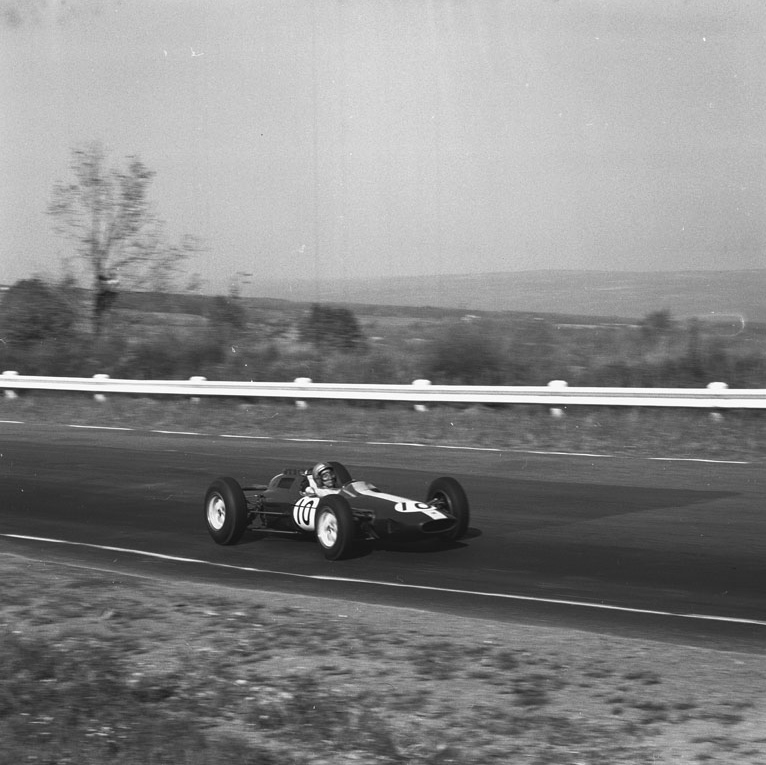
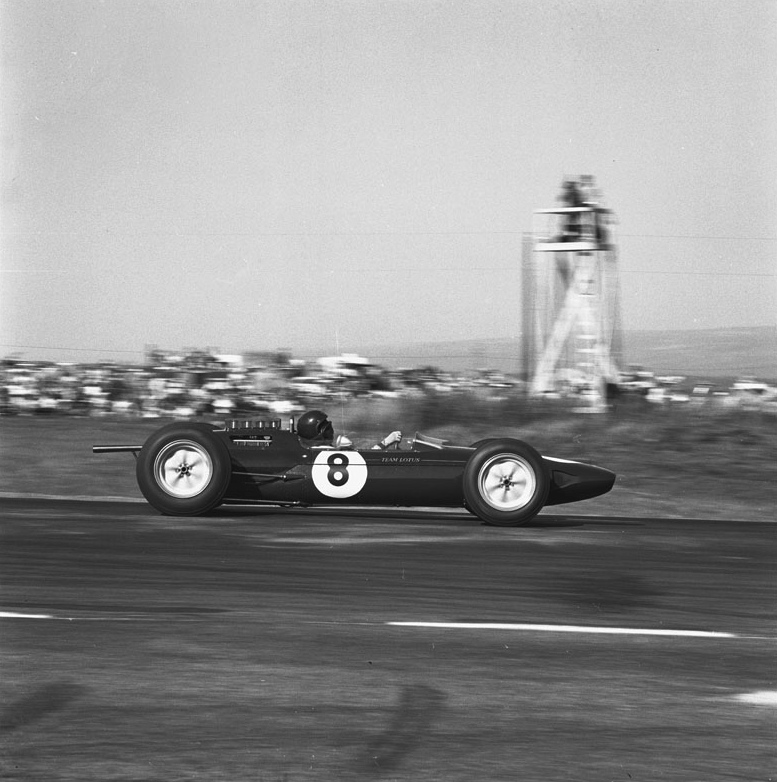
Captions, from top: Jim drifts the Lotus 25-Climax up through the Watkins Glen esses on his way to a fighting third place; less than a year after the loss of his brother, Ricardo, Pedro Rodriguez made his F1 debut at the Glen in a third works Lotus 25-Climax; classic pose: Jim displays the 25’s reclined driving position as he accelerates past an ABC TV tower Images: LAT Photographic 

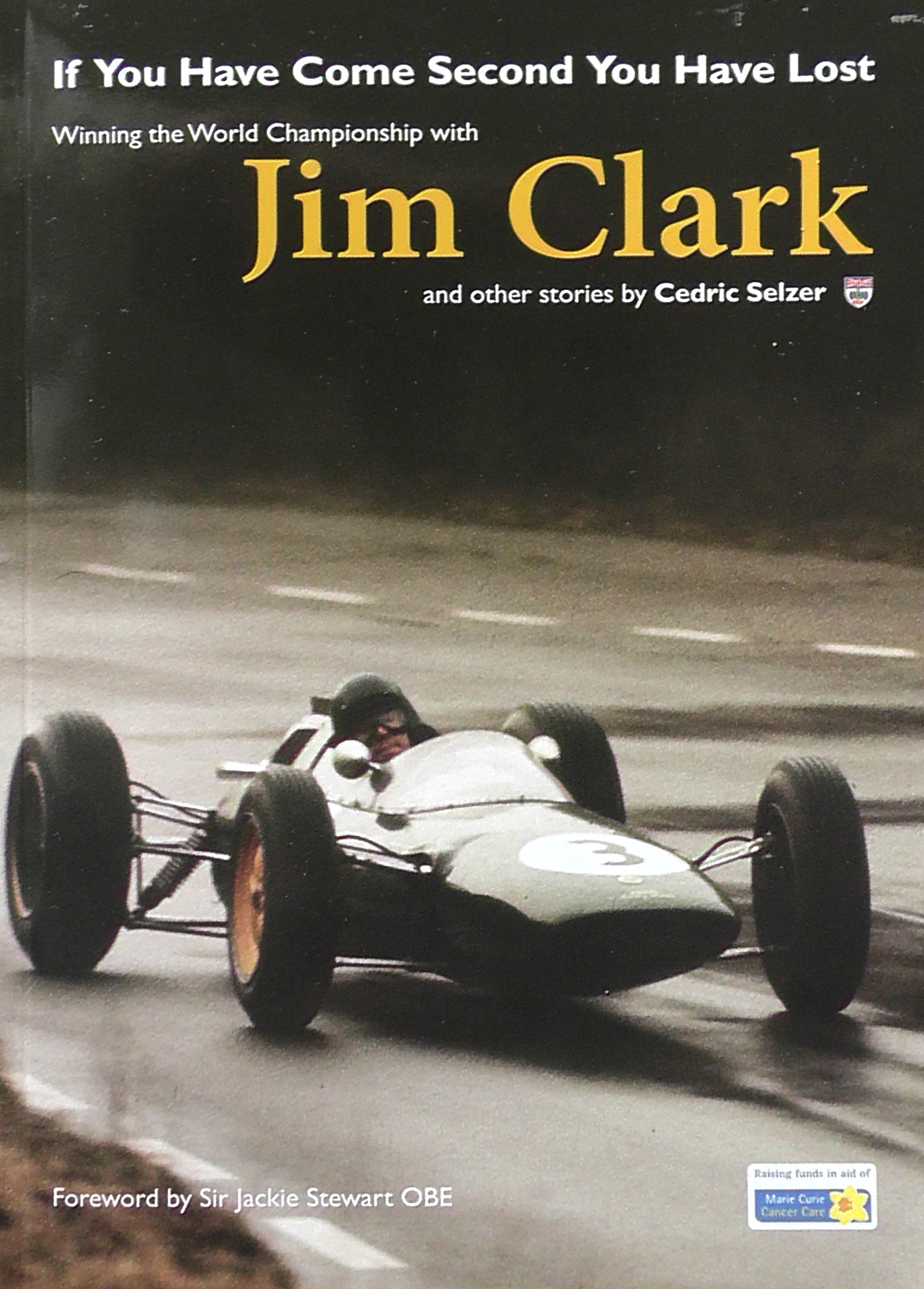
Buy Cedric Selzer’s wonderful new autobiography, published in aid of Marie Curie Cancer CareS2740001

Our lifeblood

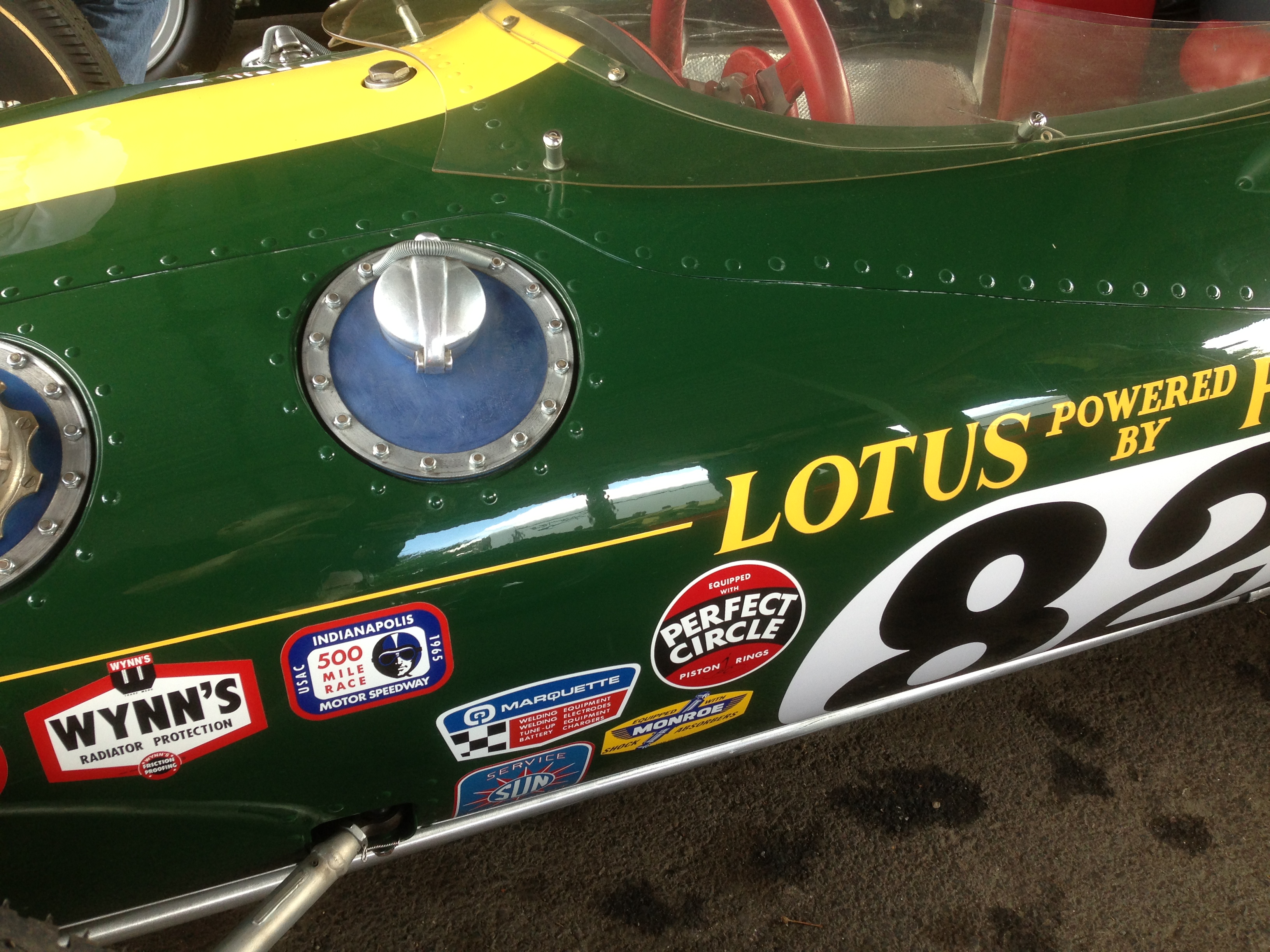
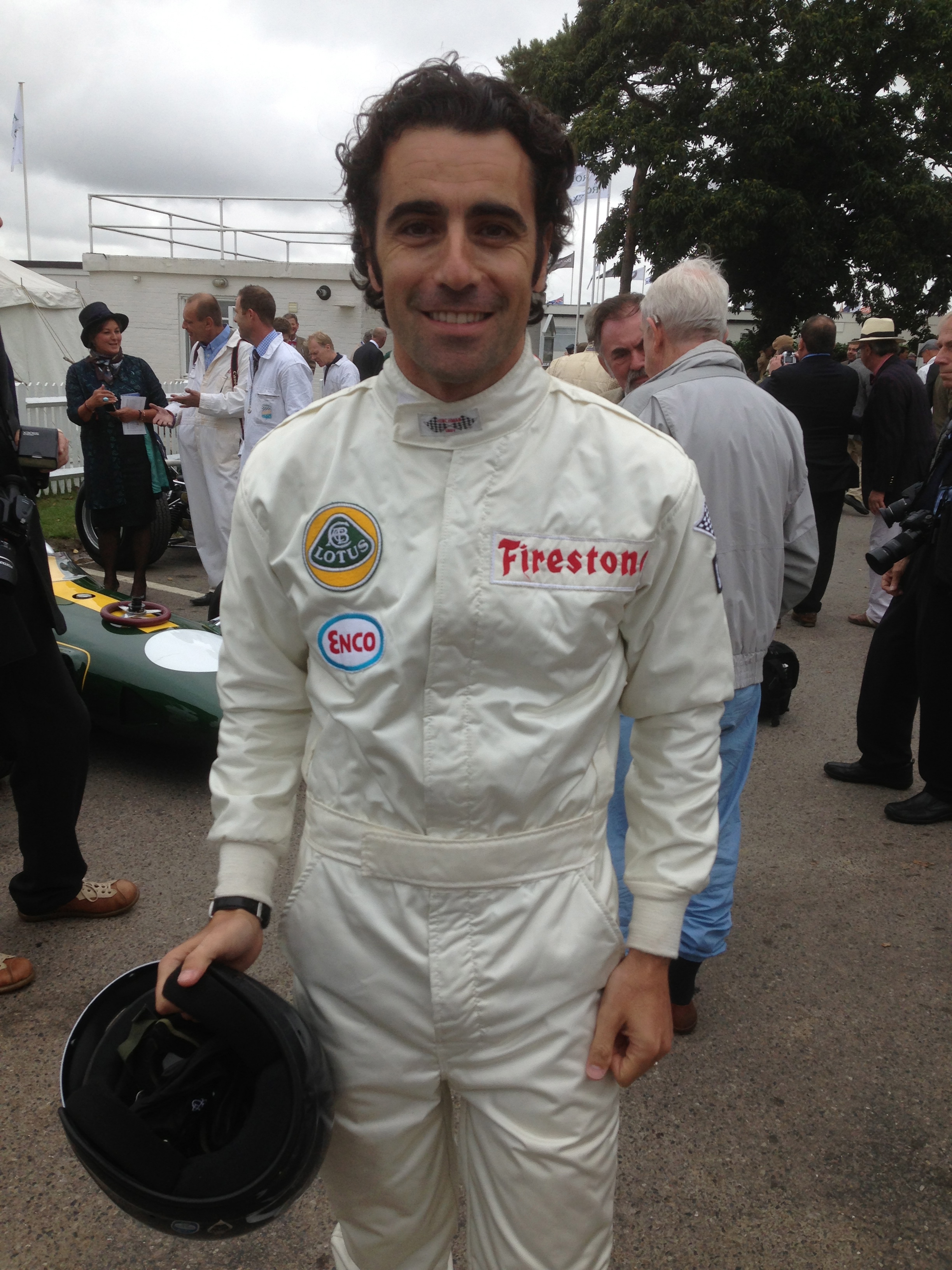
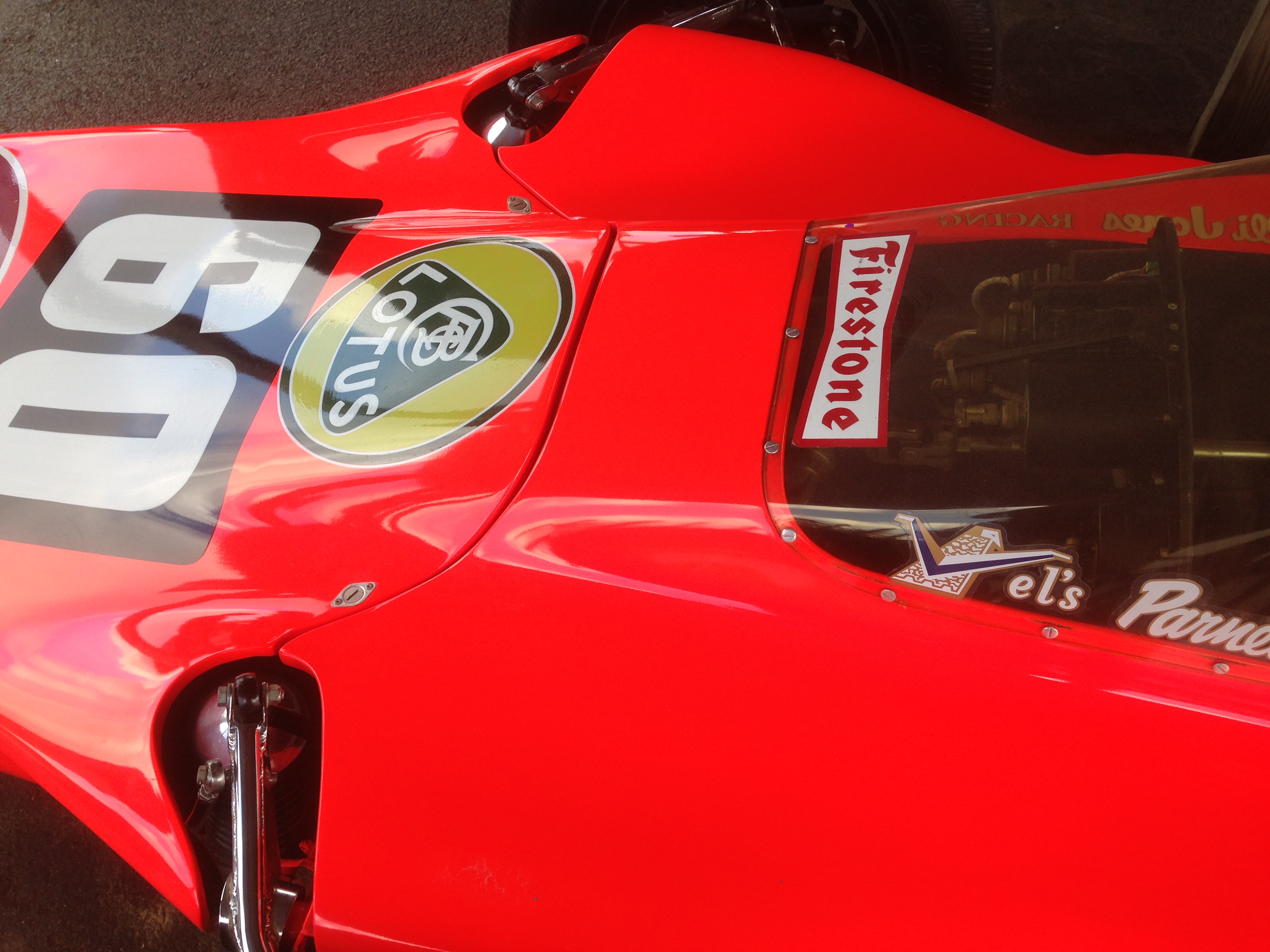
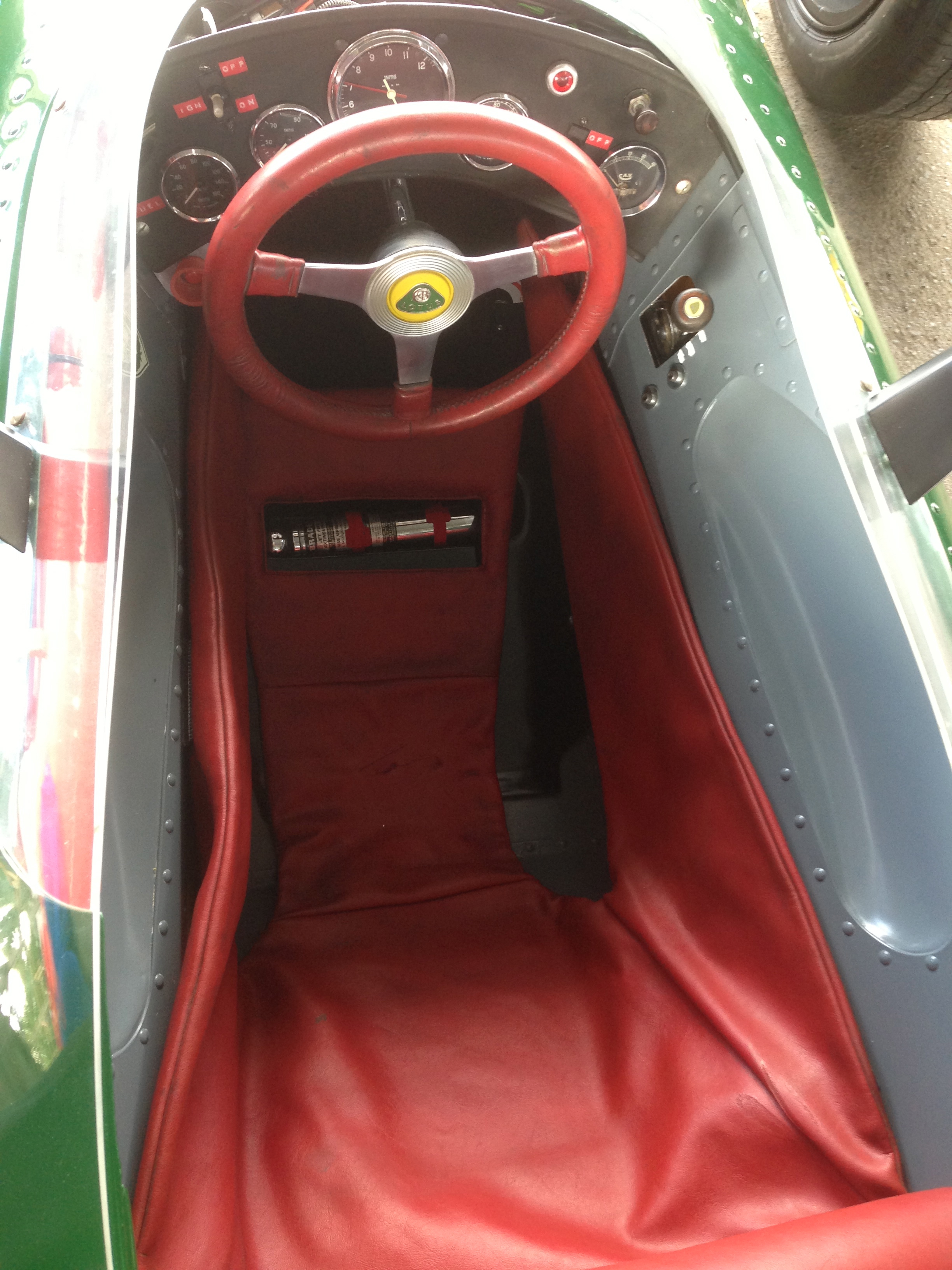
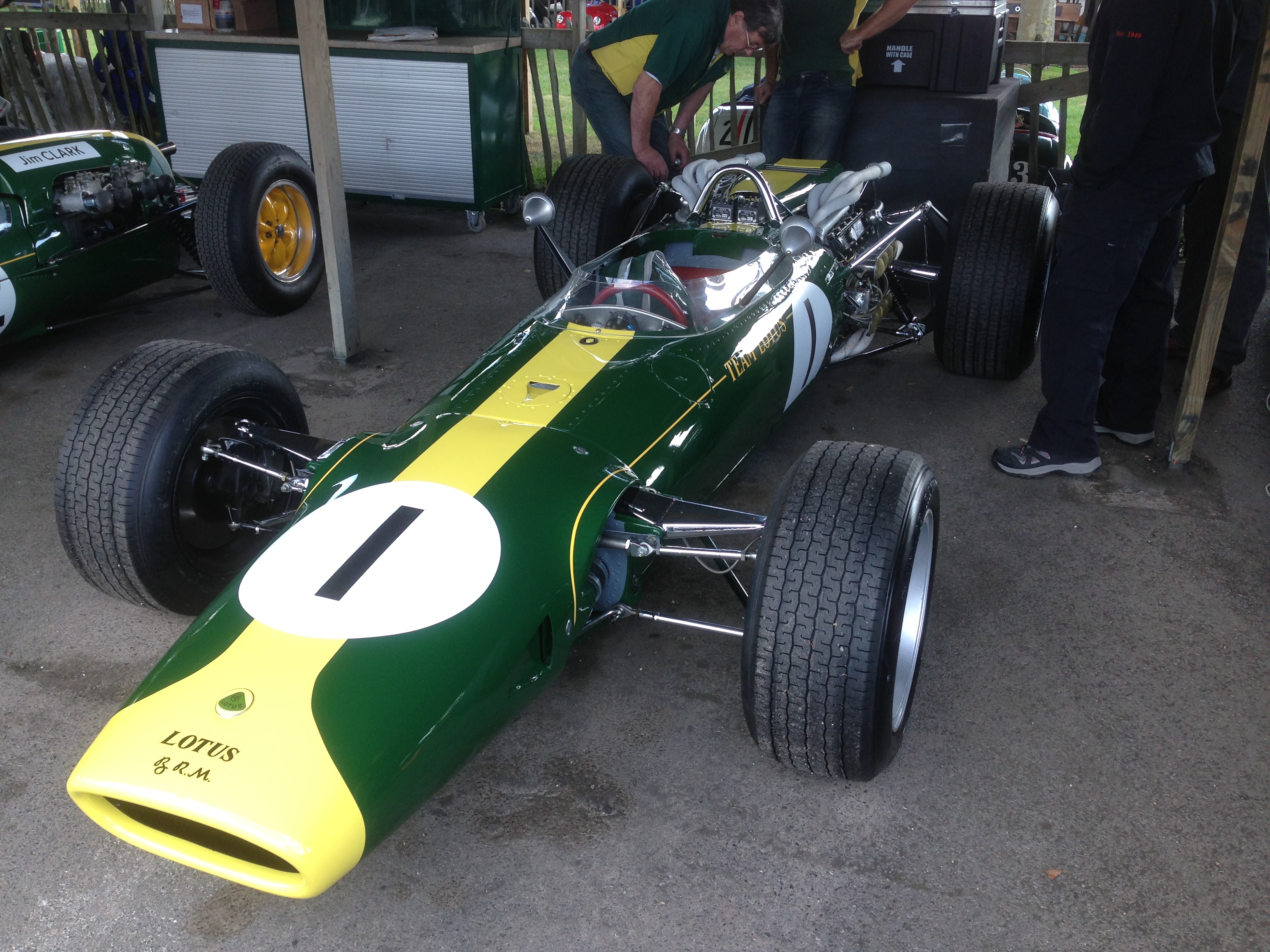
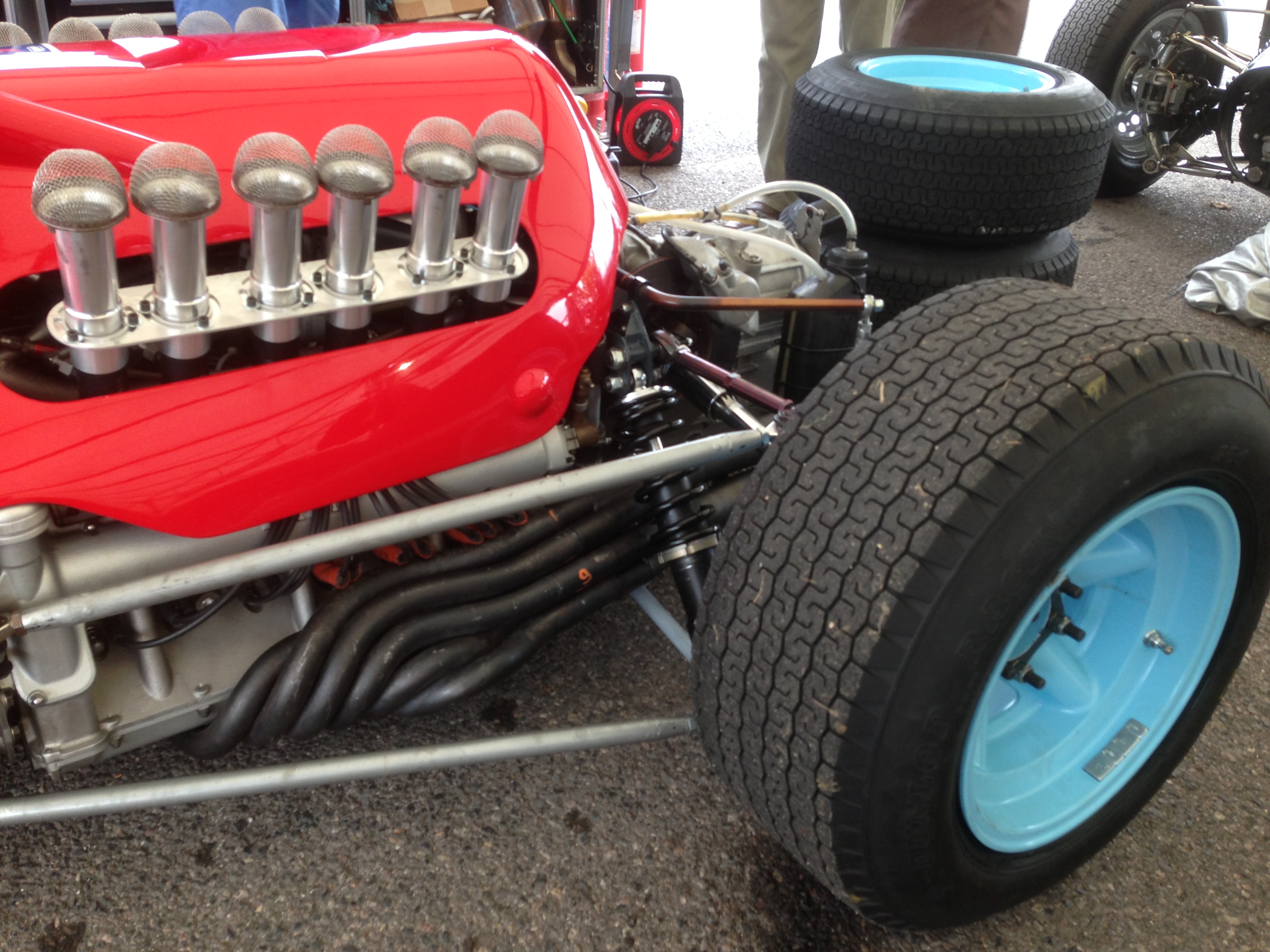
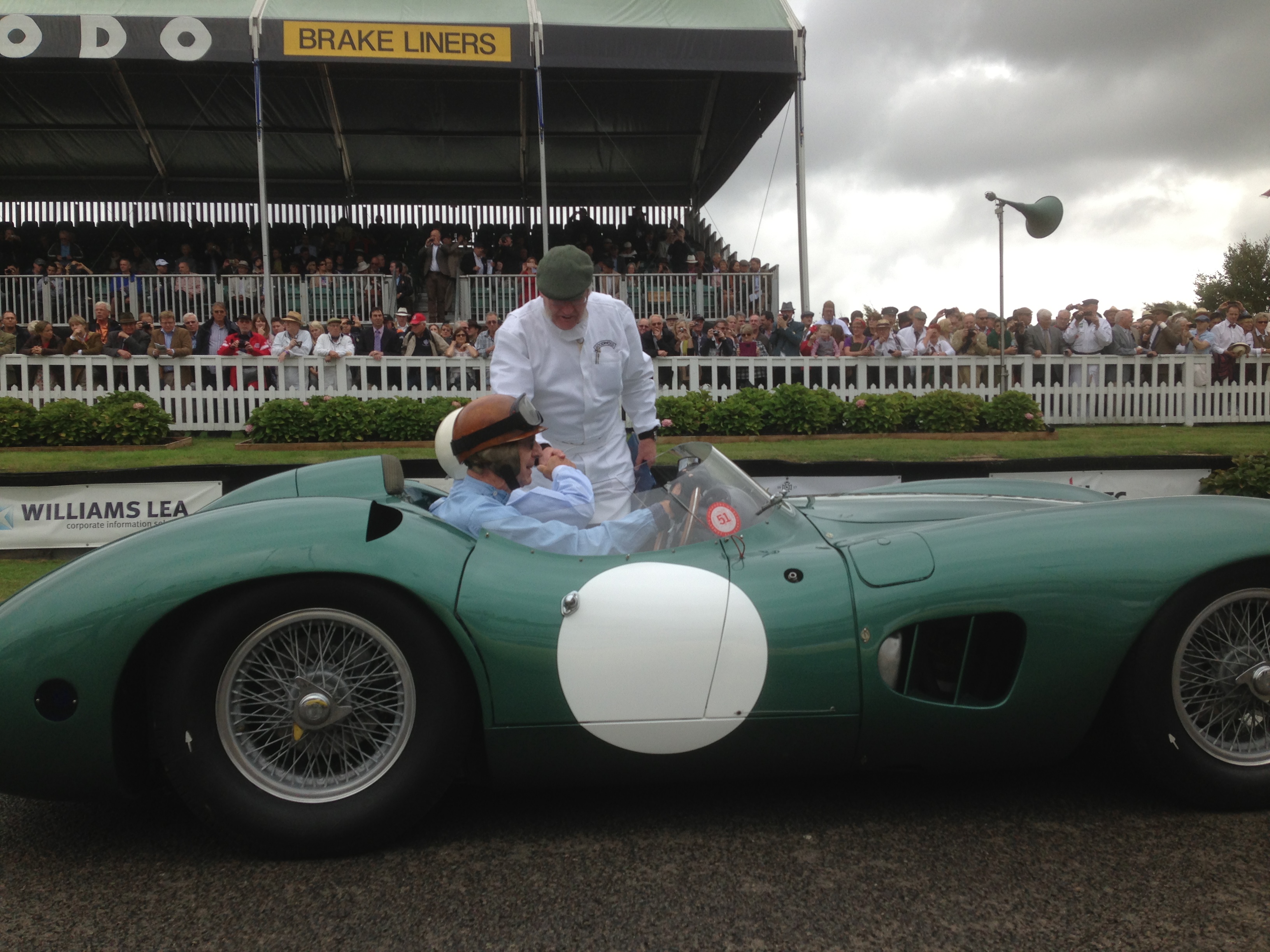
With all the travelling at present it’s taken a while to put together some of my memories from Goodwood, 2013.  In short, it was a magnificent event.  I don’t think we’re ever going to see as many Jim Clark cars  together again in one place.  To me, none of this represents “the past”.  Instead, it is our lifeblood;  it is what motor racing was, and still is, all aboutIMG_0666IMG_0808IMG_0671IMG_0675IMG_0673IMG_0734IMG_0751IMG_0763IMG_0788IMG_0748IMG_0856

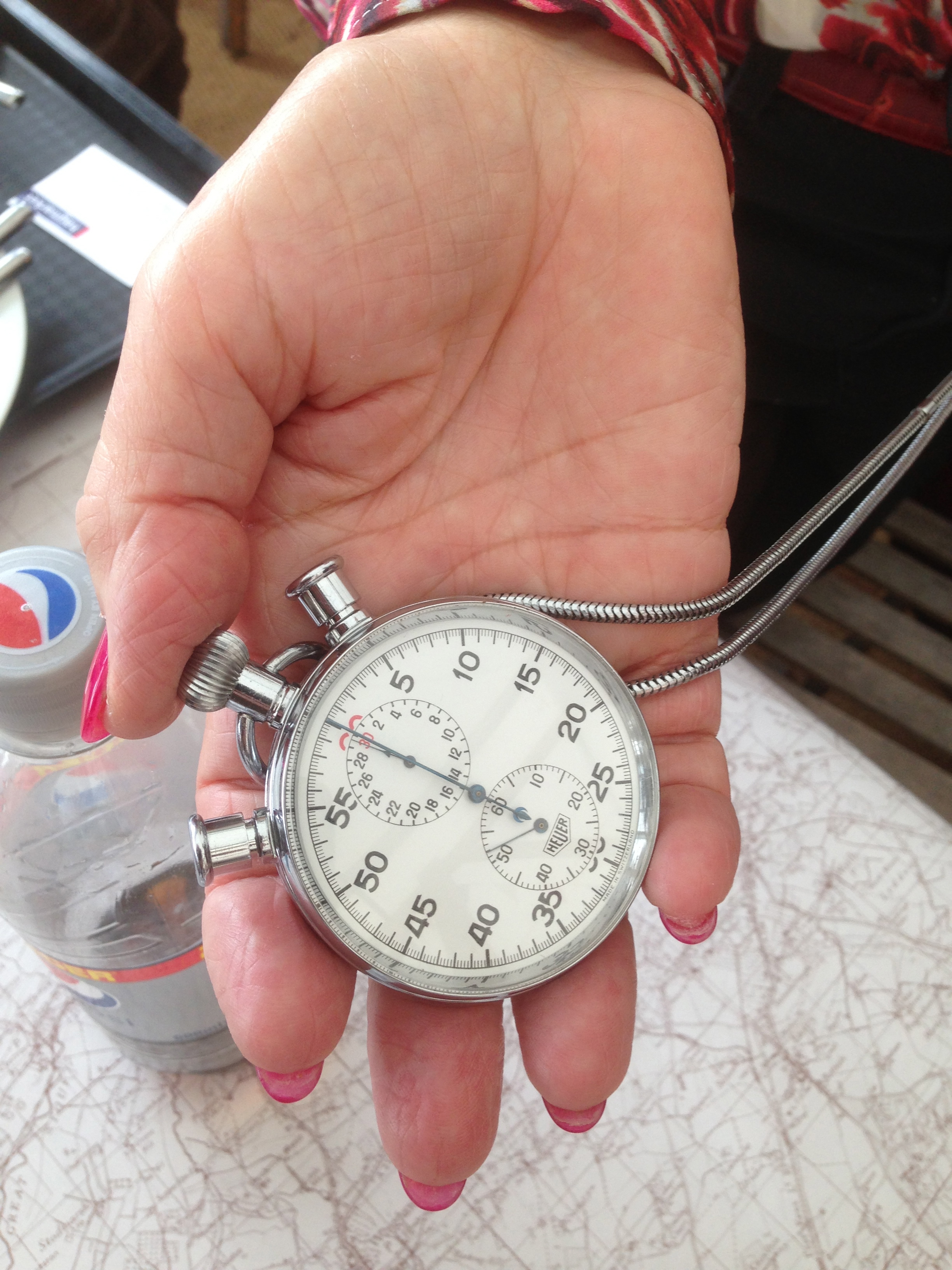
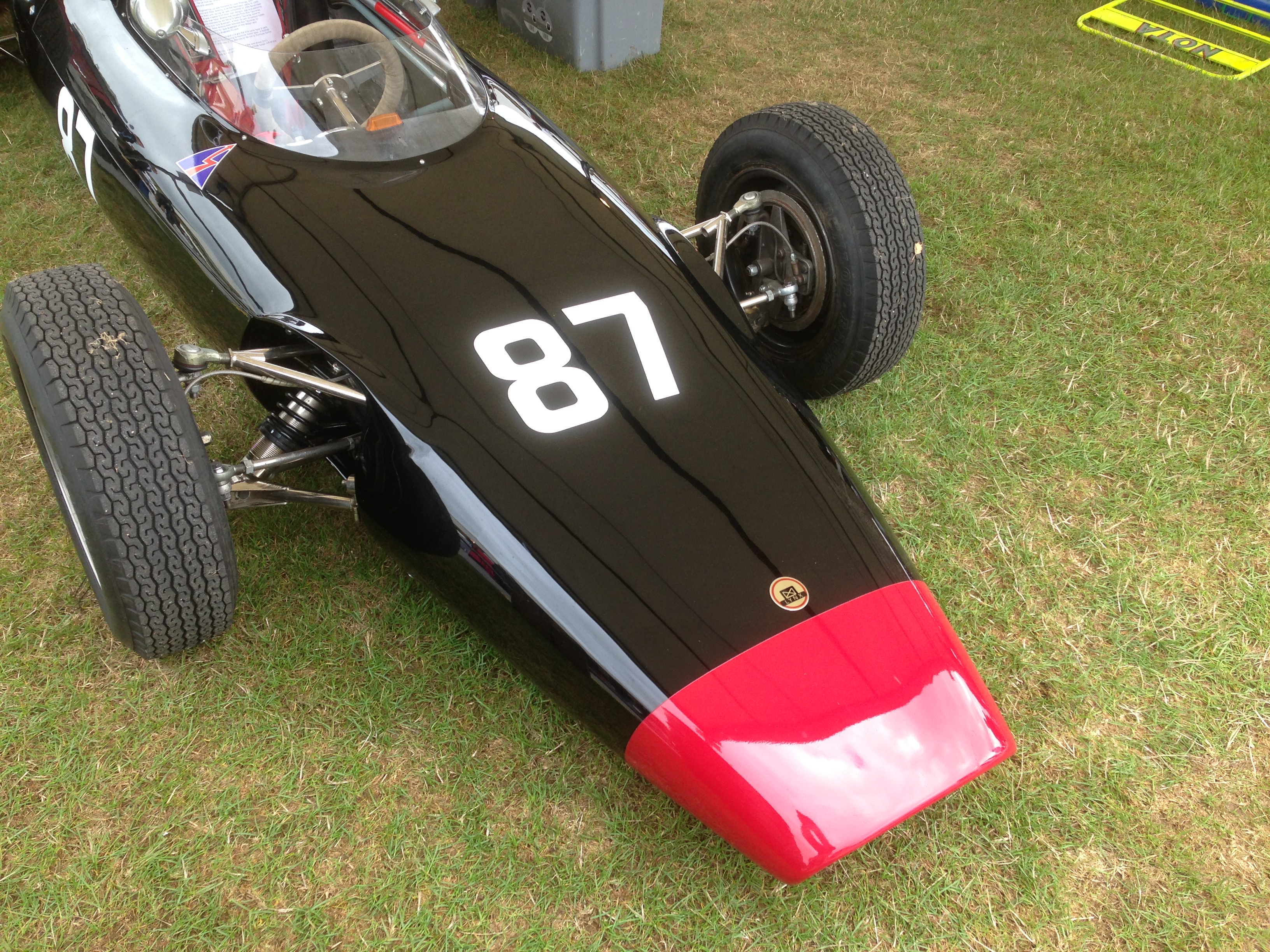
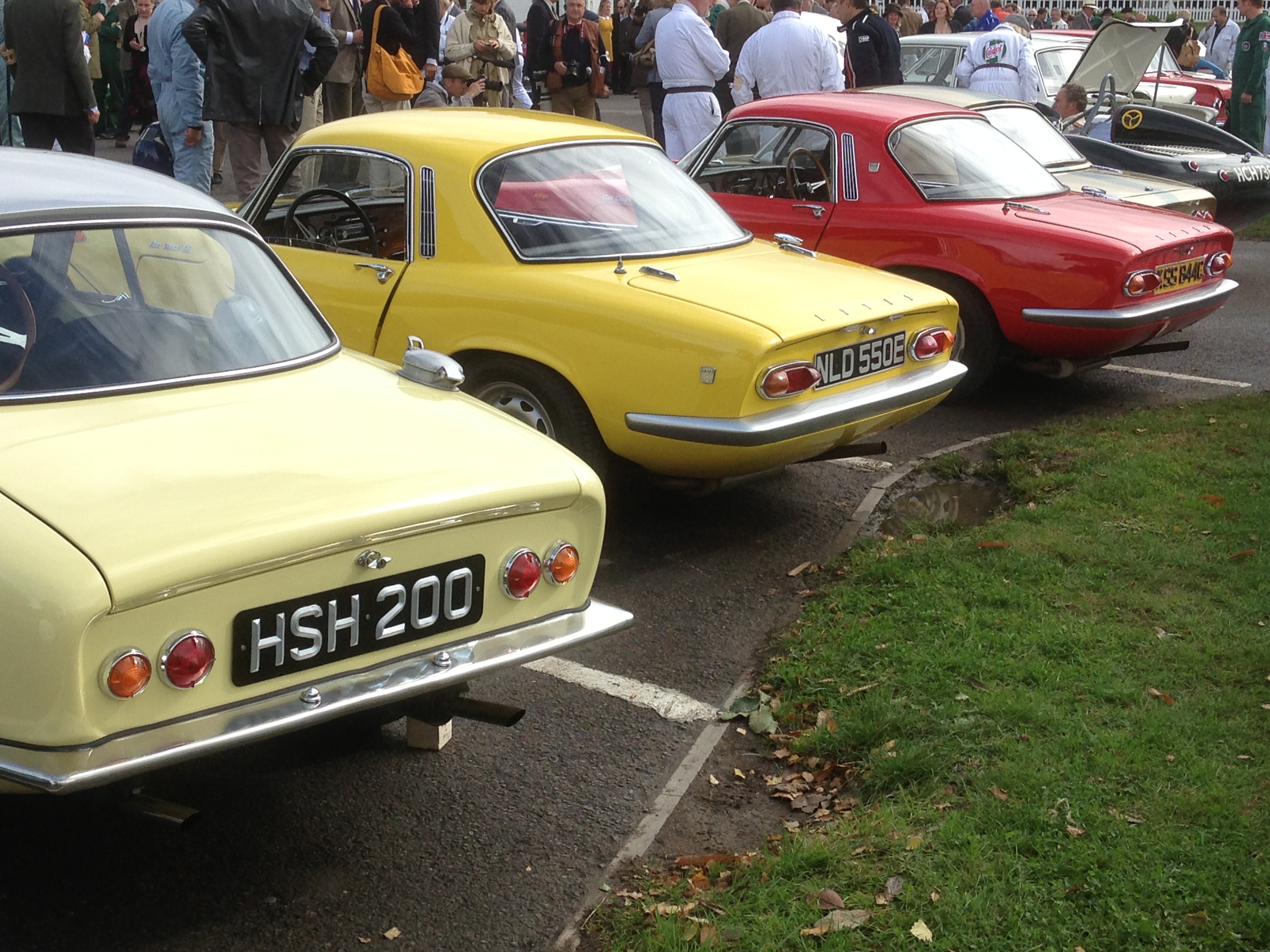
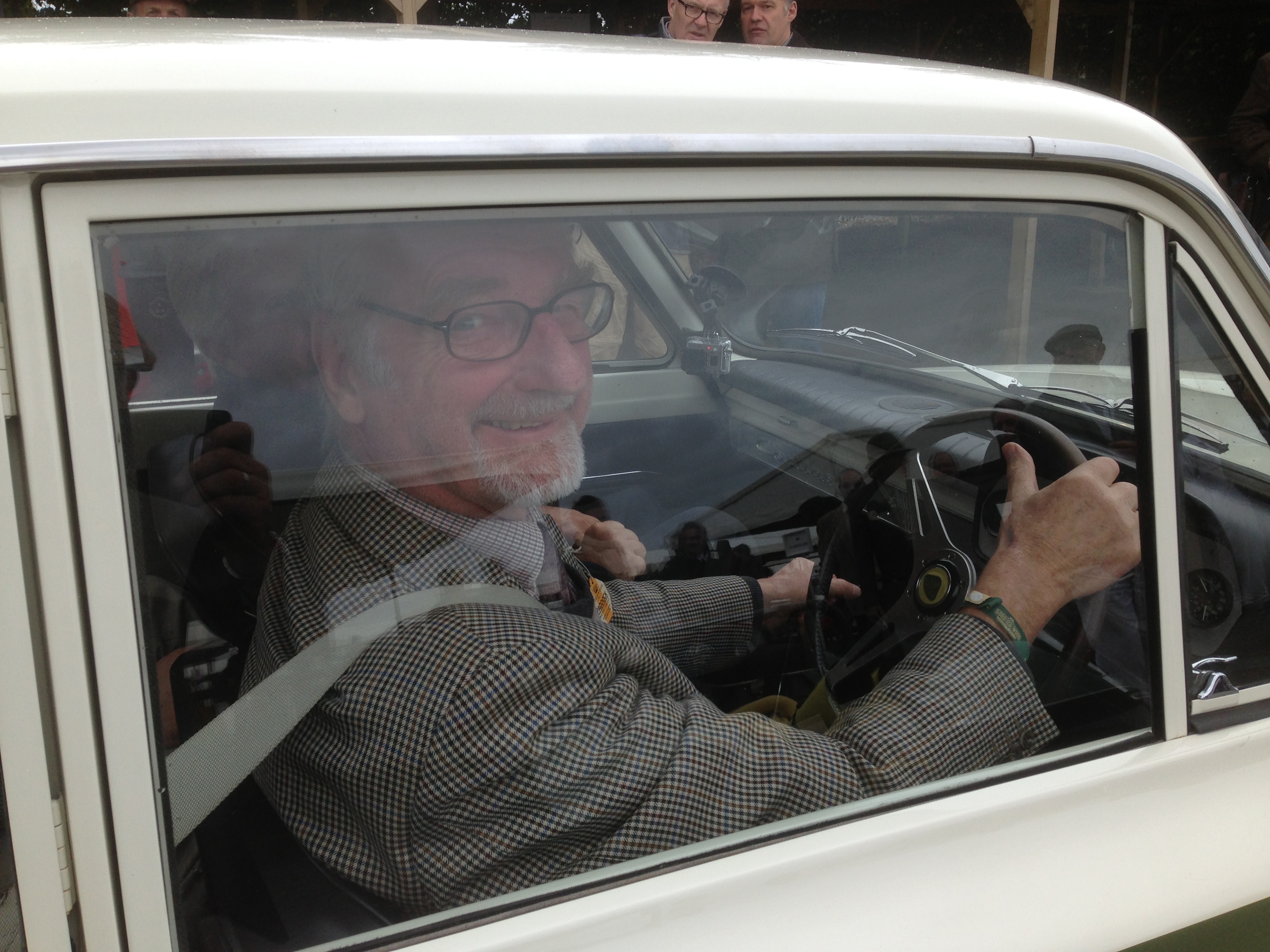
Captions, from top: One of the most significant racing cars of all time: Jim Clark’s 1965 Indy-winning Lotus 38-Ford.  Trucked over to the Ford Museum straight after the race, it has only recently been again fired-up and restored; wearing a new set of Hinchman overalls (complete with Enco badge), and of course Jim Clark driving gloves, Dario Franchitti took the 38 for a few laps of Goodwood; the Lotus 56 Turbine Indy car of 1968 – futuristic then, as now.  Jim tested the 56 after the Tasman Series and was looking forward to racing it in May; cockpit of Jim Clark’s 1966 US GP-winning Lotus 43-BRM. The car’s new owner, Andy Middlehurst, was aware that Jock Russell (who bought the car from Team Lotus in 1967) quickly discarded the original, red, upholstery and replaced it with a tartan job (!) but was delighted to find that the  the seat and interior that Jim had used at the Glen in ’66 were still in perfect condition in Jock’s barn.  They are in the car now;  the Lotus 43-BRM in its glory.  The amazingly complex 3-litre H16 engine started virtually first turn and ran perfectly at Goodwood;  a beautiful restoration job, too, on a 1.5 litre flat-12, 1965 Ferrari.  It would have been great to have seen this car in blue-and-white NART colours but someone at Ferrari (Maranello) demanded that it be painted red before heritage papers could be issued. Shame; grid-side view of Tony Brooks and Stirling Moss in the Border Reivers Aston DBR31/300 with which Jim Clark and Roy Salvadori finished third at Le Mans in 1960;  Jim’s girl-friend at the time, Sally Stokes (now Swart), holds the Heuer stopwatch that Jim gave her in early 1964.  Jim had been presented with this watch at the 1964 Geneva Motor Show and Sally used it on the Team Lotus pit stand throughout ’64-’65.  It still works perfectly; three road cars much-used by Jim Clark:  the 1961-’62 Hobbs-automatic-transmission Lotus Elite; his 1967 left-hand-drive Lotus Elan S3; and Ian Scott-Watson’s 1965 Elan S3, build by Jock McBain’s boys and used by Jim up in Scotland throughout that summer of ’65; it was brilliant to see again a 1963 Australian-made Lynx Formula Junior (left). To my eye, this is still one of the most beautiful little racing cars ever built; and it’s always a special treat to see real drivers in real cars.  Here’s Sir John Whitmore in a factory Lotus Cortina. Images: Peter Windsor Collection


Another one for Seb?

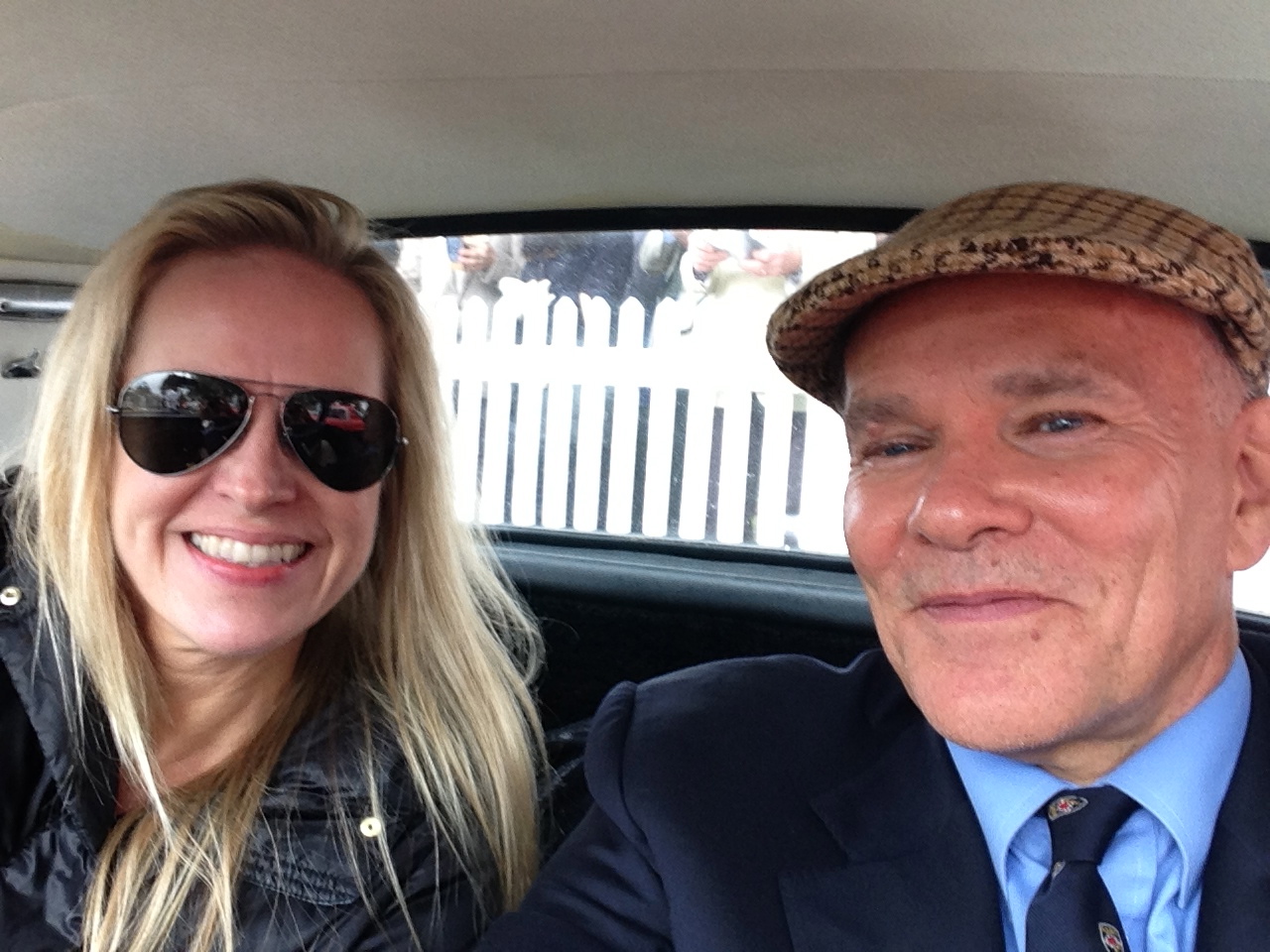
In this week’s edition of The Racer’s Edge I had a lot of fun with some of my favourite people, namely the supremely-talented World Series by Renault Championship leader, Kevin Magnussen; Sweden’s F3 maestro, Felix Rosenqvist; my mate Rob Wilson; and Ant Rowlinson, Editor of F1 Racing.   You’ll know Kevin and Felix from previous shows – and I make no excuse for inviting them on again.  If these guys aren’t serious racing drivers, and future F1 winners, then I’m a soccer-loving couch potato who only likes motor racing when there’s lots of overtaking.  Calm, quiet exteriors belie the razor-sharp minds of both of them. I caught up with Rob as he drove to a speaking engagement in Derbyshire and the conversation took the usual turns:  drivers he’s been training recently, the passing of George Bignotti, the mystique that is Michael Schumacher, the closing of Mallory Park.  You know, the usual things.  And Mr Rowlinson, speaking on what he said was a new, ultra-fast internet link (!), did a very nice job of taking us through the latest edition of his mag.  You’ll love his background story to Fernando Alonso’s “selfie” – a word I learnt only recently (from Sharon Swart, the very attractive and intelligent daughter of Ed and Sally Swart – Sally as in Sally “Jim Clark” Stokes).  Sharon is an accomplished film producer, based in California, you might be interested to know.   Anyway, she encouraged me to take some “selfies” when we drove Jim’s Elan around Goodwood recently and this was the result.IMG_0812  Fernando, for his part, certainly did the job with Lorenzo’s iPhone in Monza.   Anyway, this being the build-up to the – wait for it – Korean Grand Prix, I asked a couple of our guests what they thought about F1 at present – about Seb Vettel’s domination.  The answers, I think, you’ll find amusing.

Post Navigation