peterwindsor.com

…chance doesn't exist; there's always a cause and a reason for everything – Elahi

Archive for the category “Days Past”

Albi ’67: just another F2 race…

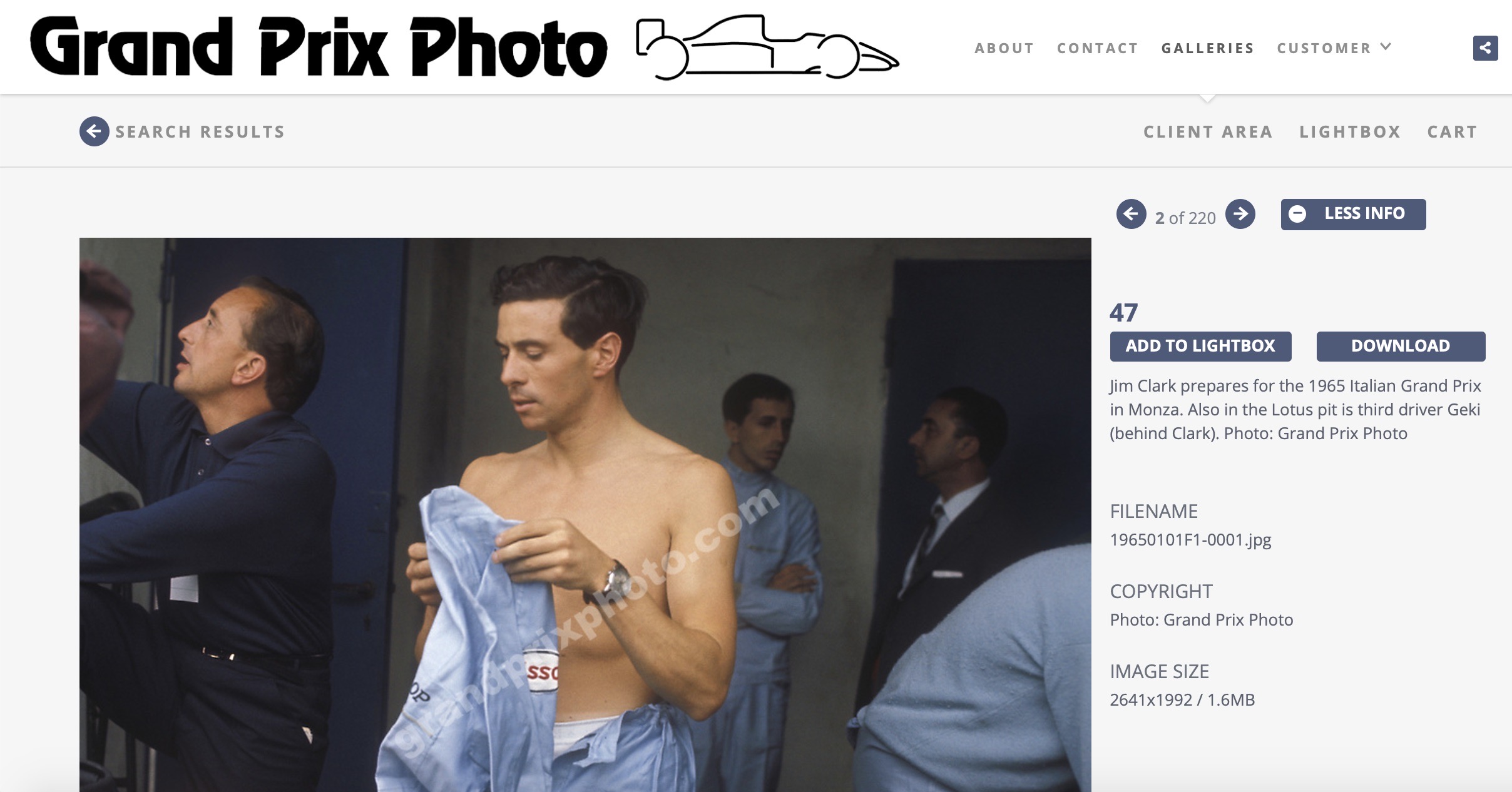
Thanks to the excellent Richard Wiseman, I was recently able to sit back, relax and enjoy the 1967 Albi F2 race in its entirety.  And I mean entirety.  The French TV coverage begins with Jim Clark and Jochen Rindt chatting pre-race, takes in the complete drivers’ briefing (translated in situ by Jabby Crombac, the co-promoter) and then takes us through every lap of the race.  I’ve always been interested in the Albi event for the simple reason that it took place only two weeks after the Italian GP that year – and that Jim Clark’s drive at Monza unquestionably rates as one of his greatest.   If you want a modern parallel, it would be Sebastian Vettel racing an FIA F2 car at, say, Paul Ricard ten days after his drive up to third place in the this year’s Abu Dhabi Grand Prix.  I always wondered whether the whole thing would have been anti-climactic for Jim or whether Monza would have been quickly confined to history when Albi loomed fresh and clear.

As it happens, Jim appears to be usual, brilliant self throughout the race coverage. He jokes in the pre-race assembly area with Jack Brabham:  “C’mon Jack, we’re not at Monza now”;  and he wanders down to chat to Piers Courage and Jean-Pierre Beltoise.  Again he’s all smiles.  And then he drives beautifully, of course. Quickest in practice on Friday but unable to improve his time on Saturday, he starts second in his Team Lotus 48.  His biggest handicap, obviously, are his Firestones: Jackie Stewart, in Ken Tyrrell’s Dunlop R7-shod Matra is in a class of his own and wins easily from the pole. On the grid, Stewart is the only driver I could see who needed to strapped into his cockpit (just shoulder and lap belts;  no crutch strap). All the others just slid into their bolides and went racing.  No belts.

Jim never gives up. He is lying third behind Jochen Rindt’s Winkelmann Brabham BT23C when he loses the twitchy, green-and-yellow 48 early in the race and narrowly misses a concrete wall; he then tigers through the field to regain third place at the finish. After races and weekends like this, no wonder that Hockenheim, 1968, would for Jim be just another F2 race…

We see the start procedure of the legendary “Toto” Roche in all its slapstick. He warns the drivers beforehand that he will drop the flag any time after the five-second board – and this he does, with semi-chaotic results. I think it’s Graham Hill, in the other works Lotus 48, who almost gives Toto an aerial view of the proceedings.

Impressive is the early-lap pace of the English privateer, Robin Widdows;  and glorious is the pass that takes Jackie Stewart into the lead from Jochen Rindt. Stewart, Rindt, Clark and Brabham:  the large French crowd, luxuriating in late-summer sunshine, saw race driving at its highest level.  Were any of those Names afraid or ashamed of being beaten by lesser names in a relatively minor F2 race?  Not at all.  They just wanted to go motor racing.  It was what they did.

I mentioned all this to Brian Redman the other day.  Brian finished a typically-classy sixth at Albi (behind Stewart, Rindt, Clark, Jacky Ickx in the second Tyrrell Matra, and Chris Irwin in John Surtees’ Lola) and thus underlined all the promise that would land him an F1 drive for 1968. Brian actually had to qualify his maroon David Bridges Lola for Albi – and did so comfortably, of course, lapping only a shade slower than Ickx and matching Piers in the John Coombs McLaren M4A.

This was Brian’s reply:
Hello Peter, 
 
Plans went wrong at the beginning of ’67, when told father I was going racing, he wished me luck – and said: if it doesn’t work out, sorry, but you can’t come back! One week later, David Bridges rang and said: “sorry Spud, but we can’t get that new Brabham, or them Cosworth FVAs” ! So we started with an old Brabham and a bored and stroked Cosworth SCA that David had lying around. Surtees came to us later and offered to sell a new Lola T100 – with two FVAs ……things went somewhat better after that! Best race was Crystal Palace F2, 1968, just before Cooper accident. Pole position and 2nd to Rindt in race.
 
Talking of Albi F2 in 1967, Chris Irwin asked if I’d like to fly back with him to the UK. Beautiful flight across La Belle France. Now, over the English Channel, low cloud, couldn’t see your hand in front of your face.

Feeling nervous, asked Chris if he was trained for instrument navigation: “err, actually, no….but I know how it works”. Even more nervous.The ‘plane is moving around quite a bit, just as Chris finished talking – the engine stopped! Never before or since, have I felt my heart give such a mighty leap! Frantic examination of the instruments, showed it had run out of fuel! Even more frantic twisting and pulling of things, the wing-tip tanks are turned on – and the engine starts again!
 
Phew!
 
Brian.
I see that another couple of DVDs have just arrived in the post –  Monaco, 1963 and the Le Mans F2 race, 1966.
‘Scuse me, while I disappear…


Never forgotten…

I was very touched by this short piece published in Facebook by Margherita Bandini, widow of Lorenzo, on December 21:

Lorenzo

Today, your birthday, you would have been 77 years old and so much time has passed since you left us in that tragic fire in Monte Carlo. I am convinced that there is an afterlife and therefore you’ll see here on our Facebook page many friends and admirers who were not even born when you left us – those who remember you with great affection, admiration and esteem. Many people have written beautiful things about you – for example the person who wrote: “At the time you left I was nine years old;  this was the first great sorrow of my life.”

See the legacy you have left behind? Lorenzo, you told me once that you felt you were born unlucky. Of course you were right, with the benefit of hindsight, but in your 31 years you became a great man with your modesty, your determination and your enthusiasm for a sport you loved more than anything in the world; and you have left for us an indelible memory.

I would not of speak of bad luck, therefore. I’m still here, aged 74. I have known the great loves of two wonderful men – you and our son. I’ve known great pain and great joy, but above all thanks to both of you.

Margherita

08-26-2010_42


Why Sir Frank is Sir Frank…

At the House of Lords reception for Sir Frank Williams on November 28 plenty of people paid fitting tribute the great man.  He is “passionate” about his chosen profession.  He is “a true ambassador” of British motor sport.  “His dedication knows no bounds”.

All true.  Very true.

What do those words really mean, however?  What is their context?  What lies behind them?

I thought the following extract from a February, 1971, edition of Autosport might add a little texture to today’s image of Sir Frank Williams.  It is the Formula 2 Temporada series in South America (Bogota, Colombia, to be precise).  F1 drivers like Graham Hill, Henri Pescarolo and Jo Siffert are competing.  And everyone, as ever, is right on the limit….

“For some, the four clear days between races provided time to relax,” wrote Paul Watson.  “but for others there had been little time for enjoyment.  Immediately following the first Colombian GP, Frank Williams had hot-footed it back to England, carrying with him the two March chassis as hand baggage (!) and with an order list from other drivers as long as your arm.

“Williams, who has a reputation for getting things done smartly, was on March’s doorstep by Tuesday morning and back on a plane for Bogota by Wednesday so that he arrived back in Colombia by Thursday night, much to Derek Bell’s astonishment!  The two March chassis had been repaired and strengthened where they were broken, this being where the front of the monocoque joins the bulkhead.  As the Bogota series was very much a  development programme for Williams, he had fitted aluminium braces to the top and bottom of Pescarolo’s bulkhead while Bell’s had been left without, to find out whether any permanent additional strength will be needed for future races.

“Williams took with him orders for a great many other spares and these were supposed to be sent in time for practice on Feb 12.  However, as is often the case when freight has to change planes, it got lost, so that all the spares Natalie Goodwin had been waiting for to repair Cyd Williams’ car never arrived.  Neither did Jurg Dubler’s gearbox parts, the Eifelland tyres and a number of other items.  However the Kyalami-spec 4000 ft fuel metering units did arrive in Frank Williams’ pocket and these were duly distributed to Stommelen, Hannelore Werner and Brian Cullen, all of whom had suffered fluffy engines in the previous race due to the use of standard, sea-level cams.  It had been hoped to build up some special 8000ft cams at Felday Engineering, but Mac Daghorn just hadn’t had enough time to get this done…”

For the record, Frank’s two March 712Ms qualified third (Stommelen) and ninth (Bell) and finished second and third in the race (in that order).

Just another weekend in the life of the racer that is Sir Frank.

S1720012

When F1 first came to Texas…


…it took over the entire city of Dallas.  It was a street race.  It was hot – very hot.  And the city said “F1” wherever you went.

It was different this year in Austin.  The circuit is out of town.  You sat in a coffee shop near the University of Texas and the world of F1 was about as far away as rainy day in Woking.

That’s not how it was in Dallas ’84.  Maybe it was because Lorimar’s Dallas had never been more omnipresent.  The whole world talked about it – not as a “soap”, as it is glibly described today, but as a skillfully-enacted drama that was about as close to reality as anyone had ever dared to step.  That’s how F1 people felt about it, anyway.  And the people of Dallas embraced their amazing new F1 race, for it was everything that their show was too:  it was about money, power, ego, politics, sex… and it was played out in a world within a world.   The poignancy of Larry Hagman’s recent passing should not have been lost on anyone who was at Texas F1 (Season Two) a few weeks ago. Austin didn’t feature much in the Dallas storylines, but the spirit of ’84 was there if you looked for it at the Circuit of the Americas.

Here are a few snapshots, then, of the days when Dallas met Formula One. Fun days. Amazing days.

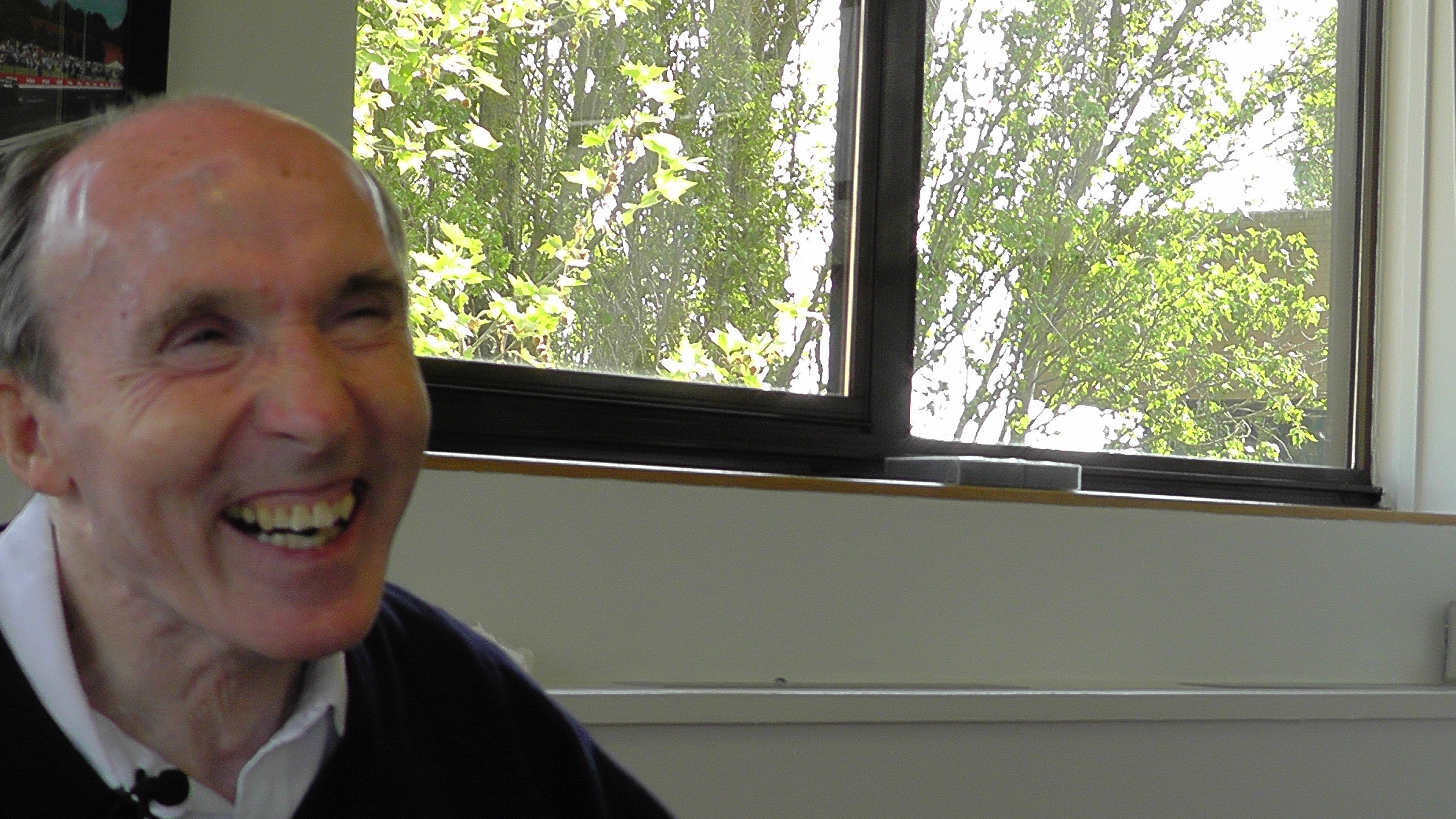
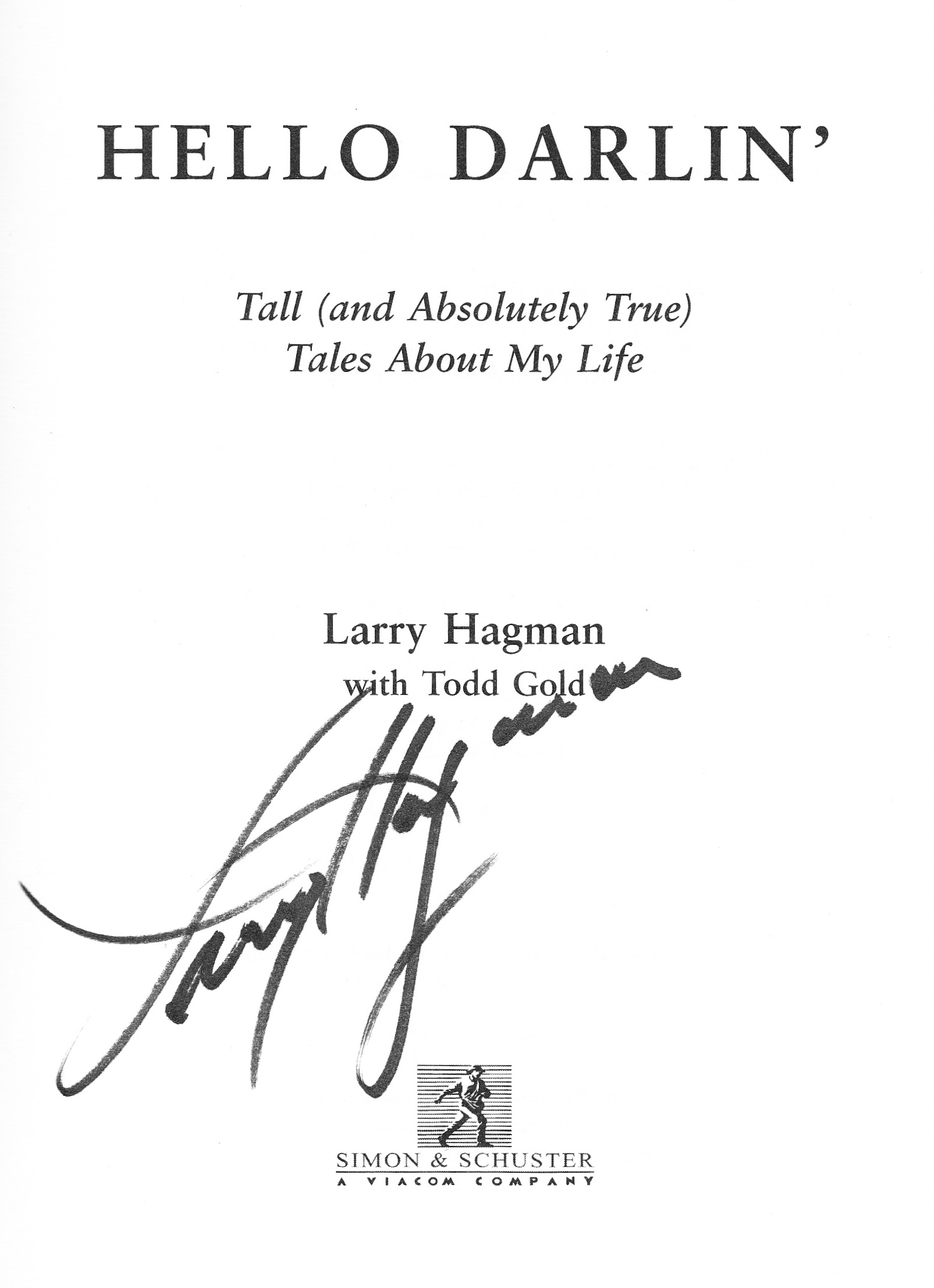
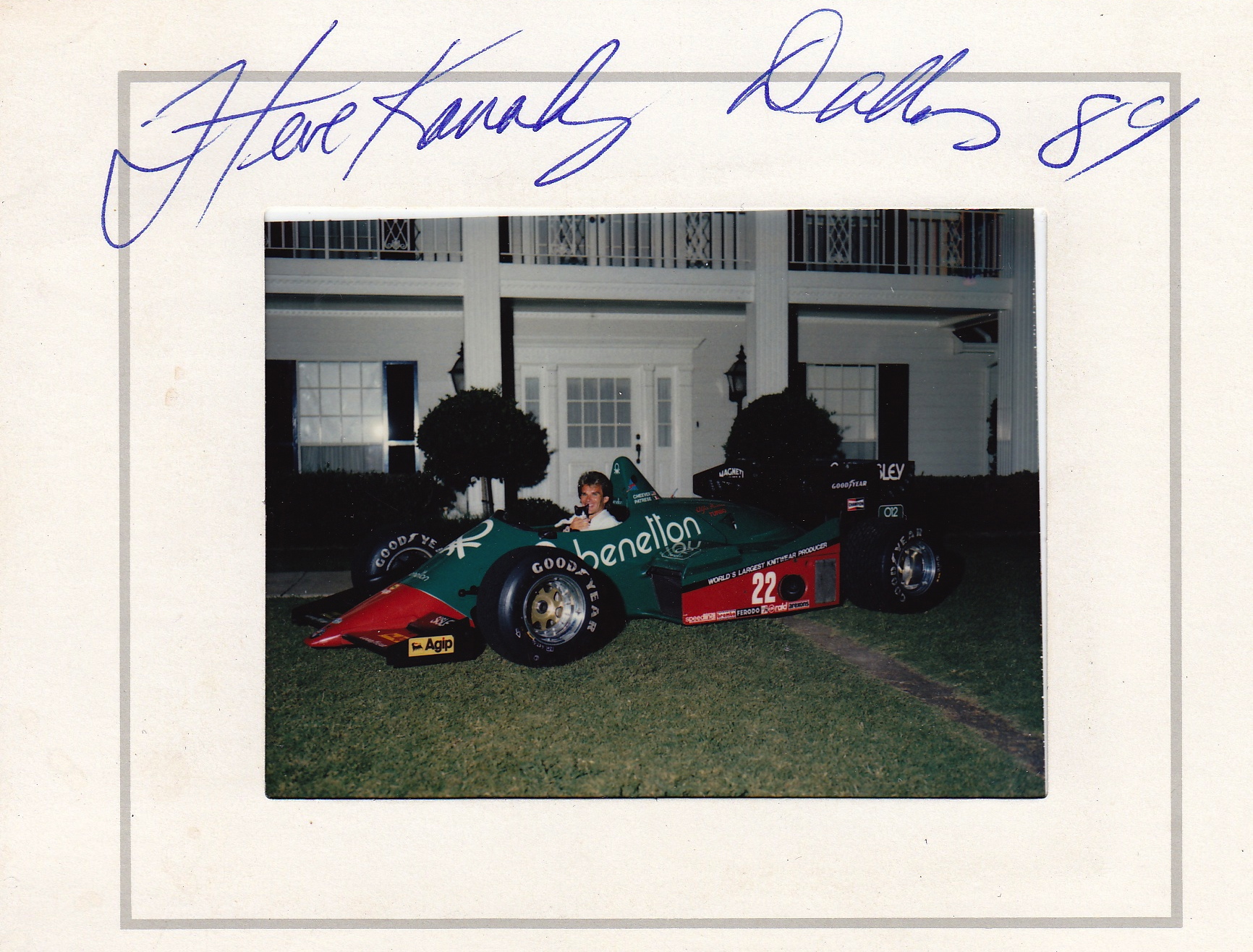
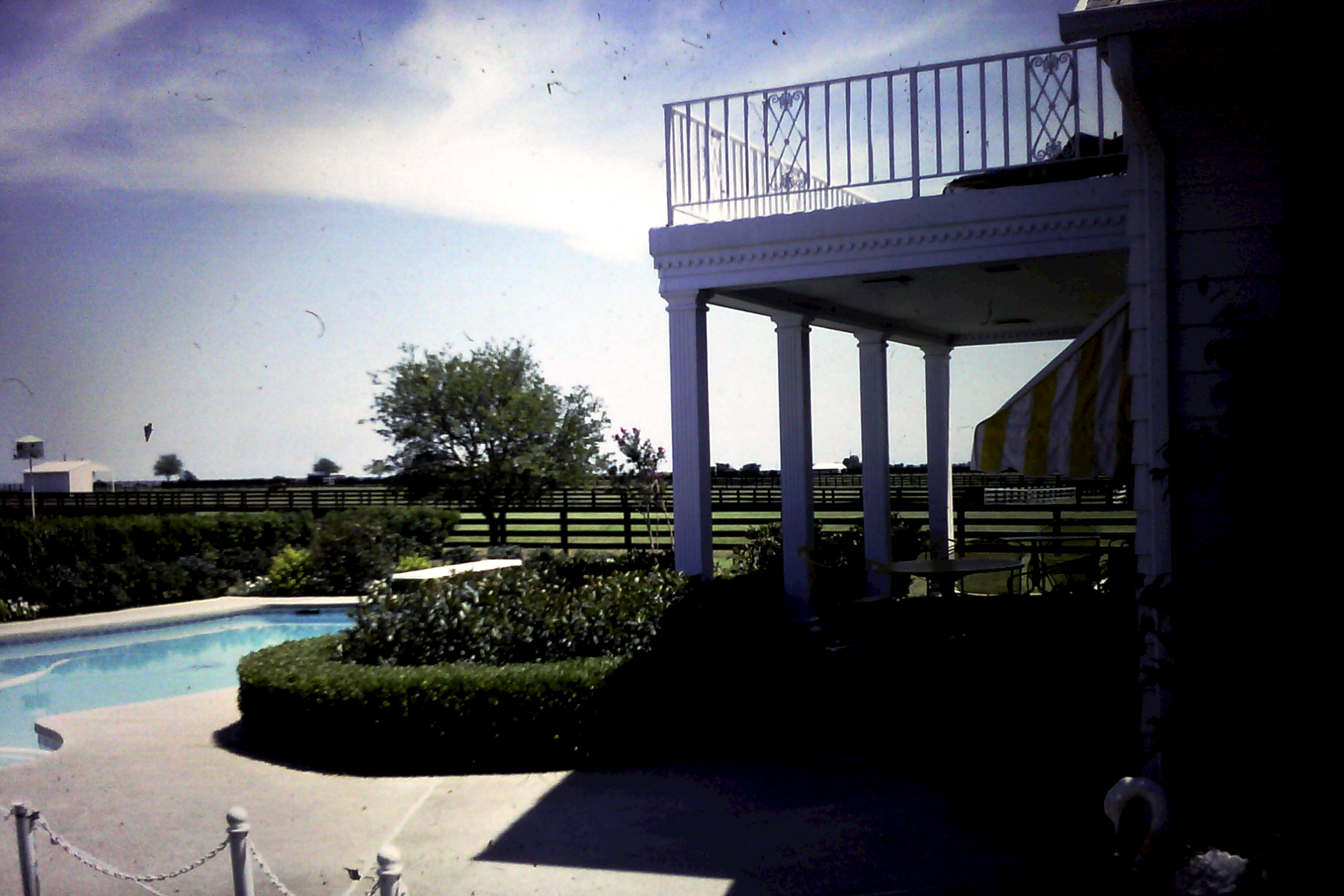
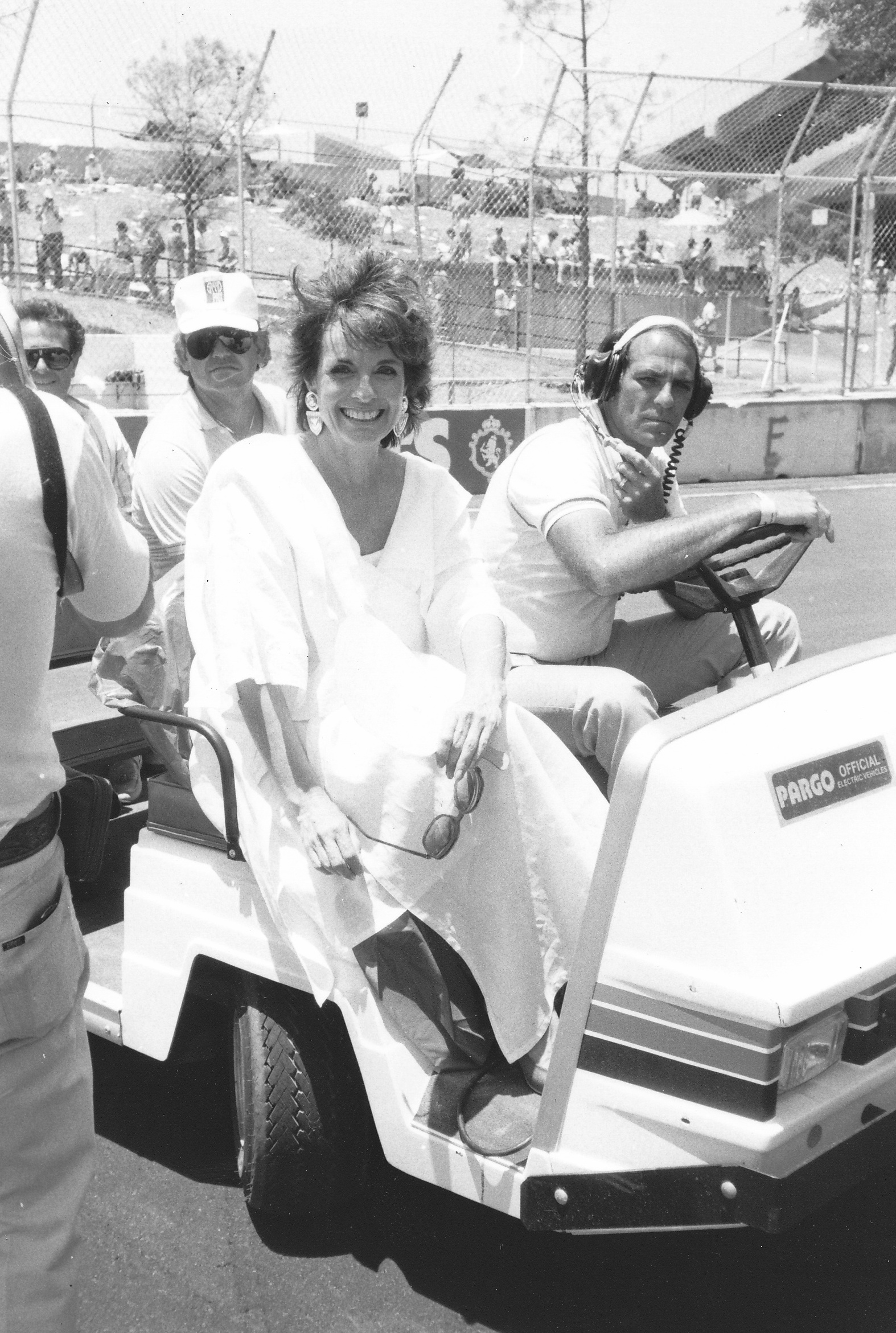
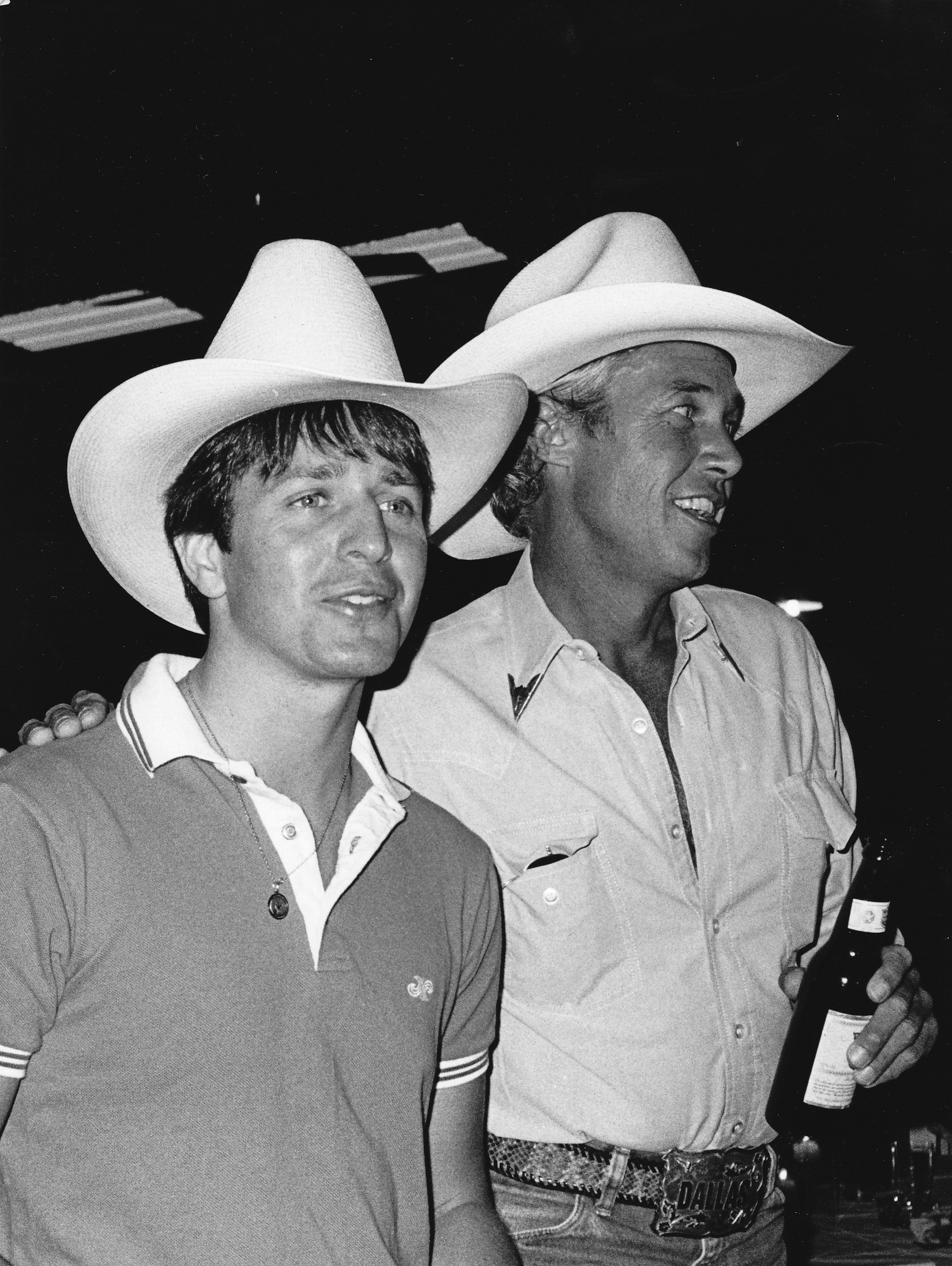
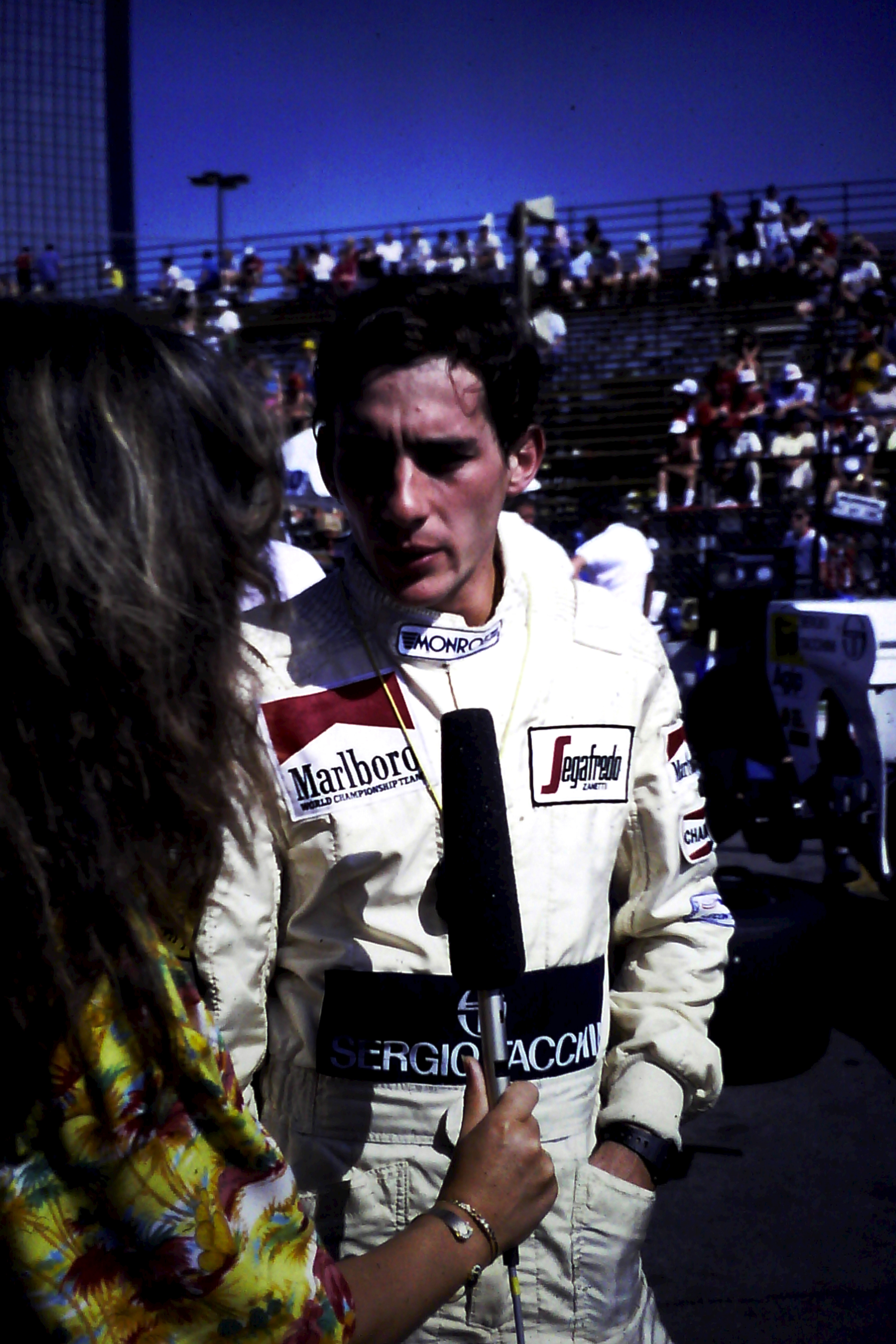
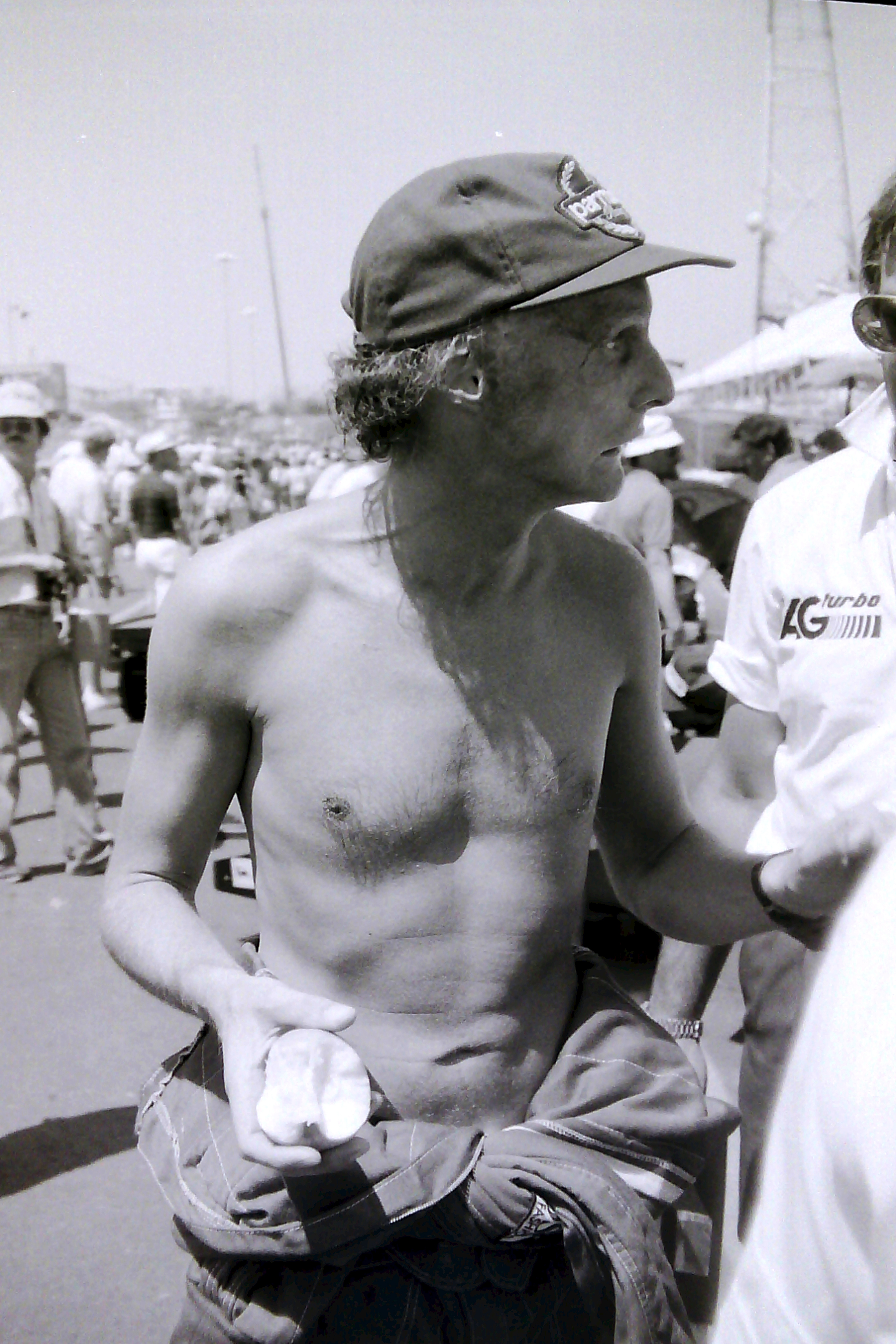
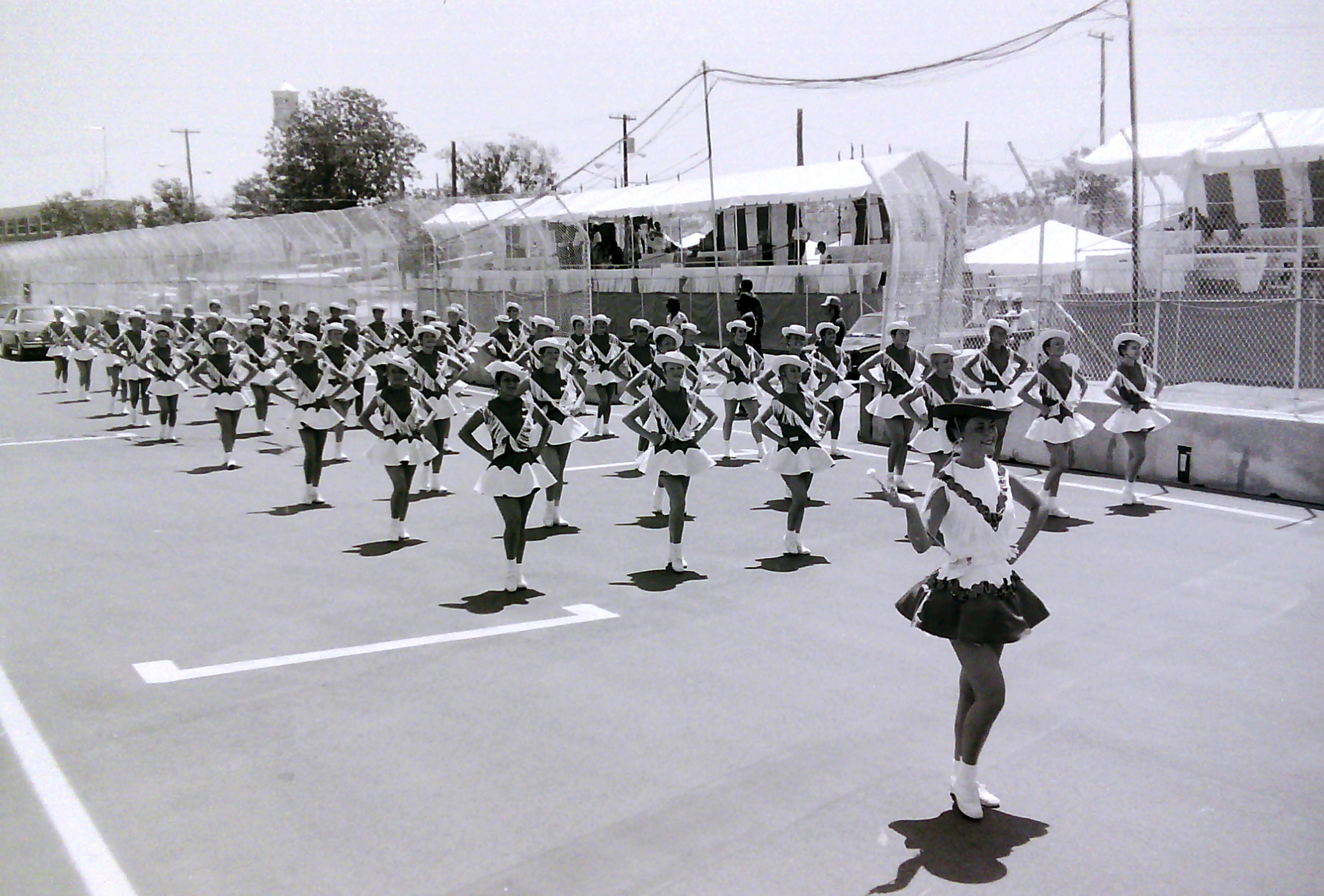
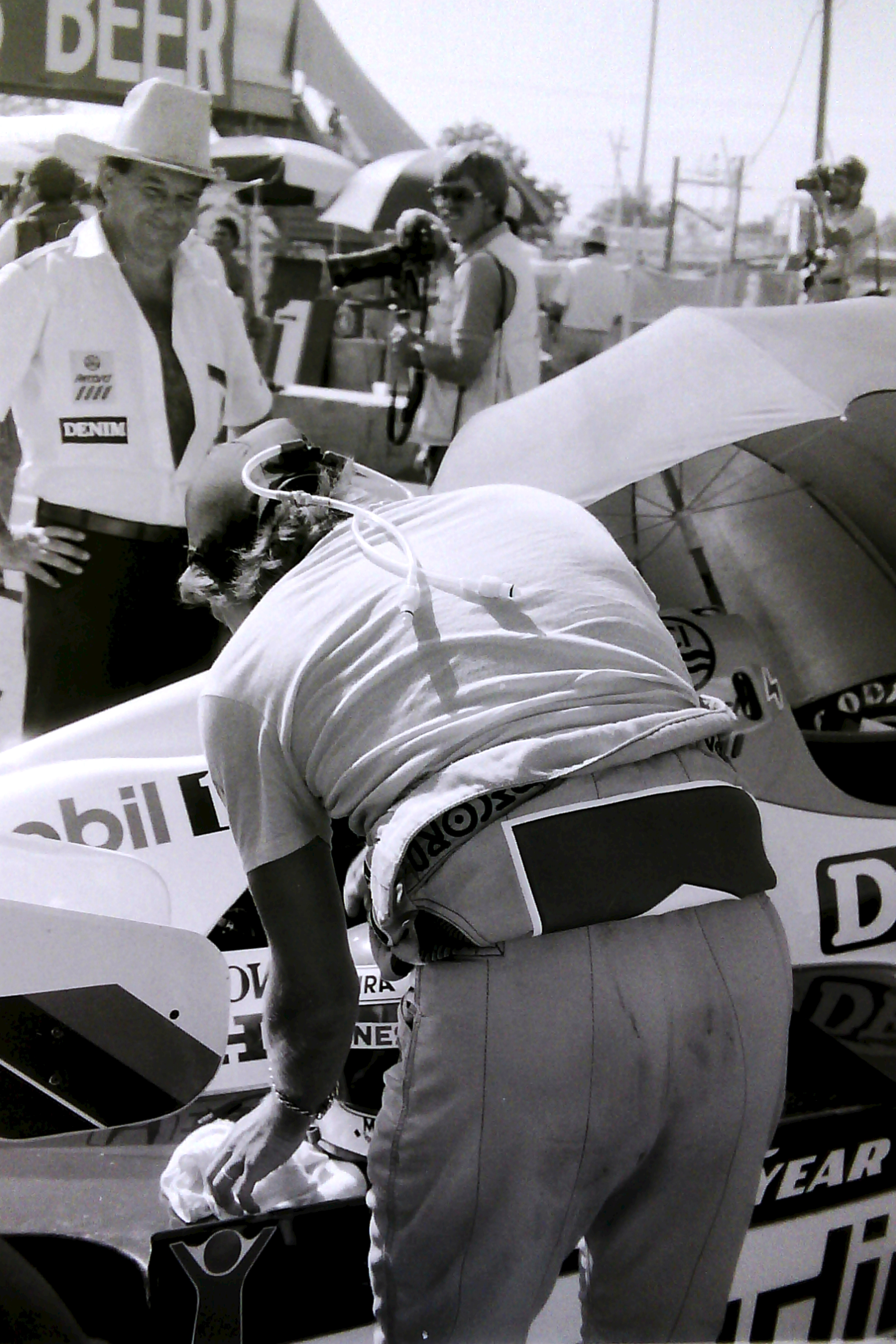
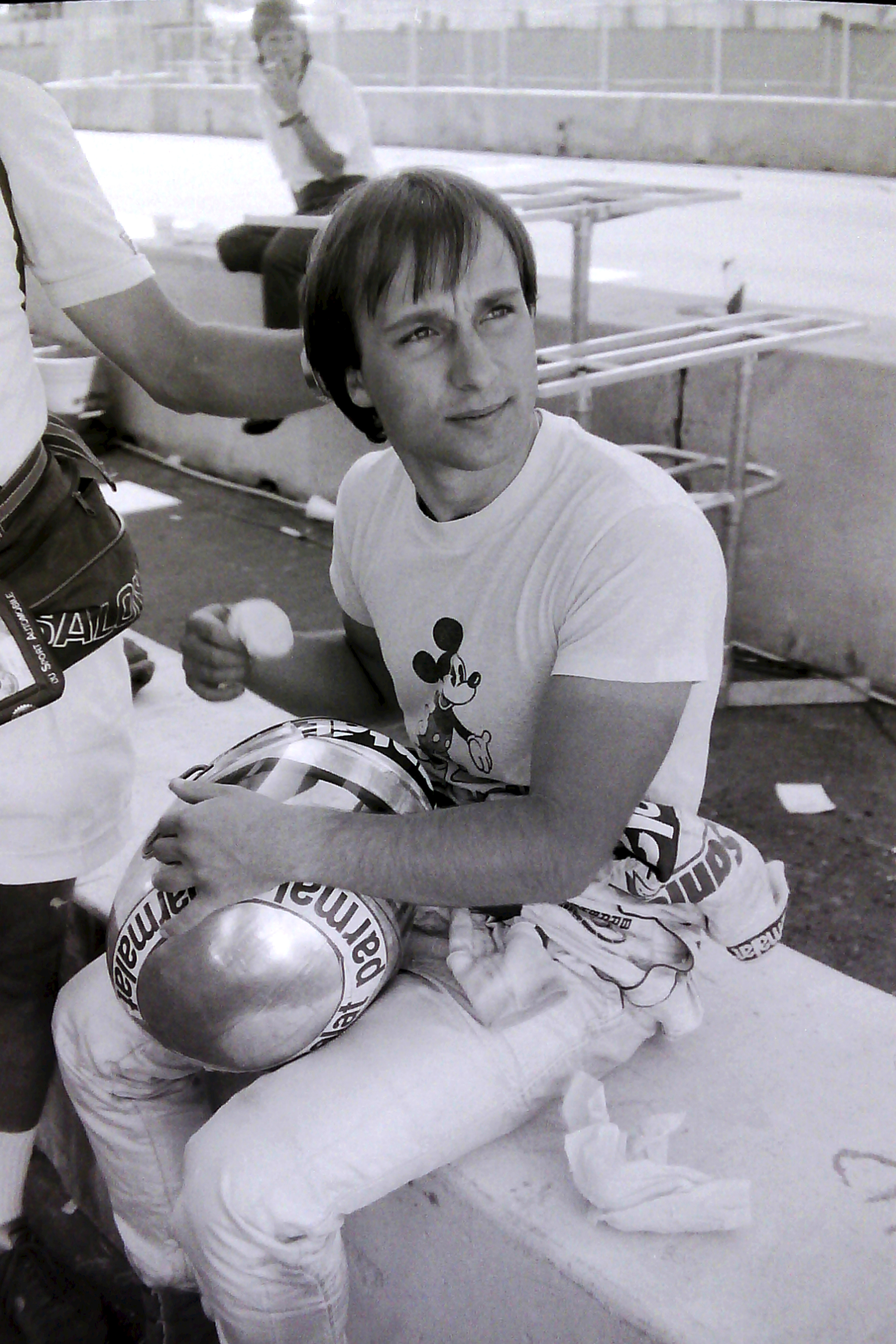
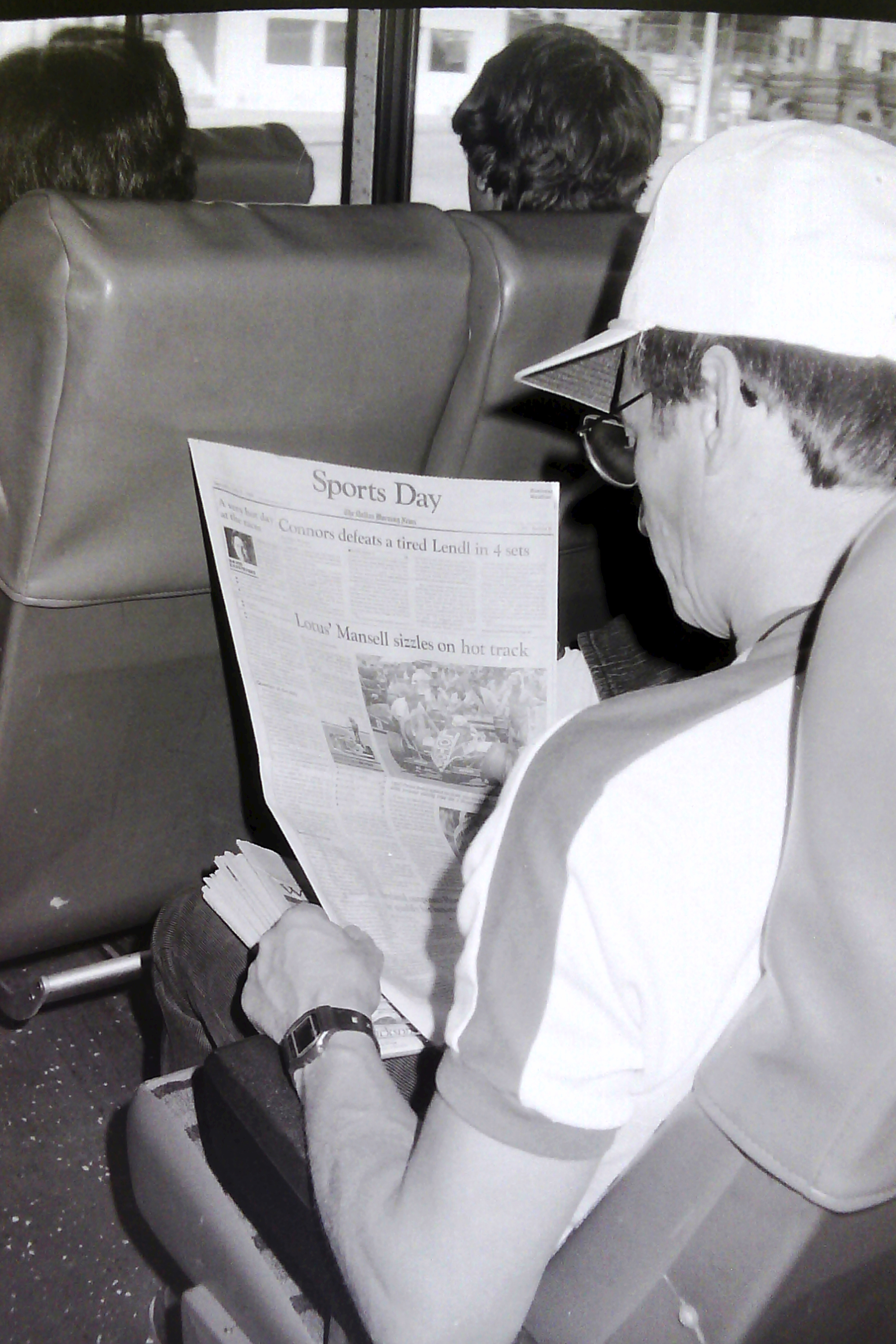
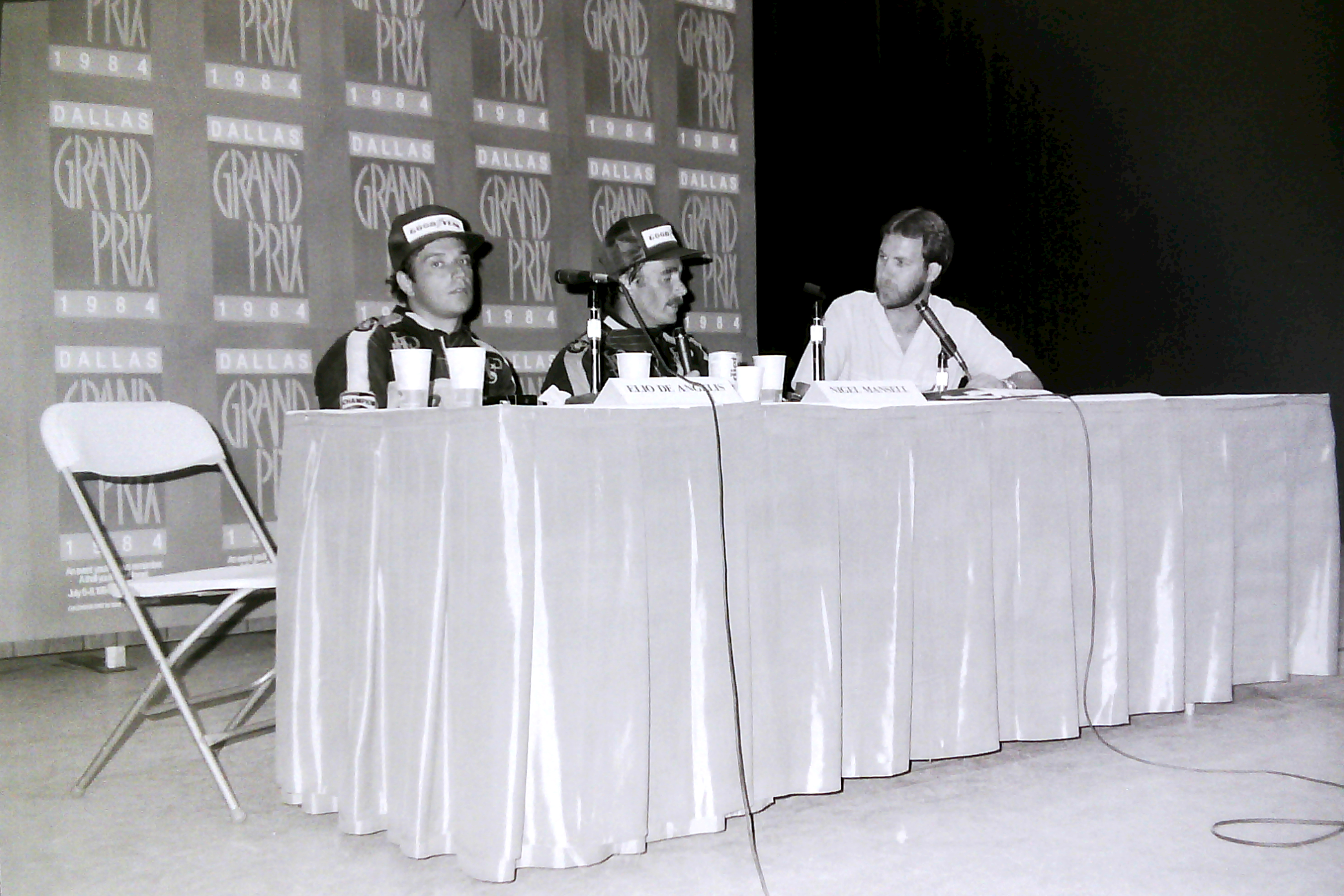
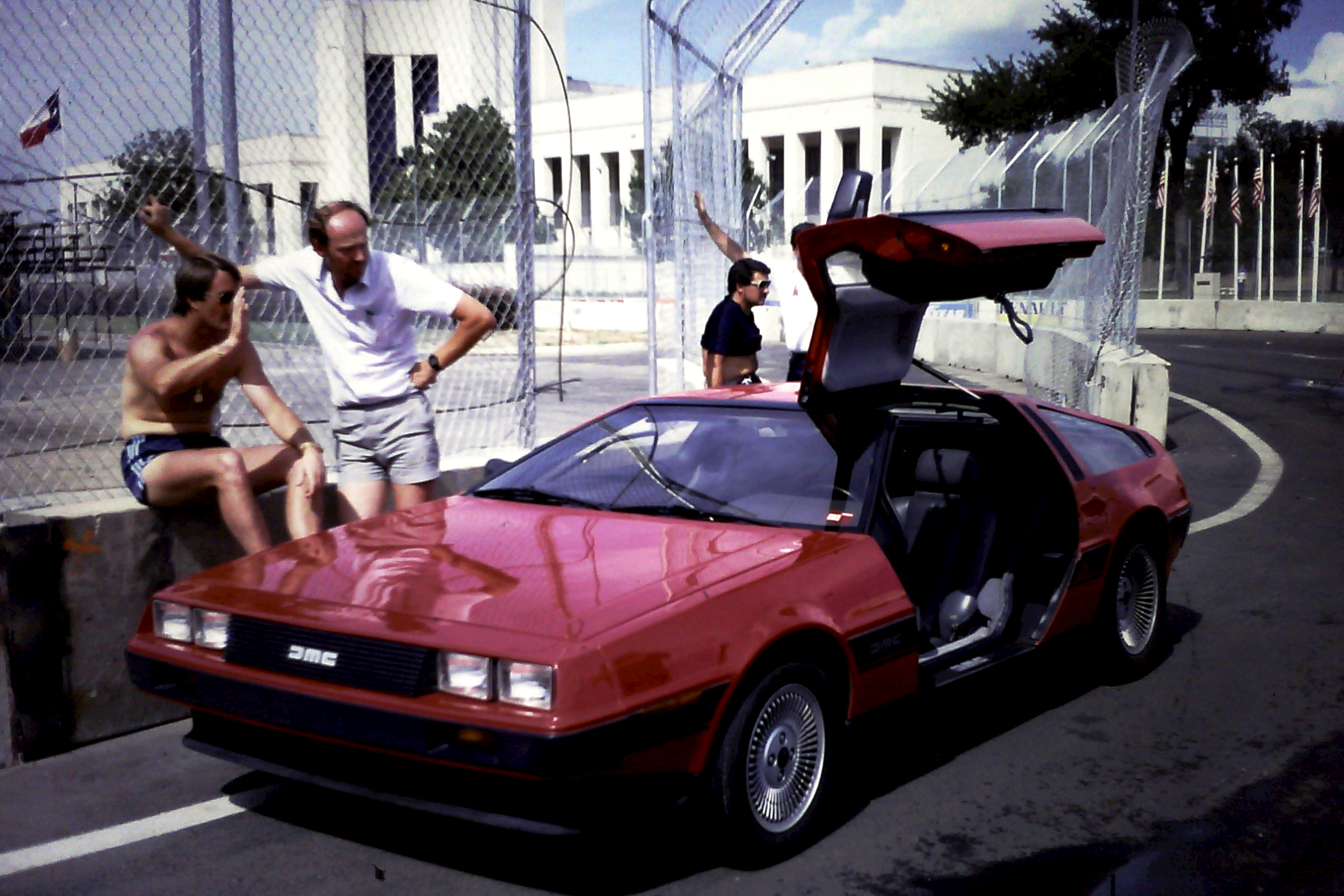
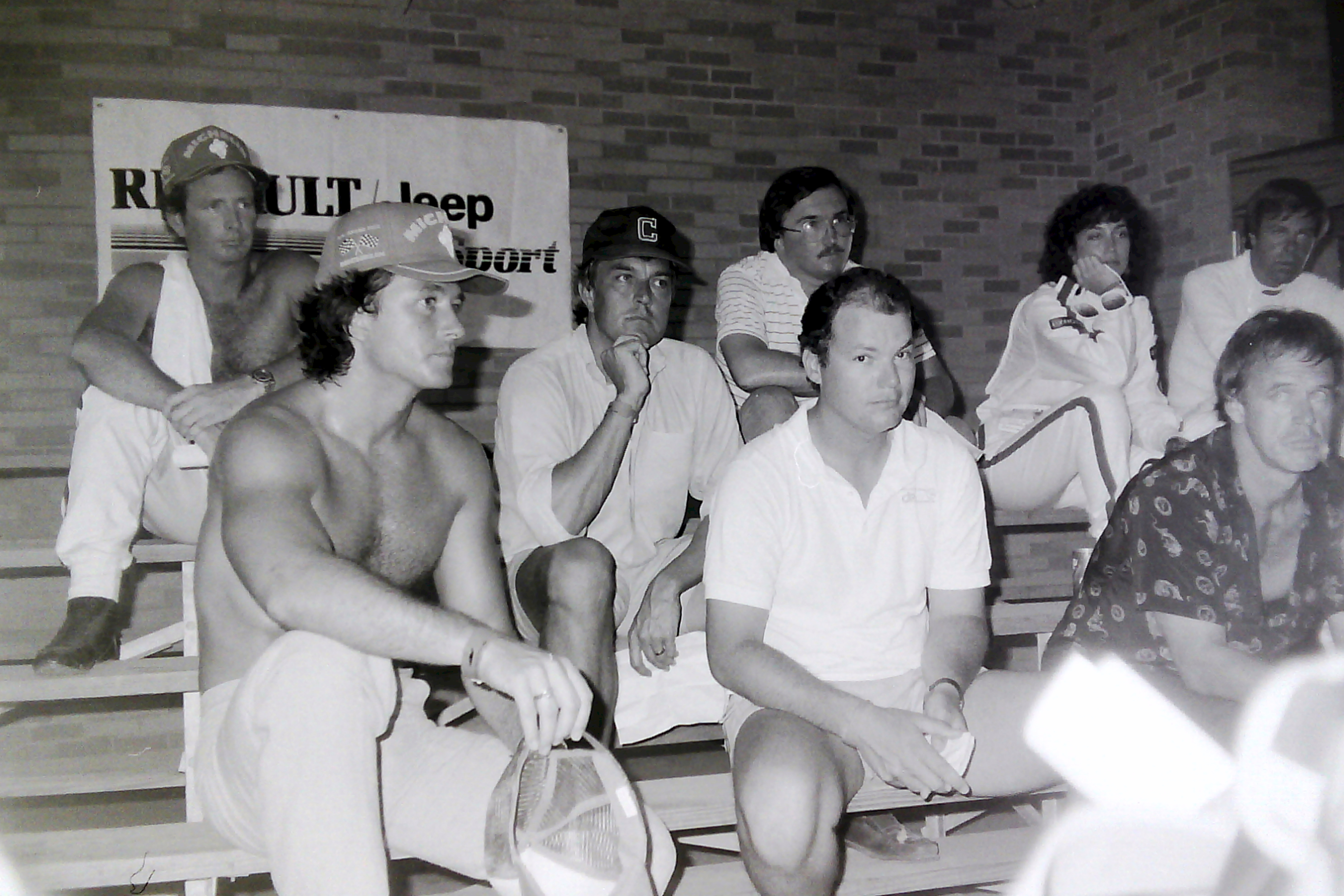
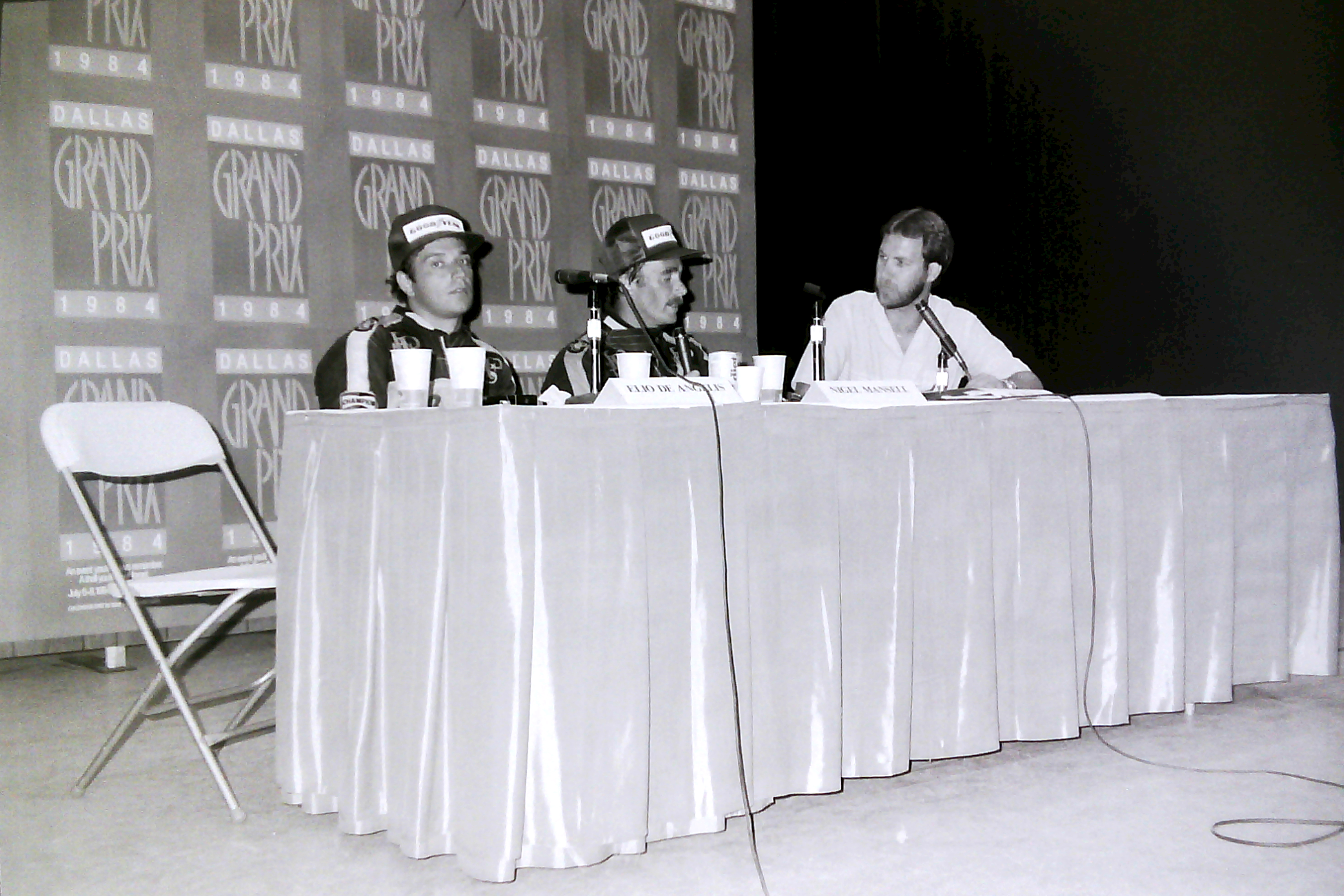
Captions, from top left: Larry Hagman – he’ll be sadly missed.  His autobiography, published recently, is a must-read; I don’t know what I enjoyed most – the Benetton party at Southfork Ranch or posing in the factory Alfa with a sweet, Texan pussycat; F1 people headed quickly for Southfork Ranch – and found that it was just as it seemed to be in the show!; the delightful Linda “Sue-Ellen Ewing” Gray was golf-buggied to the starting grid;  Tyrrell’s Martin Brundle and Steve “Ray Krebbs” Kanaly shared some laughs; Ayrton stayed characteristically cool; Niki Lauda, who would win the Championship that year (by half a point:  you think 2012 was close!), with trademark fruit (who needs a drink bottle?!); this we’d never seen before: marching girls! On an F1 grid!; Keijo Rosberg won the race for Williams-Honda, helped in large measure by the cool suit created for him by Williams Team Manager, Peter Collins. We all approved of the headgear worn by the Willy boys, as modelled in the background by Chief Mechanic, Alan Challis; Brabham’s Corrado Fabi prepares for work.  Mickey Mouse t-shirts (won under the race suit, Rene Arnoux-style) were all the rage back then; Nigel Mansell catches up with the sports news on the bus into the paddock on Saturday morning: “Lotus’ Mansell sizzles on hot track…!“; Elio De Angelis and Nigel tell the US media all about it.  Honed by the Glen, Long Beach and Detroit and to some extent Vegas, the American press fully-embraced F1 in Dallas; Below: Nigel and his JPTL  race engineer, Steve Hallam, pause for a breather by a (rare) Colin Chapman-inspired DeLorean during their pre-practice track walk; Bottom: Patrick Duffy, and (in white polo, staring at the lens) the brilliant singer/songwriter Christopher Cross  feign interest during a briefing for the celebrity race.  “If you get caught between the moon and New York City….” just about summed it all up


Patrick Duffy and the boys feign interest during the celebrity race briefing. Why no celebrity race in Austin, come to think of it?

Alan Jones and the Maybach: celebrating Albert Park’s 60th

I was very taken by the events in Melbourne yesterday, when the Australian Grand Prix organizers began the 60th birthday celebrations of the race in Albert Park. On hand – and looking gorgeous in the spring sunshine – were the Maybach and Alan Jones.  Stan Jones, father of Alan, bought the brutishly-powerful Maybach from former Repco engineer/constructor, Charlie Dean, in 1951:  he finished second in the 1952 AGP at Bathurst (where tyre-wear problems robbed him of victory) and he dominated the opposition on home soil at the inaugural Albert Park AGP in 1953, “displaying,” as Wheels magazine put it, “the most fiery exhibition of driving witnessed for a long time.”  A long stop for fuel (during which a copious amount of methanol was spilt over the driver!) and a new water pump drive belt ended his chance of victory but Stan made up for that with a big win in the 1954 New Zealand GP at Ardmore.  It all came to an end at the brand new Southport track near Surfers’ Paradise, Queensland, scene of the AGP in November, 1954.   Stan took an early lead from Lex Davison’s HWM Jaguar and was leading by 40 seconds or so when the Maybach’s chassis virtually split in two:  the car left the road at over 100mph and came to rest on its side amidst trees and scrub.  Stan Jones emerged uninjured (no seat belts; Herbert Johnson helmet!) and, post-race, was even given a ride back to the pits on the back of Davison’s winning HWM, Mansell/Senna-style.

The Maybach, which was originally powered by a 3.8 litre, six-cylinder German Maybach engine taken from a Bussing NAG scout car, was subsequently re-invented around Mercedes W196  F1 bodywork, de Dion rear end and Chevrolet engine.  The brilliant Jones briefly led the 1955 AGP at Port Wakefield with the Maybach, heading none other than Jack Brabham (Cooper Bobtail), but further mechanical gremlins (broken clutch release) intervened.  Jones won a 1959 Australian Gold Star event with the revised car (again at Port Wakefield) and also raced it in the 1960 AGP at Lowood.  Stan’s talent and determination were finally rewarded in 1959, when he won the AGP at the classic Longford road circuit in Tasmania at the wheel of his Maserati 250F.  A 12-year-old Alan Jones was on site to see the victory – and to ignite his burning desire to race at the sports’ highest levels.

The video below was recorded yesterday, at Albert Park, in Melbourne.  Alan, the 1980 F1 World Champion, can be seen in reflective mood as he sits in his father’s Maybach, teeing-up a 2013 AGP that will mark 60 years since that first race in Albert Park.  The 1953 AGP was held on November 21 that year – so, strictly speaking, next March’s AGP will fall nine months short of 60 years – but who’s worrying about that?  It’s a perfect time to remember the exploits of drivers like Stan Jones, Doug Whiteford (the winner of that 1953 race with his Lago Talbot), Reg Hunt , Bib Stillwell and many others.

Spanning the Eras

We had a lot of fun filming the latest episode of The Flying Lap up at Silverstone on Wednesday – and I hope you enjoyed the show.  If you missed it, you can watch it now by going to http://smibs.tv for a YouTube or download link (or clicking the thumbnail on the right).  In addition, I thought you might like to see a couple of scenes we couldn’t fit into the main show…


Post Navigation