It was the 1960s…but the schedules – and the demands – were no less than today’s.
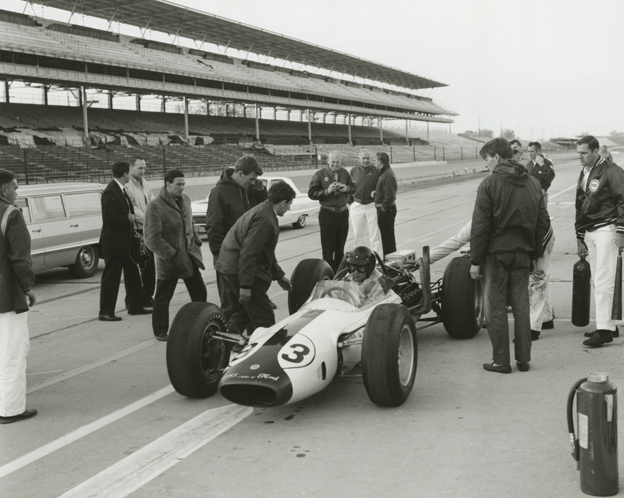
Immediately after winning the Mexican Grand Prix, Jim Clark, Dan Gurney and Colin Chapman flew to Indianapolis via Chicago. From the warmth of the Gulf to the chill of the mid-west. From a 1.5 litre Coventry Climax-engined Lotus 25 (or, in Dan’s case, Brabham BT7) to the new four-cam Indy Lotus 29-Ford. To an empty, echo-ey Indianapolis Motor Speedway, where the bitter winter winds were already whistling around corners in Gasoline Alley. To a full-on engine and tyre test in company with the Ford top brass and engineers from Goodyear, Firestone and Dunlop. Read more…
Fernando Alonso looked fit and well after qualifying despite his recent nerve/back troubles. He was beset by headaches for the week after Abu Dhabi (when a hop over the rumble strips did the damage) but he’s fine now, citing adrenalin as the greatest cure in the world.
I love the small, relatively cramped team hospitality units at the COTA. You’re there in Ferrari, chatting to Luca Marmorini about the 2014 fuel-flow restrictors, and the next thing you know you’re shoulder-to-shoulder with Felipe and/or Fernando’s Friends. After chatting earlier to Sahara Force India’s Andy Stevenson about his team’s third Brembo brake disc failure this year (Adrian Sutil’s broke in qualifying in Texas), the thought occurred that Felipe is going to have a bit of a pedal-shock when he first drives a Williams. To my knowledge, Felipe has never driven with Carbone Industrie brakes – and they are very, very different from the Brembos. As different, perhaps, as the new V6 turbo engines will be from the current V8s. Felipe said that he’d tried CIs a few times at Ferrari and doesn’t like ’em. “I will have to make some changes at Williams,” he said with a smile. Hmm. It’ll be interesting to see where Williams are at, brake-wise, come January/February next year.
Speaking of those SFI brake failures, the thinking at Brembo is that SFI have an installation problem. Ferrari, for example, have had no such issues at any point this year. Fair enough – but then you would always expect Ferrari to be atop the Brembo totem pole. It’s a bit worrying, therefore – both for SFI and Brembo. Add a couple of issues at Lotus with Hitco, and you have a surprising number of brakes failures in a year when other (historically-fragile) car components – hydraulic systems, electronics, clutches, transmssions, engines, etc – have been virtually rock-solid.
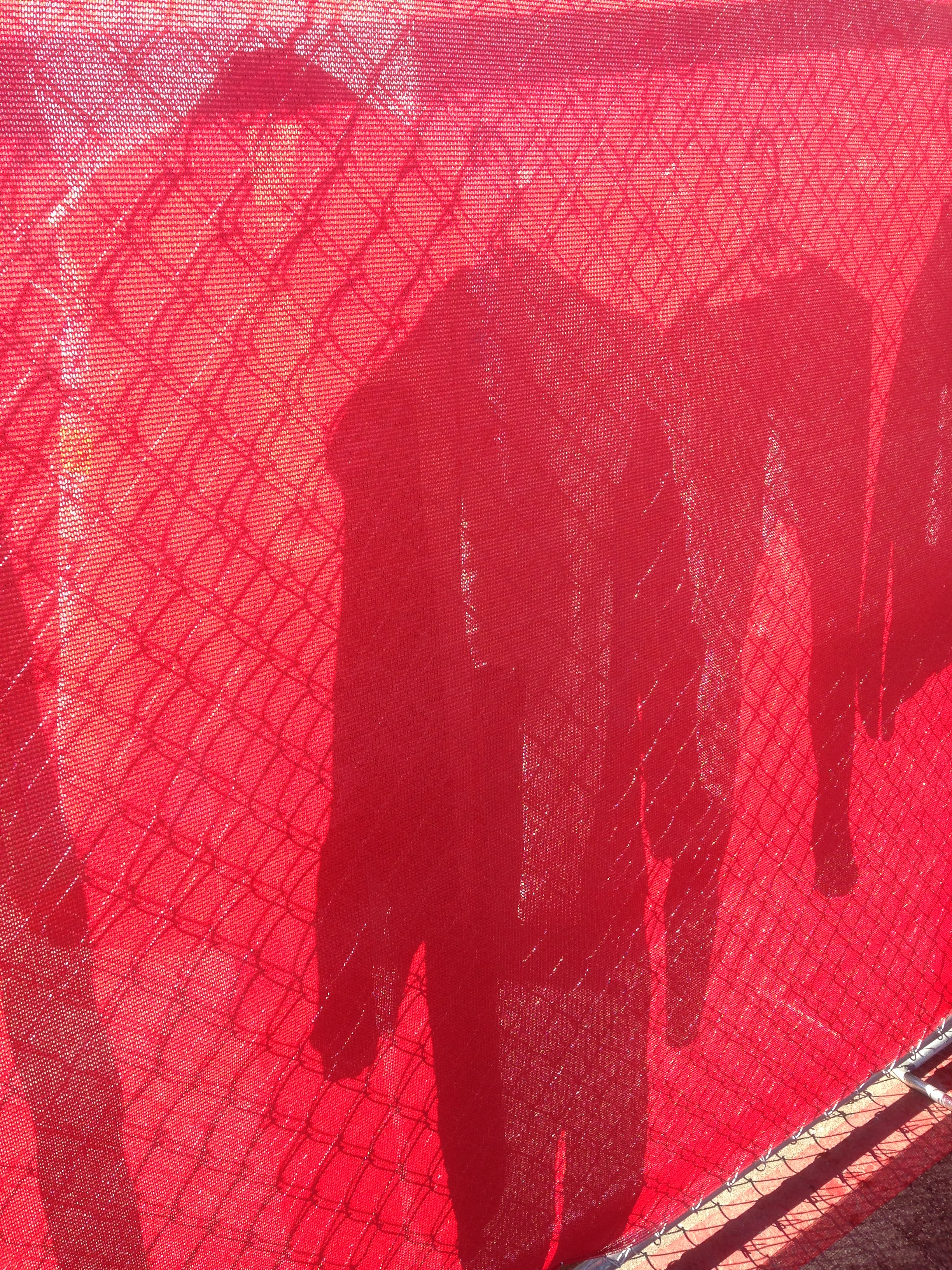
One of the sights I miss at modern F1 races is that of the washing line – the drivers’ sweaty overalls hanging out to dry between practice sessions. They all used to do it. Now, like Vespa scooters, I guess such displays are against Community Paddock Rules. I did see this, though, after Friday practice, proving that there’s life in (crowded) F1 paddocks after all. I shot these sun-drying overalls through the fencing in the hope that you won’t report the culprits.
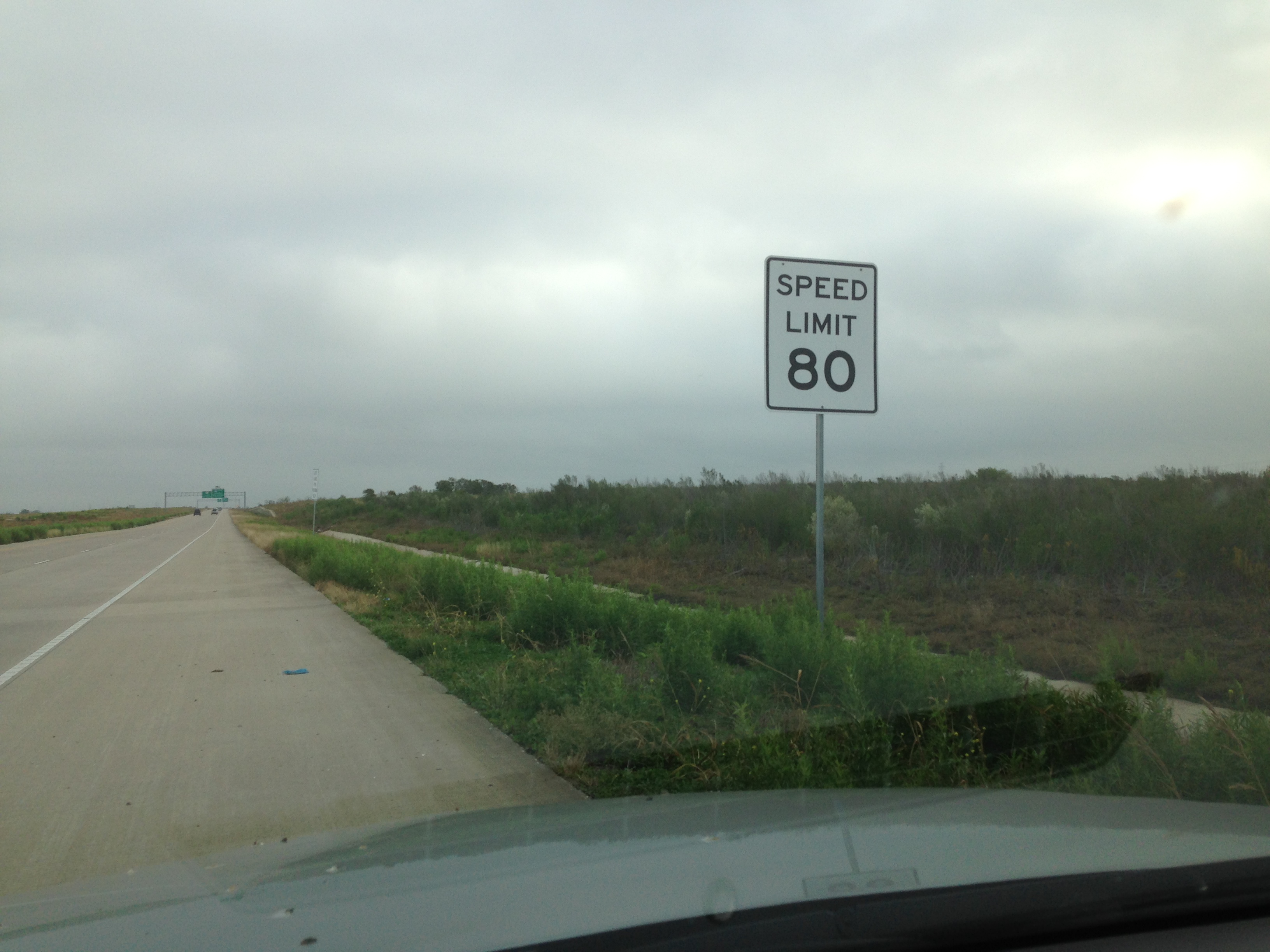
It’s difficult to have fun on the roads in the US, but that all changes on the motorway leading to the COTA. Not only does the road have plenty of sweeping bends in amongst the prairies and the grazing cattle; the speed limit is also an amazing 80 mph (85 mph on the return lanes, oddly). I can’t think of too many places in the world these days with speed limits that high, so all credit to the Texans. My Hertz Chevvy loved it – and that’s saying something.
I know I go on an on about “F1 improving its show” but I can’t let this race pass into history without commenting about the almost non-existent support package for the US GP. Last year we at least saw Historic F1 cars – and gorgeous they were too, even if the owners were not allowed to use on-board cameras and the races were confined to the less-populated stages of the day. We also had Porsche Supercup (American version). This year the Historic F1 cars were nowhere in evidence – and nor were the Porsches. The sum total of the USGP race cars was the F1 race (obviously), preceded at 9:30am by an (admittedly fascinating) Historic Formula Atlantic/Formula B race and then a bunch of unruly stockbrokers doing about $50m-worth of damage to expensive-looking Ferrari sports/road cars. Why no Historic F1s in a country in which (a) F1 is trying to “sell its brand” and (b) has enormous F1 heritage, by which I mean Phil Hill, Mario Andretti, Dan Gurney, Richie Ginther, Peter Revson, Eagle Weslakes and a race history that stretches back to 1959? Why no Eagle on the circuit before the race, driven by Dan himself? Why no Mario in a Lotus 79? And why no Pro-Celebrity race, bringing in some Hollywood stars to spice up the day – especially in a year of relatively-predictable Seb Vettel domination? Americans like shows – they’re used to shows – and it’s not difficult to enhance the F1 show with a few simple bolt-ons. As much as I enjoyed watching (late on Saturday and early on Sunday) a Fred Opert Chevron B39 alongside a Ralt RT1 – and the mid-field laps of a nice Lotus 41C – and seeing Mario on the podium, presenting a trophy – I don’t think this is the sort of event that sits particularly comfortably – alone – as the main support race of America’s Grand Prix. Fred Opert himself? He was in Texas, supporting his man (Nico Rosberg, son of his former star driver, Keijo).
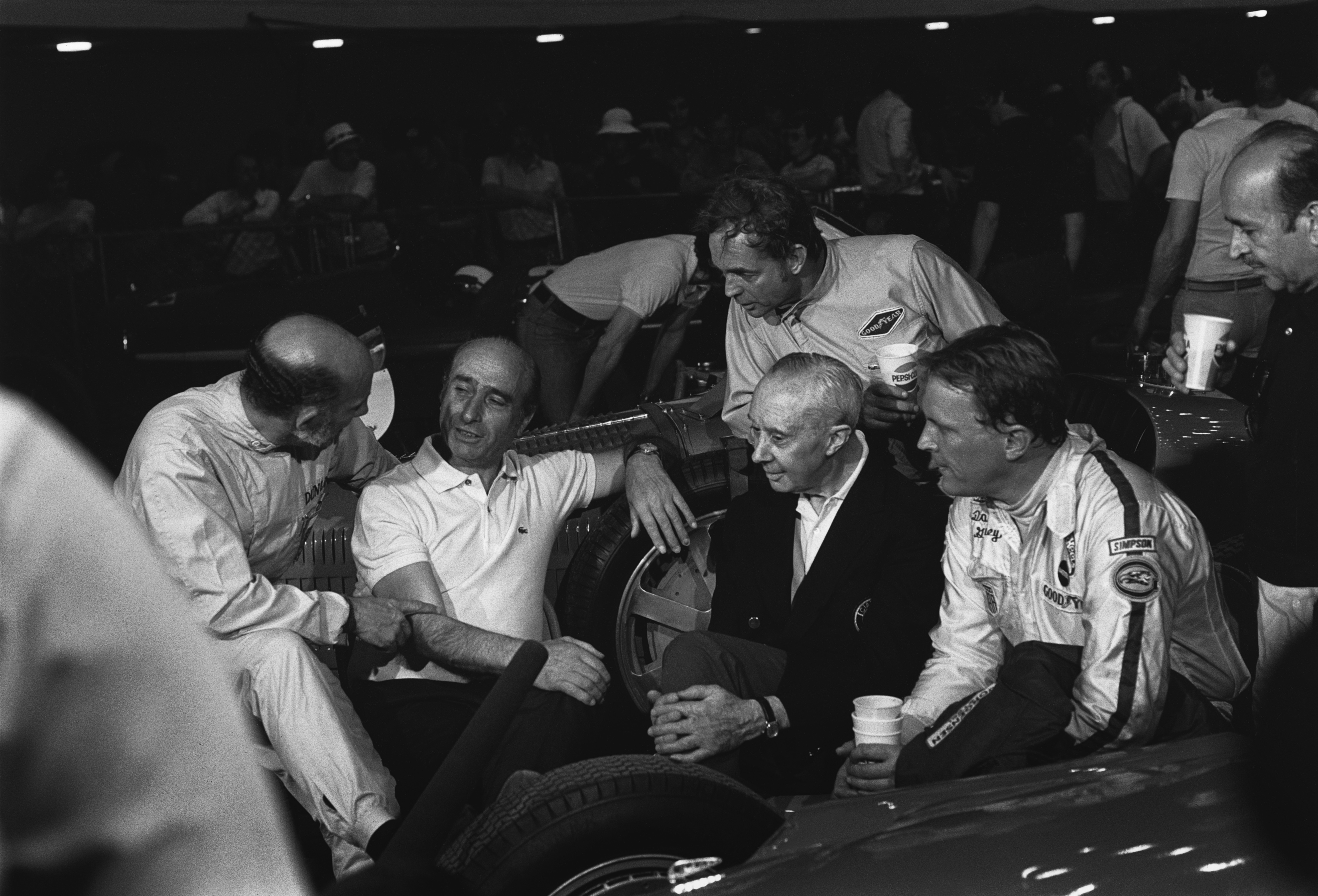
Which reminds me of one of the first Long Beach Grands Prix, when there was a decent Pro-celebrity race. Poor old Clint Eastwood wasn’t particularly quick but luckily couldn’t hear the large-bellied guy sitting on his Winnebago’s roof on the outside of Turn Two (where I also happened to be watching). “Hey Clint!” he would say, lap after lap. “Where’s Dirty Harry now?!”. Anyway, here’s a flashback to the first Long Beach GP in 1976. Not a bad guest list: Stirling Moss, Juan Manuel Fangio, Rene Dreyfus, Phil Hill, Dan Gurney and Maurice Trintignant. Sadly many have passed away. As I say, though: why no Dan in an Eagle at the COTA – or Stirling, for that matter? He did win the second US GP (at Riverside, 1960).

Tim Mayer (son of Teddy), was a Steward at this year’s US GP. It was 50 years ago that his uncle, the very rapid Timmy, signed to drive for Bruce McLaren’s new team prior to the (January-February, 1964) Tasman Series. Timmy was instantly quick, almost dead-heating with Bruce at Teretonga and running right up with his team leader on several other circuits. Then in March, at Longford, Tasmania, Timmy died when his little Cooper became airborne over one of the bumps and spun into the trees. Tim, his nephew, is today an FIA Delegate and Director of ACCUS (Automobile Commission of the United States). Timmy brought his mechanic, Tyler Alexander (left, below) to Bruce McLaren Motor Racing Ltd. Tyler then went on to become an integral part of the McLaren success story.
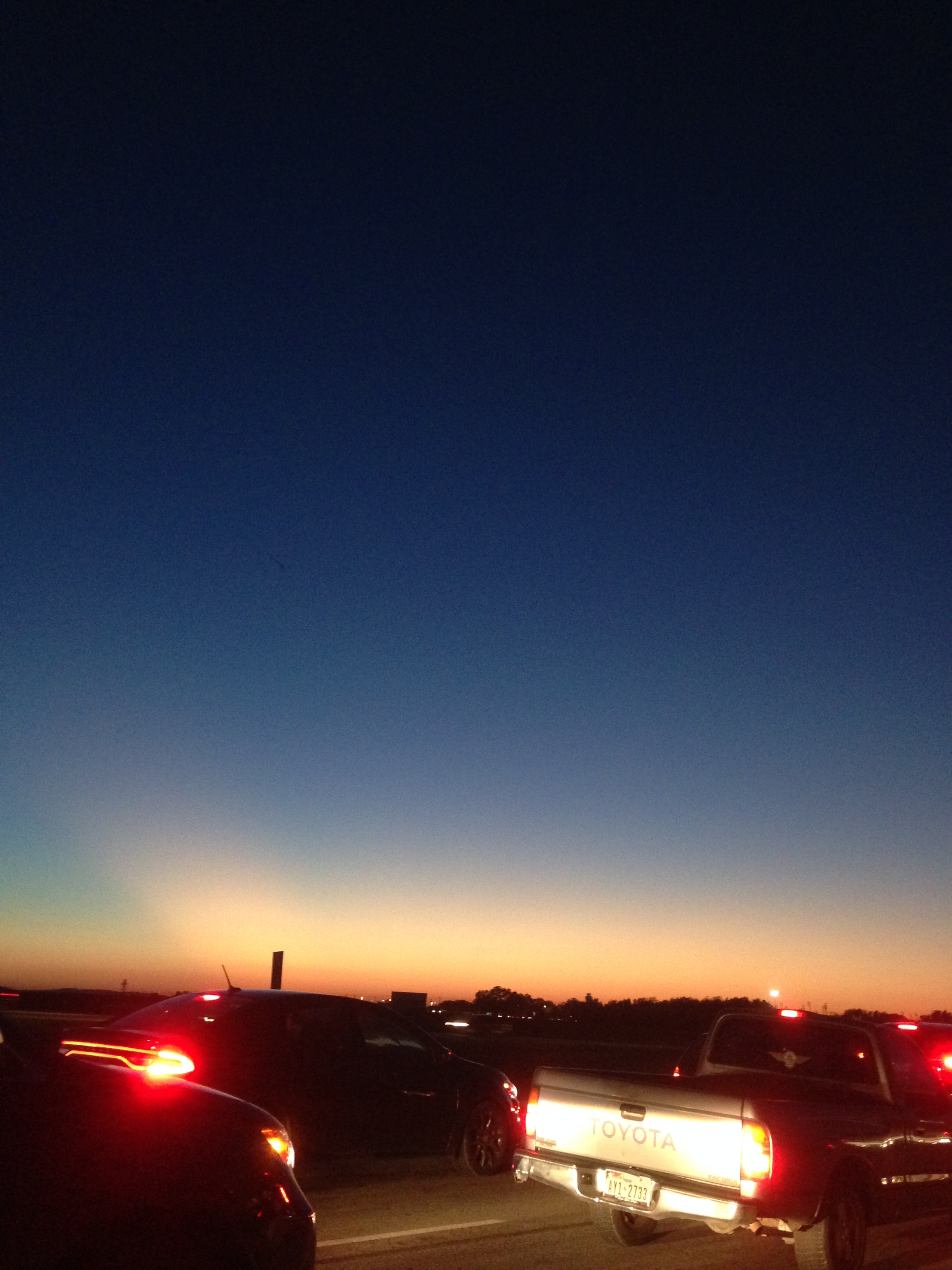
What do you do when you’re sitting in a Texan taffic jam? Watch the sunset…
Images: LAT Photographic; Peter Windsor Collection
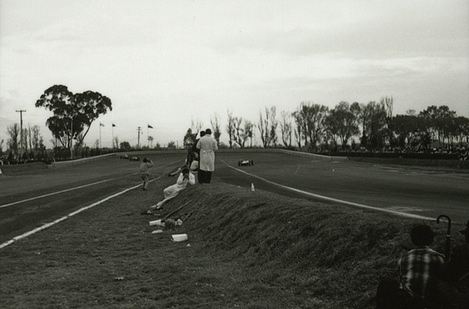
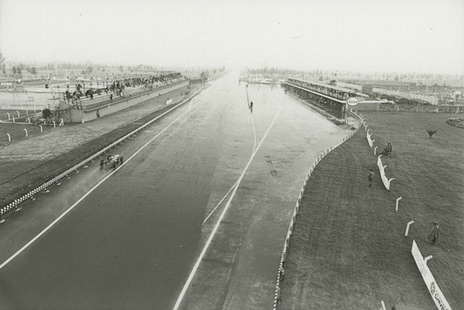
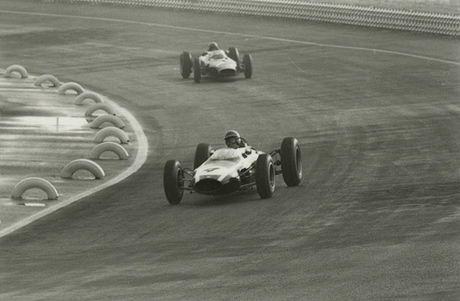
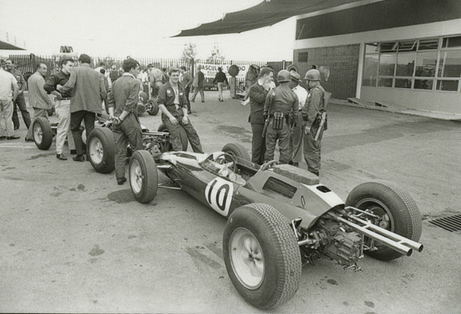
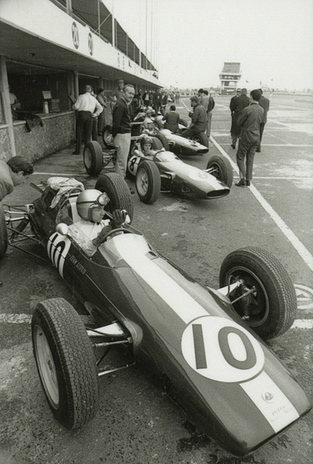
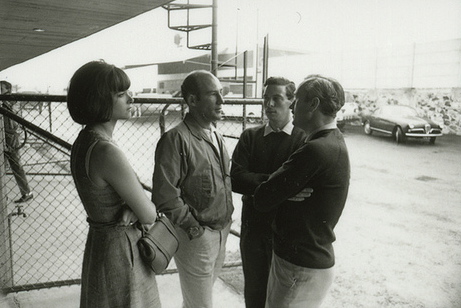
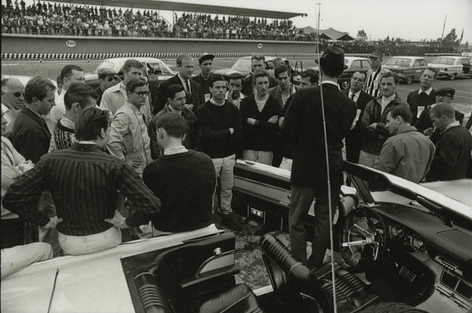
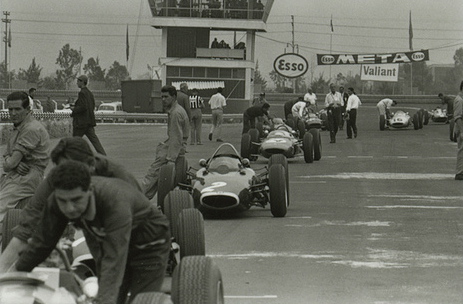
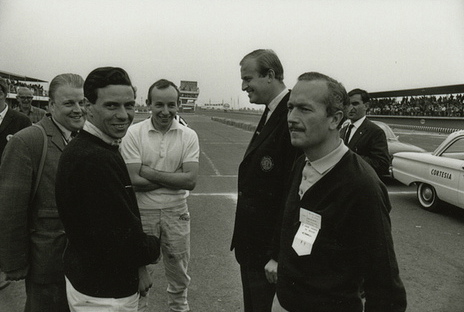
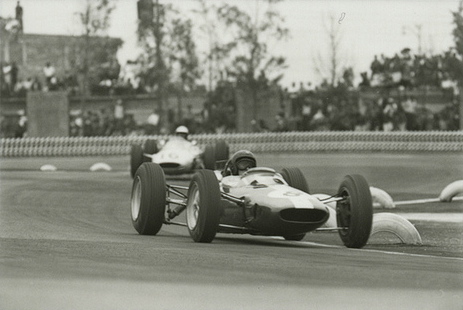
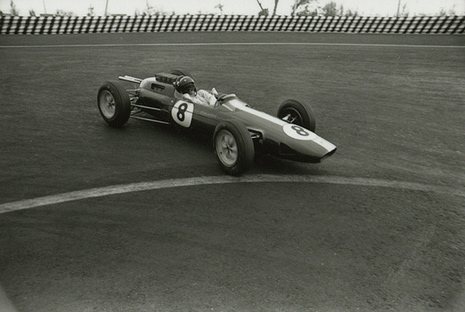
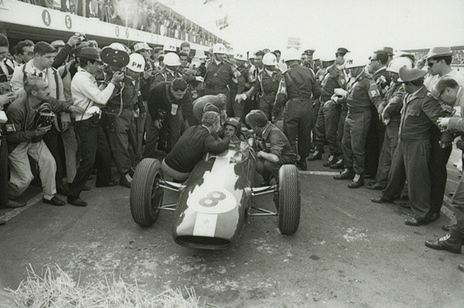
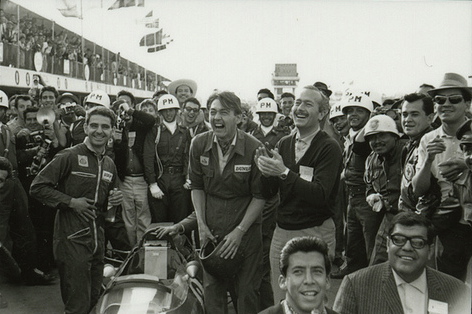
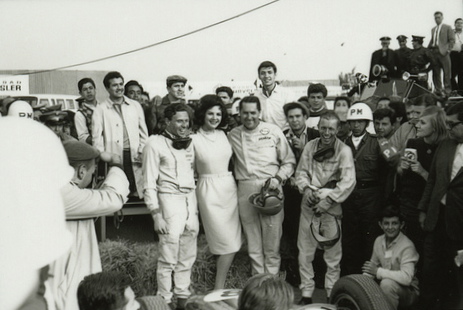
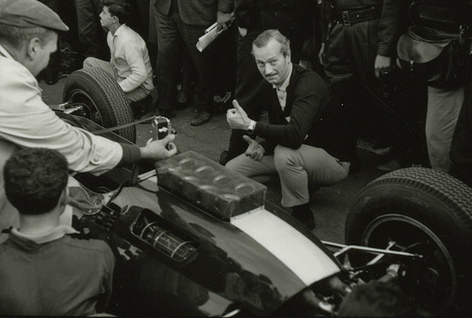
Thanks to David Friedman Collection and The Henry Ford (www.henryford.org) I am delighted to be able to publish an additional collection of images from the historic 1963 Mexican Grand Prix in Mexico City. Many of these are being shown for the first time; and, collectively, I think they paint an almost ethereal picture of that country’s first World Championship Grand Prix: there was the ever-present army. There was the daunting Peraltada corner, which in 1962 had taken the life of Ricardo Rodriguez. There was Pedro, Ricardo’s elder brother, having his second F1 race in a third works Lotus 25-Climax. There was the rain on Saturday. And, on Sunday, after the arduous, two-hour, nine-minute race, there were the laughs in victory circle. Jim Clark, the new World Champion, had won his sixth Grand Prix of the season. I’m delighted, in addition, to show here a little-seen Solana family 35mm film shot over the weekend of the 1963 Mexican GP. Moises Solana, who had practised but not raced a Bowmaker Cooper in Mexico in 1962, had no worries about racing the following year with Number 13 on his Centro Sud BRM. Here we see it being loaded onto the Solana trailer behind a Chrysler Valiant and then in action at the circuit. This film includes lots of rare images from the weekend, including shots of Jim and the Lotus 25s, so I’d also like to say a very big thankyou to Cesar Galindo and the Solana family for the sights and the memories.
Captions, from top: wide-angle view of the banked hairpin; Saturday scene in the rain, looking away from the Peraltada towards the modern pit/garage complex; Tony Maggs and Richie Ginther within the Peraltada, showing new, two-tier outer Armco and half-tyres on the inside; the army stand guard over the Team Lotus entries prior to first practice; Team Lotus drivers Pedro Rodriguez, Jim Clark and Trevor Taylor prepare for that first practice session; Jim and Colin Chapman confer with the now-retired Stirling Moss while a dusky Mexican fan feigns disinterest; another view of the drivers’ briefing shown in the recent race report post (“Jim Clark in Mexico: 66 per cent at 7,000ft”): a flash convertible serves as a useful dias as, from foreground, anti-clockwise, Chris Amon, Trevor Taylor (in natty shirt), Giancarlo Baghetti, Tony Maggs (in ski jumper), Hap Sharp, Masten Gregory, Jim Hall, Pedro, Count Godin de Beaufort (in jacket and tie), Jim, Moises Solana, Dan Gurney, Jo Siffert, Jo Bonnier, Graham Hill, Rob Walker, Richie Ginther and Bruce McLaren listen in; Cedric Selzer and Jim Endruweit push Jim’s 25 onto the starting grid whilst BRM’s Chief Mechanic, Cyril Atkins, sits comfortably on the right front Dunlop of Graham Hill’s car; Michael Tee (left), father of LAT’s Stephen Tee, shares a pre-drivers’ parade joke with (from left), Jim, John Surtees, Godin de Beaufort and Colin Chapman; a lovely, low-line shot of Jim in the 25, pushing hard through the esses. Jim Hall is in the background with his BRP Lotus 24; Jim has his arms fully-crossed in the hairpin; Colin and Jim Endruweit are the first to congratulate Jim as he drives in towards the victory arena; Cedric Selzer (left) joins in the fun as the first three line-up with the race queen; and here are the first three – Jim, Jack Brabham and Richie – posing for the photographers; Colin’s gesture says it all Images: http://www.thehenryford.org
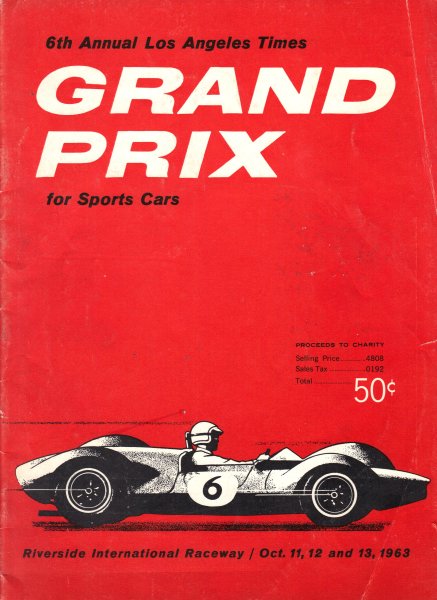
Jim was intrigued, when he met Frank Arciero on arrival at LAX, to hear about Frank’s famous 2.7 litre Lotus 19-Climax – the car he would race in Sunday’s LA Times-sponsored Grand Prix at Riverside. Frank struck a cautionary note, however: the tired engine was losing its oil pressure and there wouldn’t be time to fix it should things turn bad. Jim sensed that it could be Mosport all over again; it was a function of making long-distance race arrangements for last-minute arrivals. The Arciero brothers – huge race enthusiasts both – were nonetheless optimistic. The sons of a father who fought in such WW2 arenas as Monte Cassino (with the Allies!), Frank and Phil were shipped off to America – to Ellis Island – in 1939. Concrete – construction – was their trade; California was where they made their fortune. A wine business followed. Then real estate. And then, in the late 1950s, with a fortune to back both his hand shakes and his promises, Frank began to support the cream of young American racing drivers. Dan Gurney. Parnelli Jones. Phil Hill. Bobby Unser. Chuck Daigh. By 1963, the Arciero Brothers, based in Montebello, East of Los Angeles, California, were regular, headline fixtures on the “Fall Pro Series” – in the big-money, big-engined sports car races at circuits like Bridgehampton, Kent, (Washington), Laguna Seca and Riverside, where internationals like Stirling Moss, Innes Ireland and Masten Gregory fought the best of the locals – the Walt Hansgens, the Roger Penskes, the Bob Holberts.
The 1963 LA Times Grand Prix at Riverside, further east again from LA, was to be the biggest and best yet for the Arcieros. In a piece of stage-management that stands right up there with anything that, say, Red Bull, could conjure today, Frank brought Jim Clark and Parnelli Jones together as team-mates in two different types of Lotus – the 2.7 litre Coventry Climax-engined 19 and a similarly-powered 23. Both drivers, what’s more, would be right there in terms of the outright race win. There was big prize money to be won at Riverside – $35,000 in total, with about a third of that going to the overall winner. Jim liked this concept; he liked the idea of racing for serious prize money (as distinct from the reasonable starting money in Europe). He was a professional racing driver. He liked to earn his money on the race track. He wasn’t one for hardline contract negotiations behind closed doors.
He wasn’t alone, of course, in his attraction to the prize money. I repeat here the line-up of major runners at this Riverside race if only because it feels so good to type their names and the cars they drove:
Jim Clark (Arciero Lotus 19-Climax/Lotus 23B-Ford)
Graham Hill (Ian Walker Lotus 23B-Ford)
Jim Hall (Chaparral-Chevrolet)
AJ Foyt (Scarab-Chevrolet)
Dave MacDonald (King Cobra-Ford)
Bob Holbert (King Cobra-Ford)
Dan Gurney (Genie-Ford)
Roger Penske (Zerex-Ford)
Pedro Rodgriguez (Genie-Ford)
John Surtees (Ferrari)
Richie Ginther (Porsche RS)
Bill Krause (Elva-Ford)
Roy Salvadori (Cooper Monaco-Climax)
Bob Bondurant (Cobra-Ford)
Augie Pabst (Lotus 19-Climax)
Lloyd Ruby (Harrison-Ford)
Jerry Grant (Lotus 19-Buick)
Timmy Mayer (Lotus 23B-Ford)
Frank Gardner (Brabham BT5-Ford)
Dick Thompson (Maserati)
Rodger Ward (Cooper Monaco-Buick)
Jerry Titus (Genie-Chevrolet)
Chuck Parsons (Lotus 23B-Ford)
Ken Miles (Dolphin-Porsche)
The LA Times went crazy with promotion; on race day, out there at Riverside, with the mountains in the backdrop, perched on the grass banks, looking across the ups and downs of the famous circuit under a baking California sun, sat an 82,000-strong crowd. It was the biggest ever seen at an American road race – bigger even than at all the US GPs run to date.
For Jim, though, the weekend started badly. Graham Hill was there with the well-sorted Walker 23B; Timmy Mayer had just imported one of the Normand Lotus 23Bs (and would race it still in Normand colours); the King Cobras and the Chaparral were obviously going to be hard to beat. It seemed that everyone had a ride – everyone, that is, except the new World Champion. The Climax had indeed lost its oil pressure.
Frank felt terrible and promised Jim that he would have a rebuilt engine installed in the 19 for the following weekend’s race at Laguna Seca. For now, he could but give Jim the telephone number of the local LA Lotus dealer, Bob Challman. Maybe Bob would lend him a car.
So it was that Jim Clark, the mild-mannered shepherd from the Scots Borders, met Los Angeles. A diminutive new passenger jet had just had its first flight in the hands of Hank Beaird and Bob Hagen. It was called the Learjet 23. The West Coast seemed to be another country again; the specialist machine shops – and even the race shops – around LA were abuzz with the burgeoning NASA space programme. With Watkins Glen already feeling an age away, Jim therefore set off under the sun to find 2301 Sepulveda Boulevard, Manhattan Beach – Bob Challman’s dealership. He was alone. The eight-hour time difference to England made it impossible for him to involve Andrew Ferguson, Team Lotus’ Racing Manager in the negotiations – even if Colin had sanctioned the cost of trans-Atlantic phone calls. None of his usual mechanics were with him. He knew Dan, of course, and Parnelli, and AJ Foyt, and Rodger Ward, but still he was a foreigner, a newcomer to very different shores.
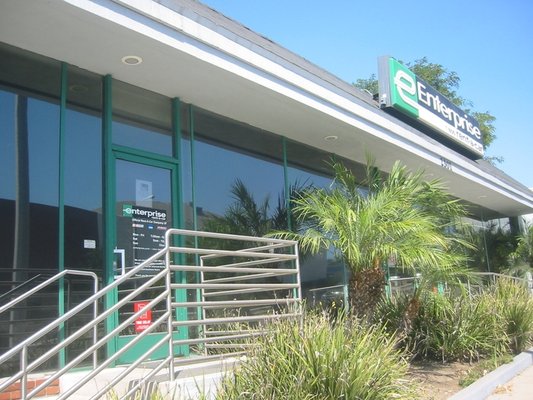
Bob Challman’s Lotus dealership (now an Enterprise Rental office) was vibrant and innovative. Bob, who also raced when he had the time, would soon become famous on Madison Avenue for his slickly-worded advertisements for the new Lotus Elan – and for his ‘60s graphics. Convertible Elans looked great in the Californian sun; Bob’s name, and that of Lotus, sat up there in lights, Vegas-style, by the Manhattan Beach dealership.This was a far cry, of course, from Cheshunt, North London.
An example of the sort of ad copy Bob produced (under the title, “This One Doesn’t Snarl”) can be gained from the following Elan publicity, LA-style:
“To the buff who’s become accustomed to the fierce sounds and exotic forms of the current hairy breeds, the Lotus Elan may come on with a bit of a jolt. There are no ear-tweaking screams or jungle-like roars, even when turning full-crank. The Elan moves quickly, but without fanfare. The body form is also a modest understatement, totally lacking in toothy overhangs and embossed lumps. The design is functional, and handsomely finished, but by no means overpowering. If you’re just looking for something to park in front of the apartment – forget it. On the other hand, if you’re the kind who seeks those inner qualities that come with quiet types, you will find the Elan an attractive package of enduring pleasures.”
All of this, I think, would have brought a smile to the face of one James Clark Jnr. And it is a matter of record that Bob Challman instantly came to Jim’s rescue. He just “happened” to have a brand new Lotus 23B awaiting pick-up by a West Coast customer. Of course Jim could race it at Riverside. It would be a privilege.
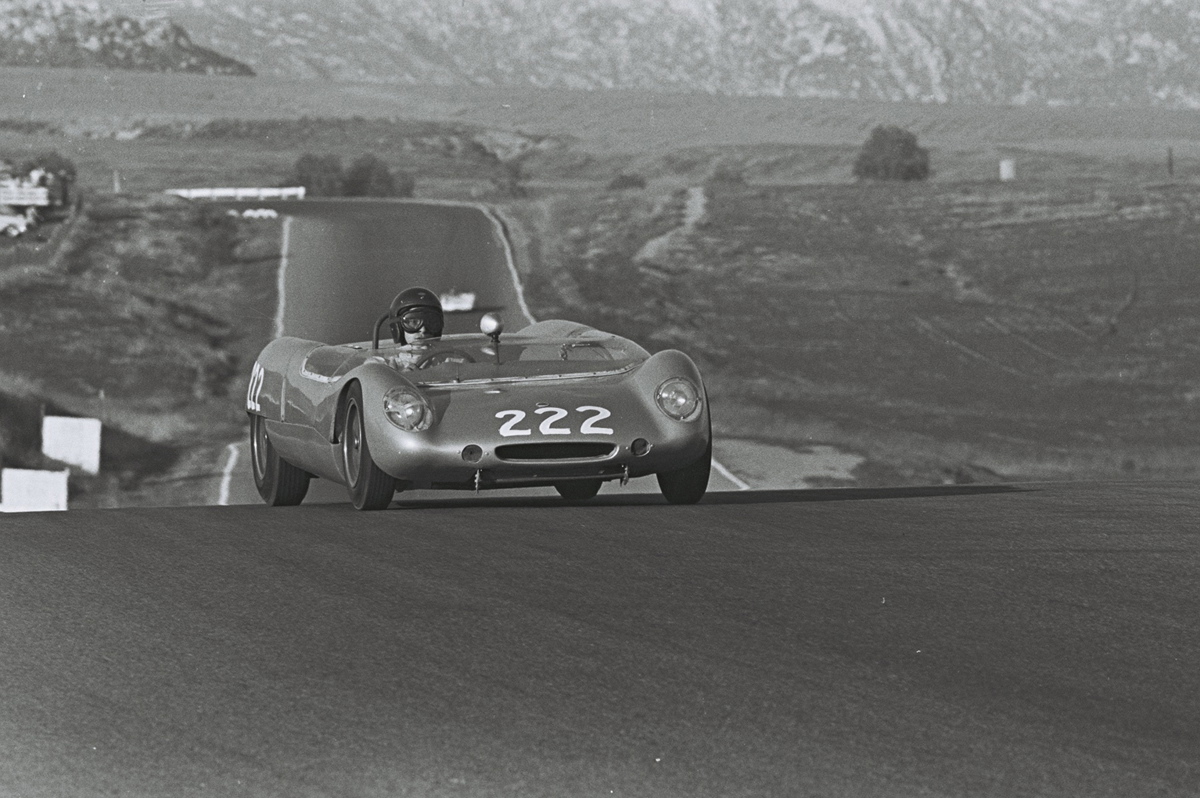
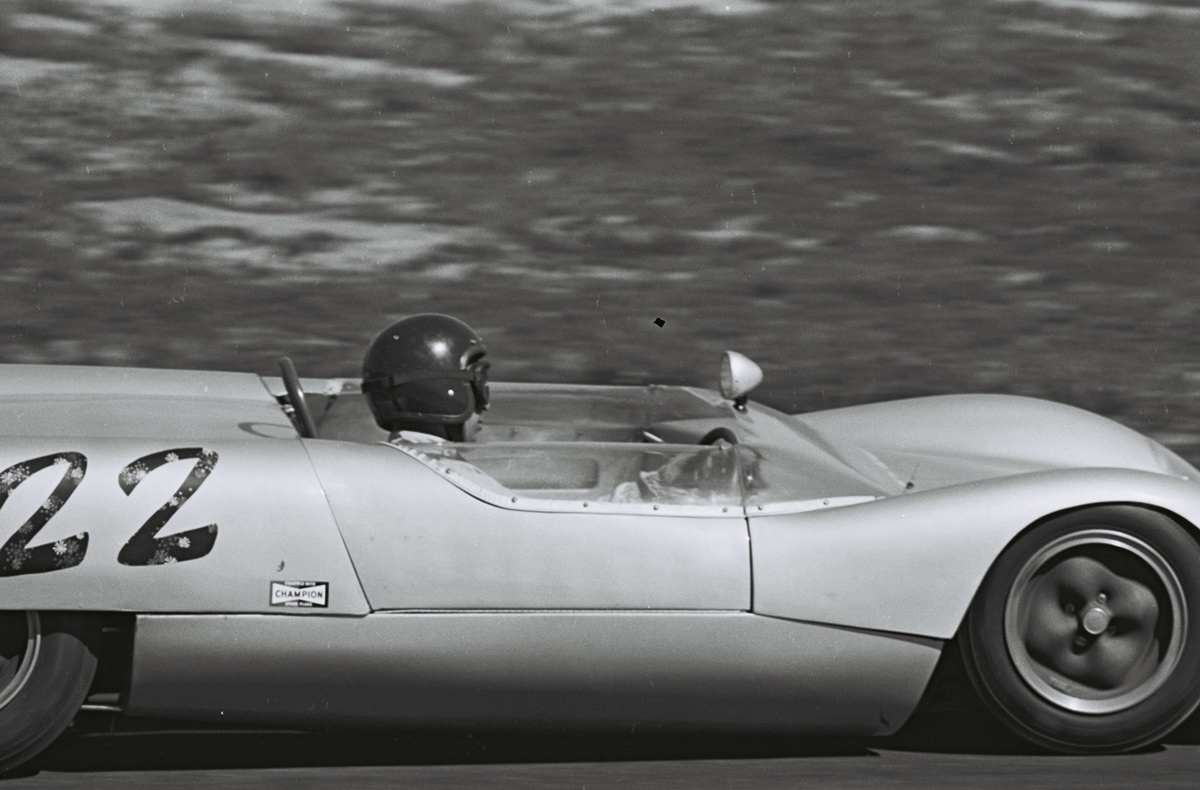
In the way of Bob’s “modest understatement”, Jim’s new car would be finished in plain silver. There was no signwriting, apart from a small Champion sticker. It didn’t even carry the name of Bob’s racing team (Ecurie Shirlee) – or that of its driver. It simply wore Jim’s new racing number – 222 – in white on the nose and in black (complete with starbursts!) on the rear sides. (Jim’s original Arciero number was 2 and 22 was taken!)
It was indeed a brand new car; and, given that Jim was by then the world’s foremost 23 exponent – he had debuted a 23 a year and a half ago, in Germany – there was every chance that Jim would quickly be able to sort it. All hopes of outright victory had to be expunged. Jim focused on a class win. His main opponents: Graham Hill, naturally, and also Timmy Mayer. Bill Krause wasn’t slow; and Frank Gardner had showed the pace of the new Brabham BT5 recently at Oulton Park.
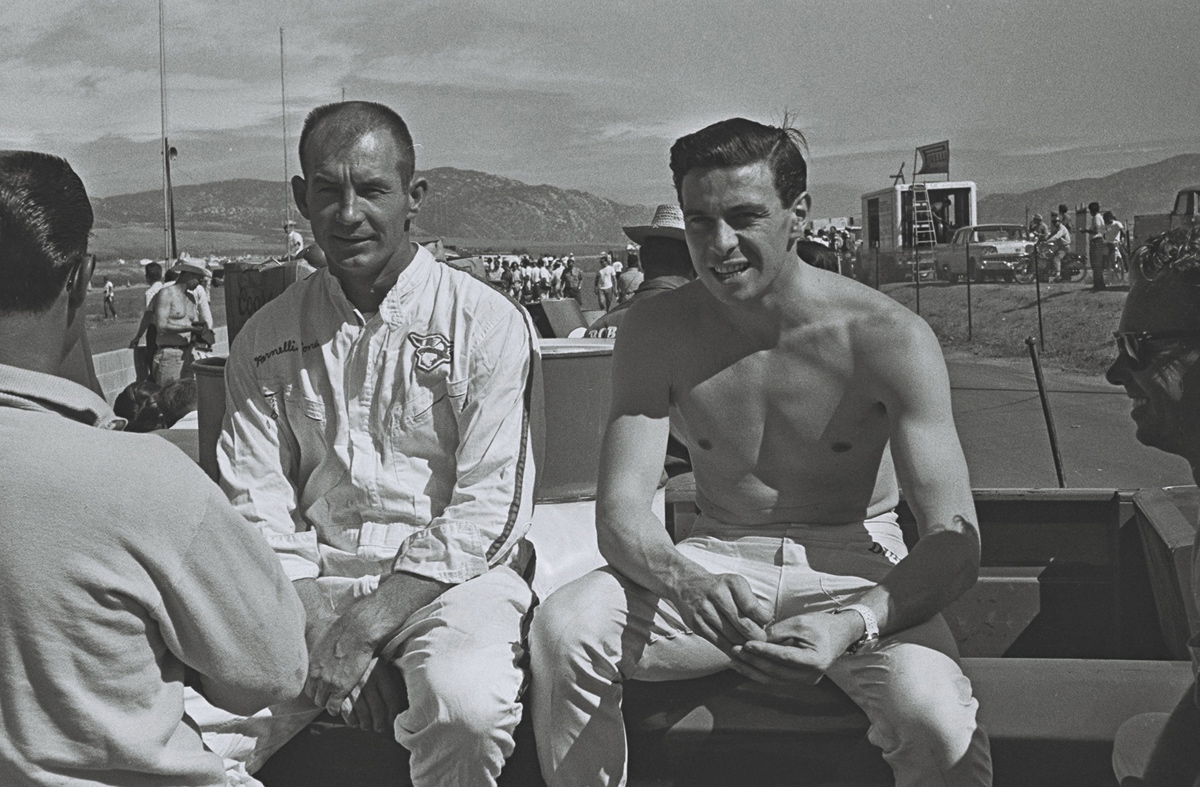
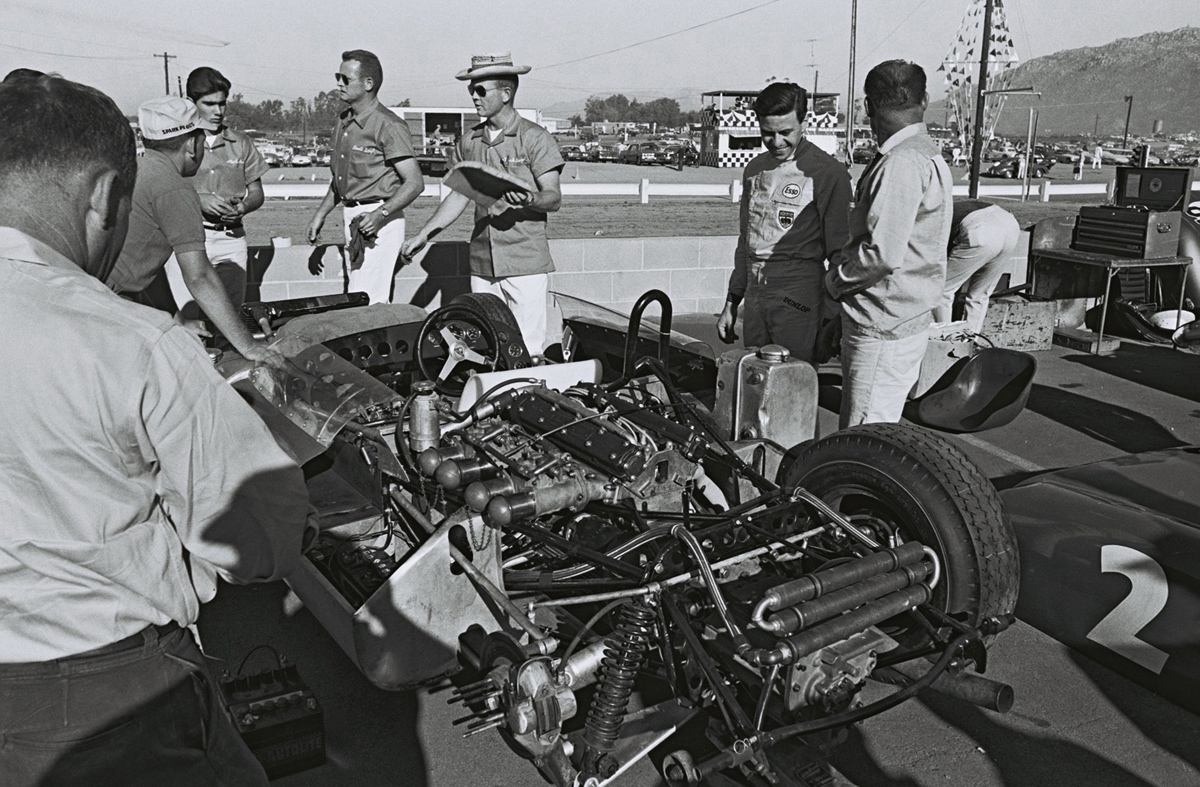
The 23 arrived late at Riverside, as befitted its virginity. Jim walked into the circuit in short-sleeved shirt and dark slacks, race bag in hand, in company with Parnelli, who was to race that other Arciero car – a new Lotus 23 fitted with a big Ford V8. Amazingly, and despite much work at the track, this entry was scratched, too. For Frank and Phil, this was probably the team’s darkest hour. Jim’s 23, though, fettled by the Ecurie Shirlee mechanics, was eventually ready for the last few minutes of practice. Jim qualified on the eighth row, alongside Jerry Titus, with a time of 1min 37.6, a second away from Mayer (who was the quickest 23 driver), Hill and Gardner.
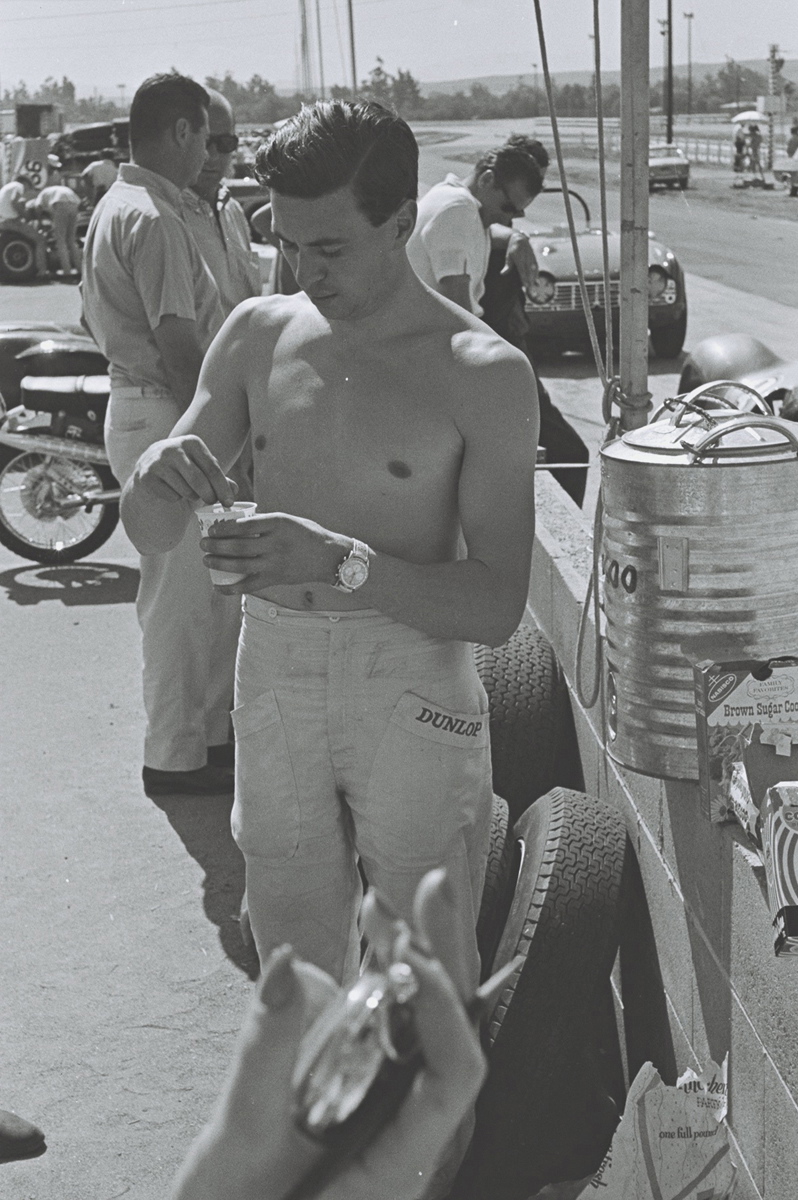
You can enjoy with race on the adjoining YouTube clip. It was hot and it was long. There were many retirements. Jim, in familiar Dunlop blues and peakless Bell Magnum, and with no seat belts, lost time at the start after a slight contretemps with Krause but gradually he worked his way through the pack to win his class and to finish fifth overall. His was a drive of svelte mechanical sympathy and wonderfully consistent pace. It was a World Champion’s drive, to be sure – all the more so because he was lapped several times by the race winner, Dave MacDonald. Regardless of the ignominy, Jim remained focused and calm. There was a job to be done. And he did it, despite (uniquely, amongst the top six) taking a precautionary, 23-sec stop for fuel on lap 58. He won $2,300 for winning his class and a further $100 from that Champion spark plug bonus sticker.
It would be remiss of me at this point not to pay homage to the very humble but amazingly-talented Dave MacDonald. With his goggle strap worn inside his gold helmet, in the American fashion of the time, and in white t-shirts and Levis out of the car, Dave was a crew-cut star who shone brightly for too brief a time. Look at some of the angles he creates in that Shelby King Cobra! Look at his aggression in traffic. Yes, Jim Hall led the Riverside race in his amazing, revolutionary Chaparral 2. Soon, though, Hall was lighting up a cigarette and walking back to the pits. Roger Penske was very quick in the 2.7 litre Zerex, despite no longer being allowed to sit centre-chassis. So was Dan Gurney in the smoke-stack Genie-Ford. Pedro Rodriguez continued to display all the flair that had emerged at Mosport and then at Watkins Glen. Bob Holbert was there. It was MacDonald, though, the former drag-racer, who stole the day. He lapped the entire field. He won $14,340 plus the Pontiac Pace Car.
Dave would go on to win..and to win. He won at Kent the following May. And then, a few days later, he was fatally injured in that fiery first-lap accident at Indianapolis. A great American talent was lost.
Jim enjoyed Riverside. In the papers the next day they described him as a “gentleman” –as “boyish and affable”. These weren’t the sort of adjectives you’d find regularly in the sports sections of The Times or The Daily Telegraph but in many ways the American writers got it right. There was much more to Jim Clark than the demure Scots farmer who in Europe was always seen in tandem with Colin Chapman. Here, in California, Jim was the new World Champion living a different sort of life. He was self-contained, a driver-entrepreneur living in the Space Age.
And he liked it, he mused, as he drove north in the rental car up to Laguna Seca.
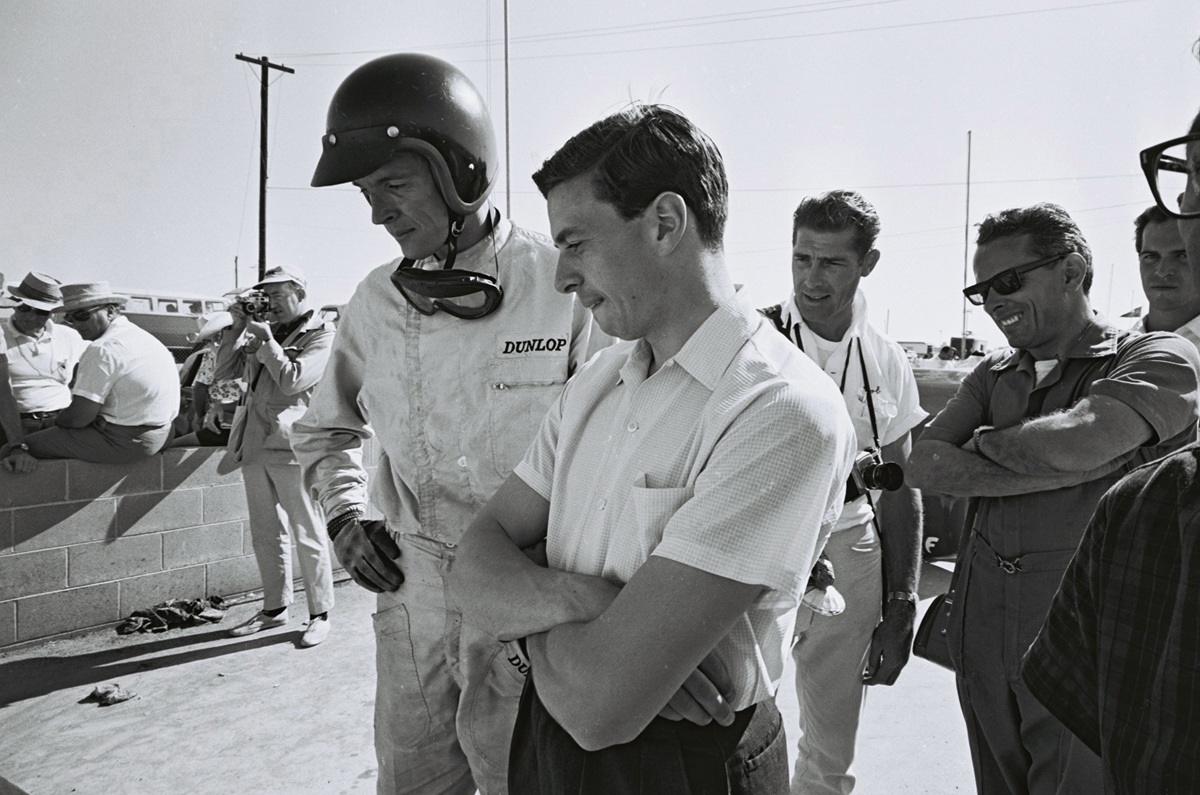
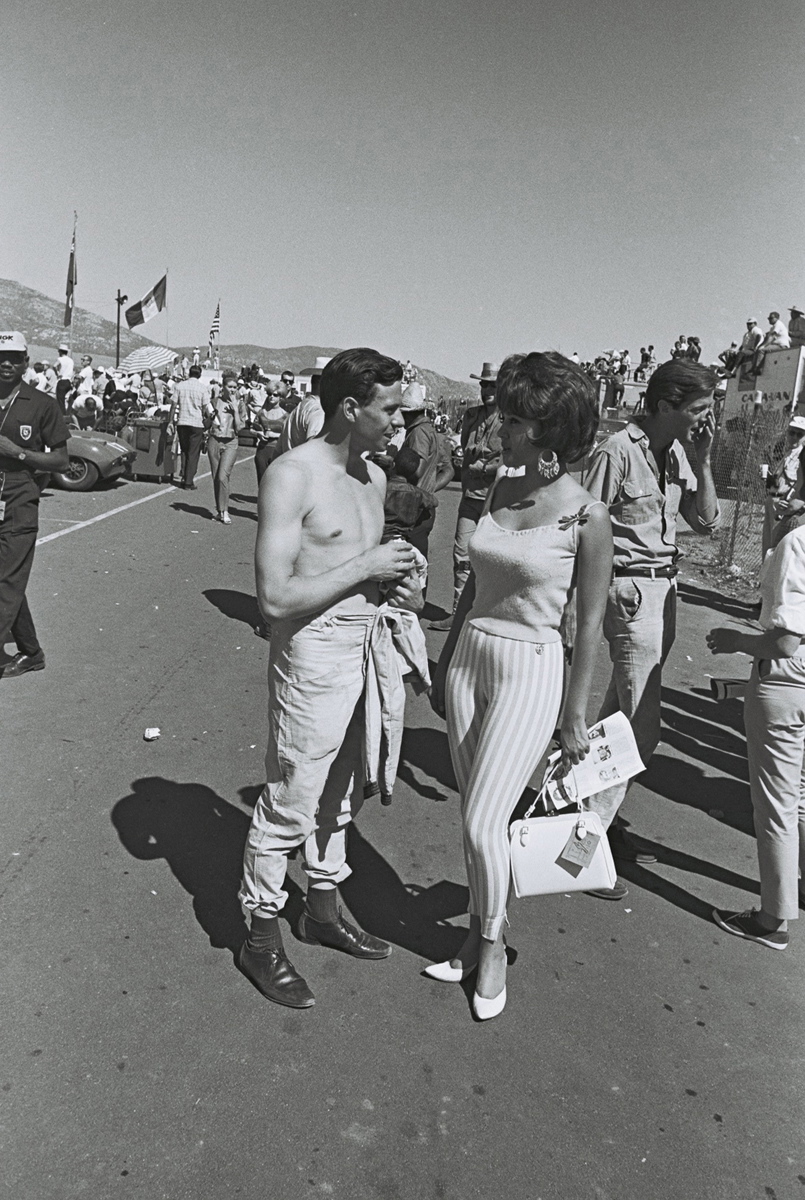
Captions, from top: Jim in the brand new Lotus 23B at Riverside, 1963; team-mates (almost): sitting on a pick-up truck by the Riverside pit wall, Jim hides his Arciero disappointment with Parnelli Jones; Jim even manages a smile as he stands by the Arciero Lotus 19-Climax, knowing that he’s going to need to find another drive; while awaiting the Ecurie Shirlee 23B, there was plenty of time to look and see. Here he shares a moment with Dan Gurney, stops for a cuppa and chats to the natives; Bob Challman’s Manhattan dealership as it is today – an Enterprise car lot; Jim in the 23-Ford. Note the angle of the front wheels and the steering lock. There’s a nice drift going on here Below: it was a long, hot afternoon. Here he is post-race with the Champion man, learning about his finishing bonus Graphics: from the collections of The Henry Ford; http://www.thehenryford.org
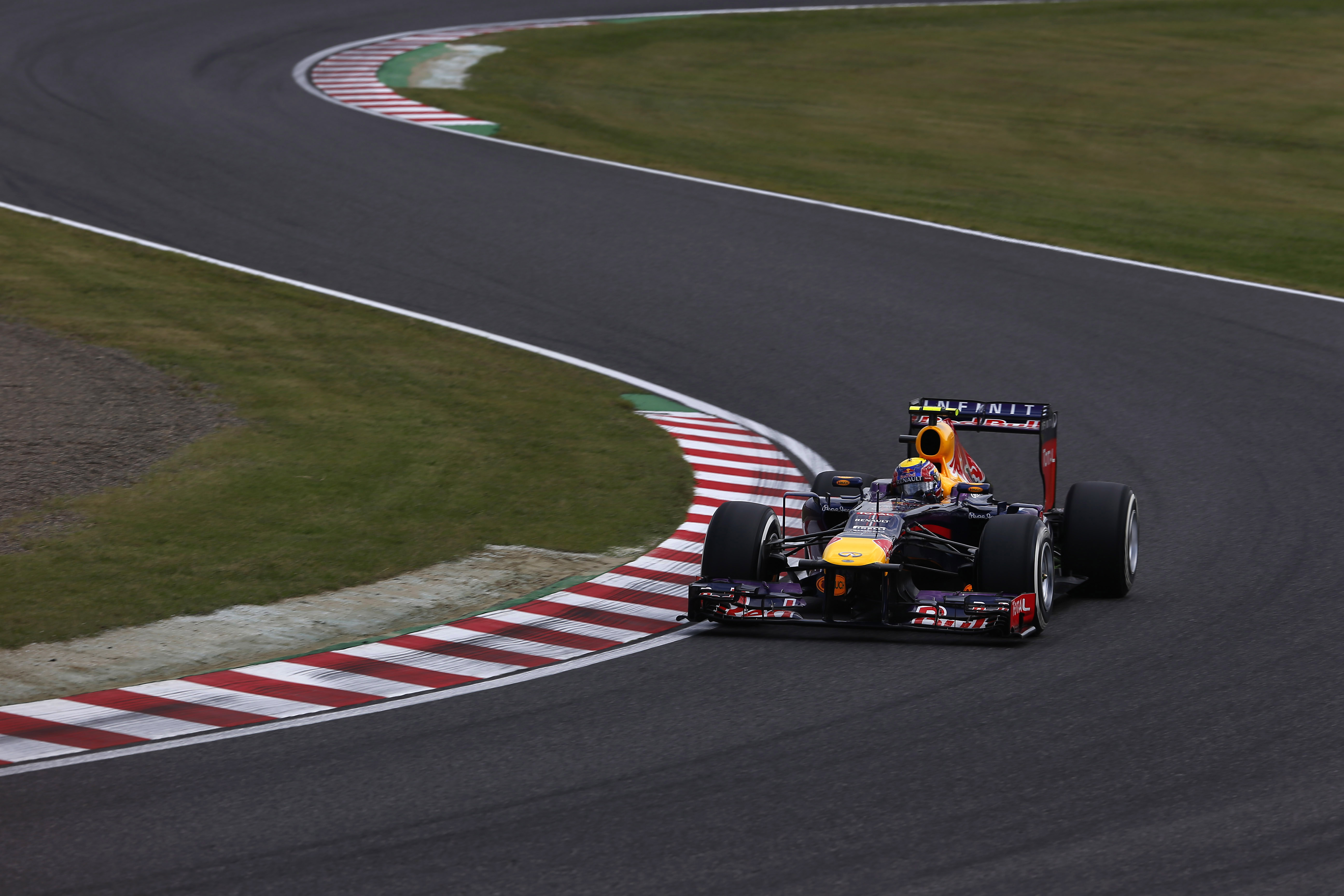
It’s always a pleasure to watch the uphill Esses section at Suzuka during qualifying – particularly during qualifying because race conditions frequently restrict a driver’s pace and movement to the car he is following. In qualifying, though, when usually the air is free, it is different. And, for the most part, they’re all trying pretty hard.
I love this section of road not because of one particular corner, although Turn Six is, of course, critical: a perfect exit from T6 sets you up nicely for the straight that leads down to the two Degnas. I love it because it is impossible to be perfect through T6 unless you correctly manipulate the exit of T2, T3, T4 and T5. The usual errors are to be too quick in these preceding places. We saw Nico Hulkenberg be consistently so on all his runs: he was either a fraction too fast out of T2 or having to use too much road out of T4. He caught it all, of course; Nico does that. In a millisecond, though, he had “asked too much of the car”. Additional energy had poured into the loaded front or rear Pirelli (depending upon steering angle). Momentum, fractionally, had gone.
Romain was similarly slightly-over-the-top. He has this sumptuous way of being able to use the rear of the car to re-set the values but, in doing so, he also creates too much excess energy. He’s got torque and twist going on at the rear in the middle of, say, T4; the E21 looks perfectly-poised…but in reality it’s not “flat” on the road. It’s a subtle thing, only visible when you see the car on the corner as a whole. You’d never touch it via the on-boards or via close-ups. Kimi? Kimi on Saturday to my eye looked to be a slightly edgier version of the real one. He never demanded too much from the tyres but his inputs seemed strangely more angular than usual. Perhaps it’s just a Kimi thing these days: the “real” guy gets out of bed on Sunday.
I’ll talk more about all this on next week’s show. Here, I’d like to say “chapeau” to Mark Webber. He consistently – from Friday onwards – found exactly the right balance between short-term, up-the-hill pace and perfection by T6. This was classic Webber, back where he used to beat Seb on equal terms. No pesky, dumb, chicanes; no boring corners. (The Suzuka Chicane, with it’s downhill, open-space approach, is actually quite an interesting section of road: the key, after the rush of 130R, is not to brake too early.) Just a lovely section of medium-speed road with blind entries. Lewis similarly threaded the needle – and so, but to a slightly lesser extent, did Seb Vettel, Jenson Button and Valtteri Bottas, although Jenson seemed to want a little more from Ts 4 and 5 than they were ever going to give him. Perhaps that’s why he later described his laps as “fun”. I also liked Lewis’ “feel” for the wind change on Saturday at Suzuka. Trust him immediately to use this to his advantage; trust some others to use it as some sort of explanation as to why they were less-than-perfect.
Image of Mark Webber, Suzuka, Saturday, October 12: LAT Photographic
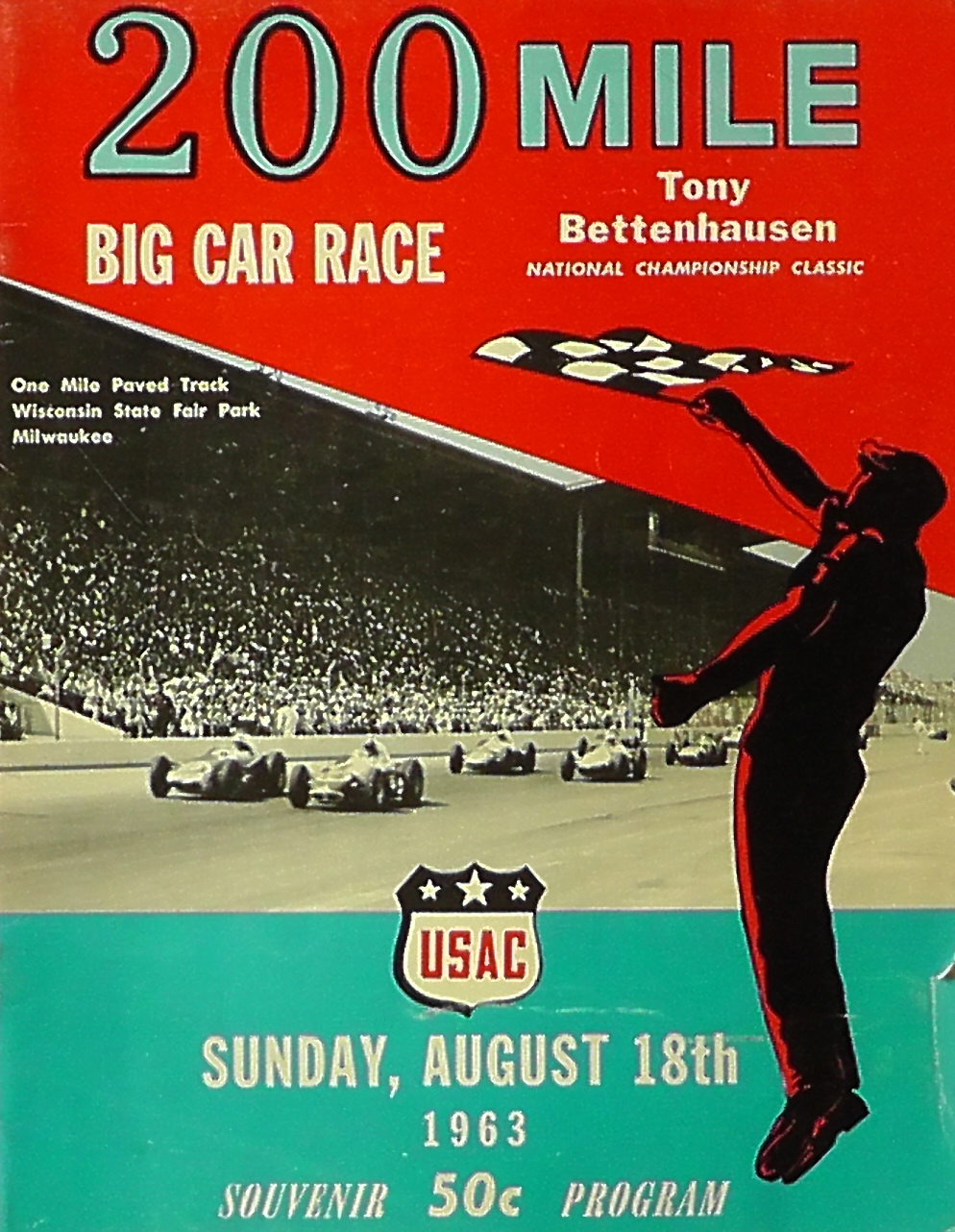
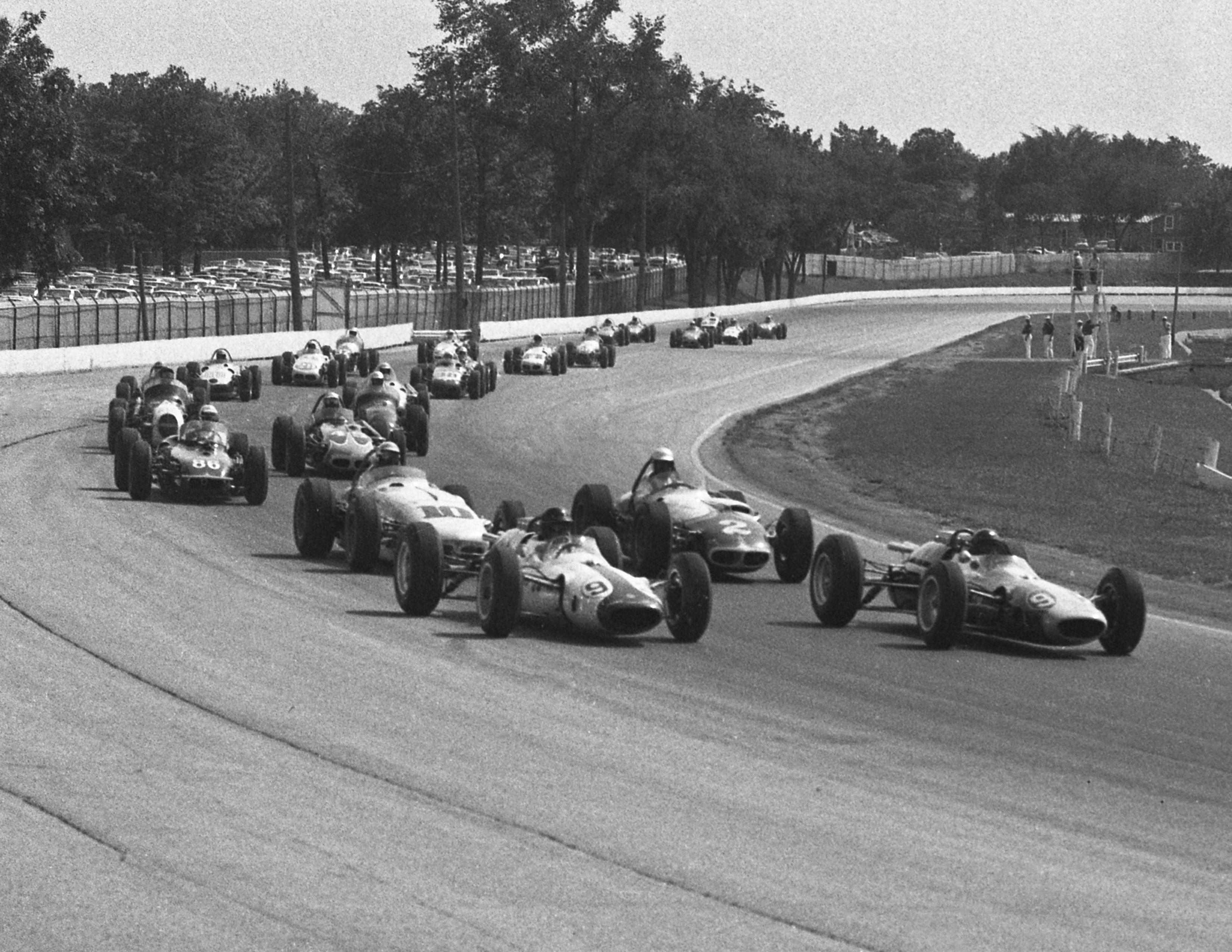
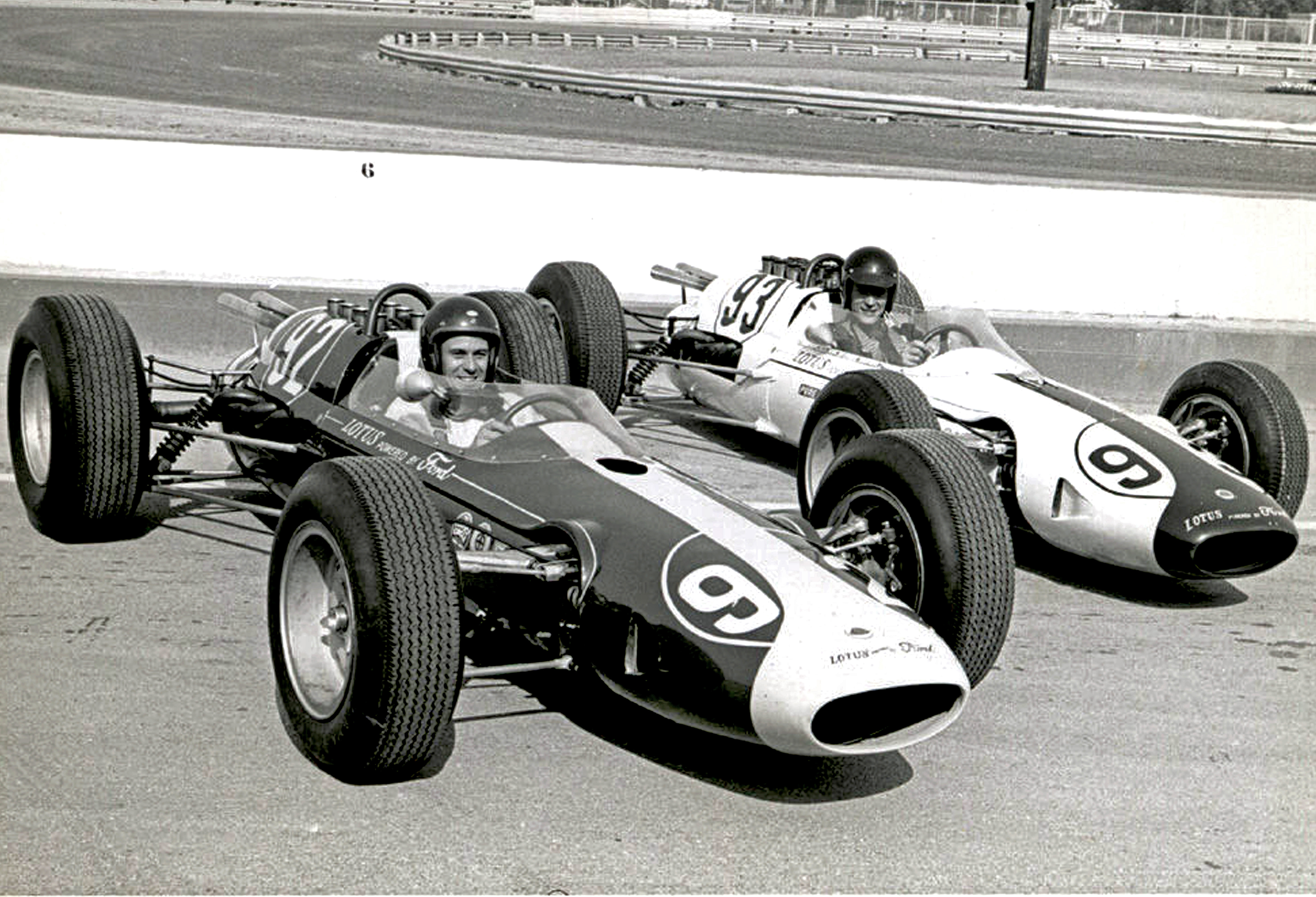
With that excellent Milwaukee July test behind him (see “Jim Clark, Delicately Poised”), Jim flew with Dan Gurney and Colin Chapman to Chicago on Wednesday, August 14, 1963, for the 200-mile Tony Bettenhausen National Championship Classic – Jim’s second oval race in America. The Milwaukee Mile was already a part of American racing folklore and this race, the biggest of the year on that track, was named after the superquick Indy driver who had died in a testing accident at Indy (caused by a suspension failure) in 1961. By now, the Lotus 29-Fords had become the major talking-point in American racing circles. Jim hadn’t won Indy; and many, amazingly, remained front-engined proponents, AJ Foyt and Parnelli Jones firmly amongst them. On the other hand, the might of the Ford Motor Company was now pouring money into its race programmes, and it was no secret that several customer teams would be chosen for 1964. The American view at the time was that Ford were allowing Lotus – “those British guys” – to build a car around the brilliantly-developed 4.2 litre V8 pushrod engine. Key American journalists even referred to Jim’s car as a “Ford-Lotus”. For his part, Jim was happy to go along with it all. Although he could live without the attention and the fanfare, he was impressed not only by the challenges of racing in America but also by the prize-money. He expected nothing on a plate – but he liked the idea of being rewarded for a job well done. This was in stark contrast to Europe’s start-money system, which engendered reasonable retainers for the drivers but relatively small prize funds.
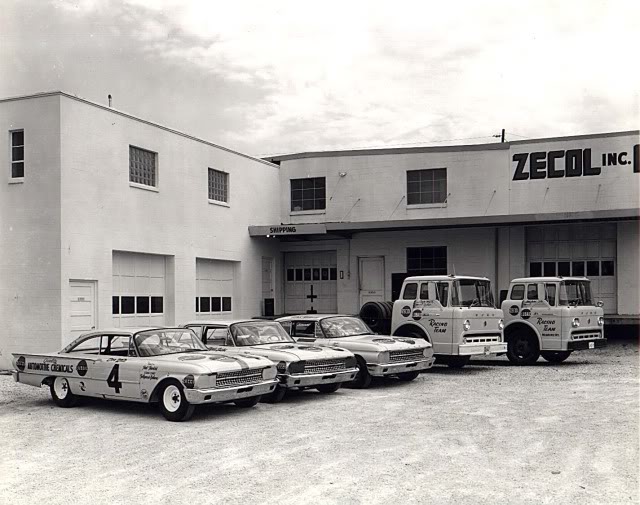
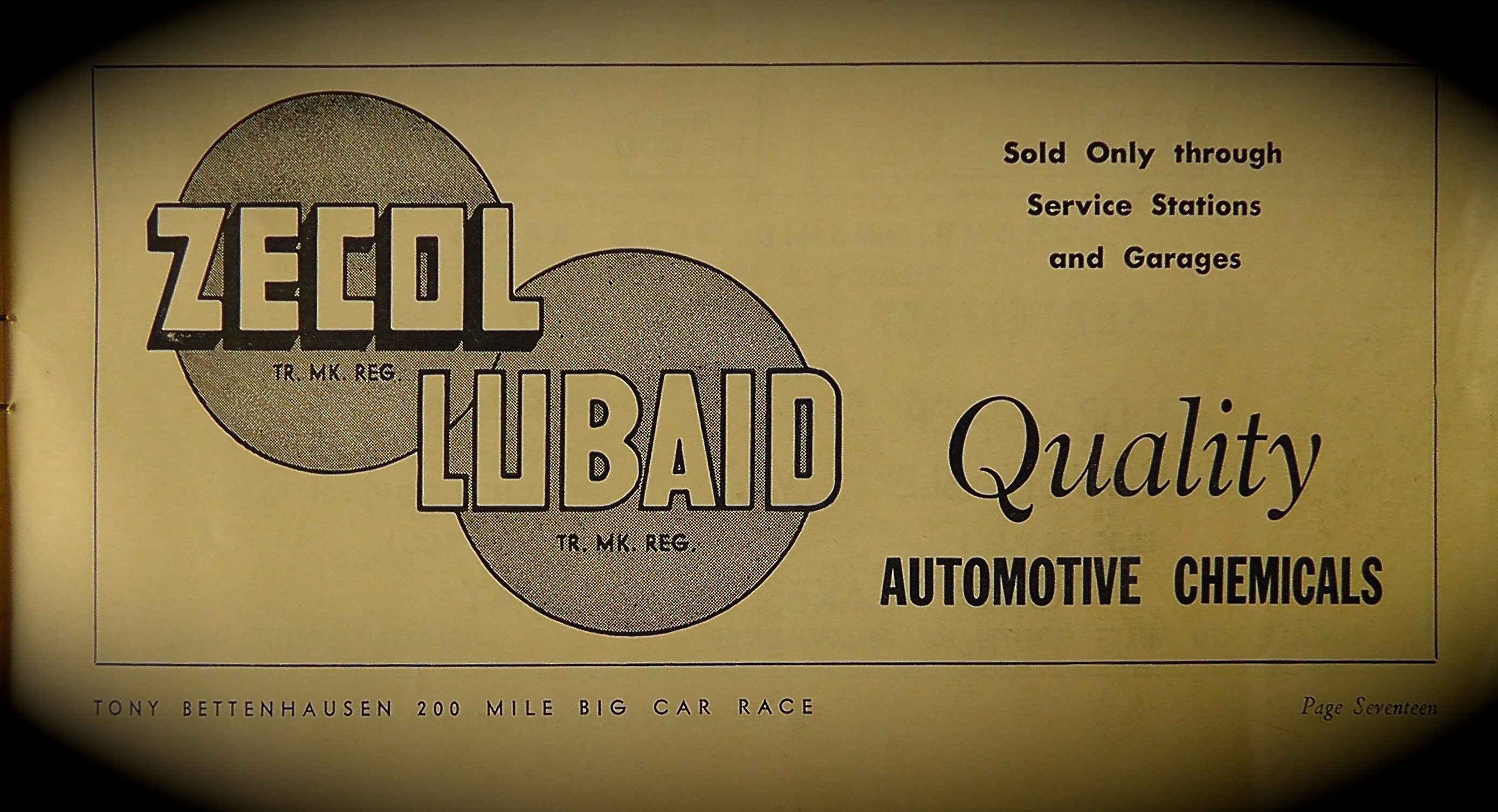
The 29s for this race were housed nearby at Bill Trainor’s Zecol “Lubaid” (as in “lubrication aid”) garage favoured by NASCAR teams. Both cars raced with the softer-compound Dunlops (as distinct from Firestones or Goodyears) but ran with different carburettor layouts: Jim used the only set of 48mm Webers (mounted longitudinally) available, Dan the older 58mm Webers (mounted laterally). Bottom line: Jim dominated practice, qualifying and the race but Dan could only finish third, hampered hugely by fuel-feed problems caused by surge on the lightly-banked turns. AJ Foyt finished second in his venerable roadster, with Jim resisting the temptation to lap the American star in the closing stages. “I had a field day,” Jim would recall in his autobiography. “I found I could run tight, round the inside of the circuit, and I used this to get inside the big Indy cars and beat them along the straights to the next corner. In this way I lapped everyone except AJ Foyt in second place with his Meyer-Drake special. Towards the end of the race I came up behind him but decided not to lap him because that would have been rubbing it in too hard. Already the Indianapolis designers were off to build new cars for 1964 due to our efforts!”
All this is relatively well-known. Much more difficult to find are photos from that Milwaukee race. I wrote, therefore, to David Hobbs, the very quick and successful British driver who today lives with his family in Milwaukee. David recommended that I contact his dear friend, Russ Lake. Although not a professional in the sense of relying solely on motor sport for his livelihood, Russ is by any standards a “true pro”. He has eaten, slept and captured American motor sports on film for going on 50 years. And, yes, he had some pictures from Milwaukee, 1963.
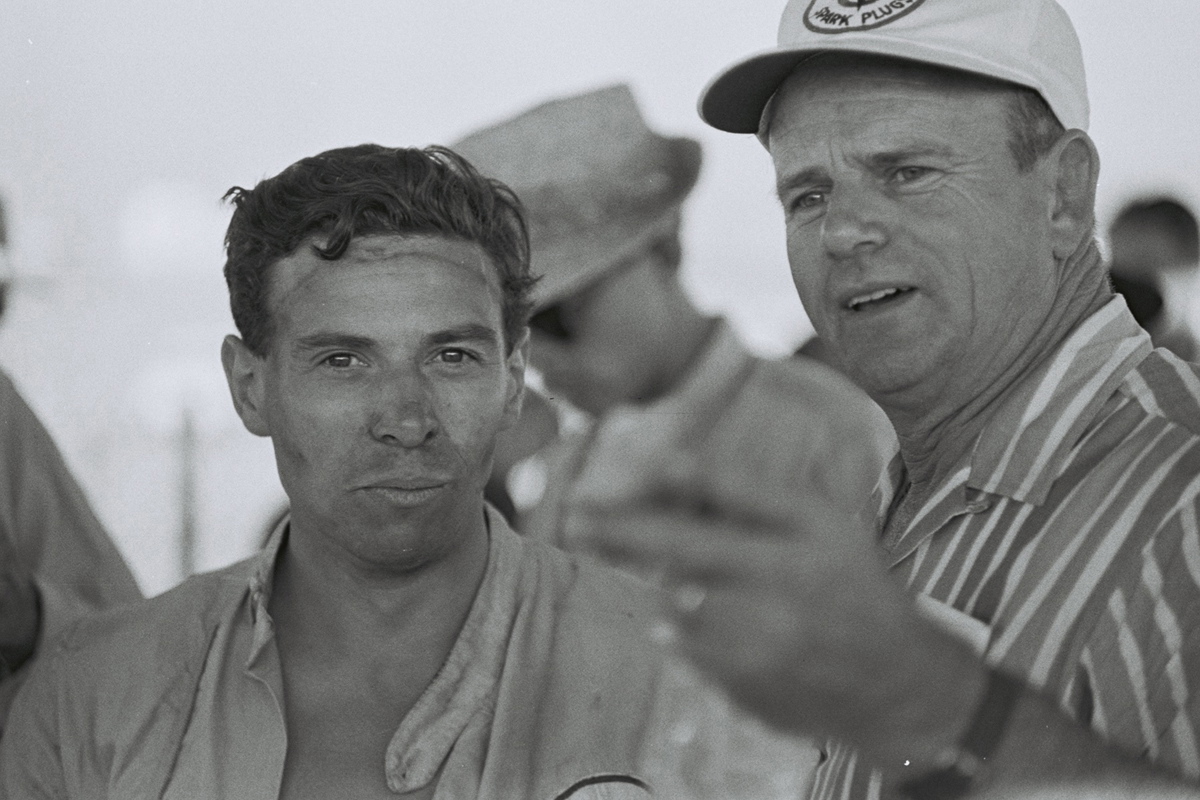
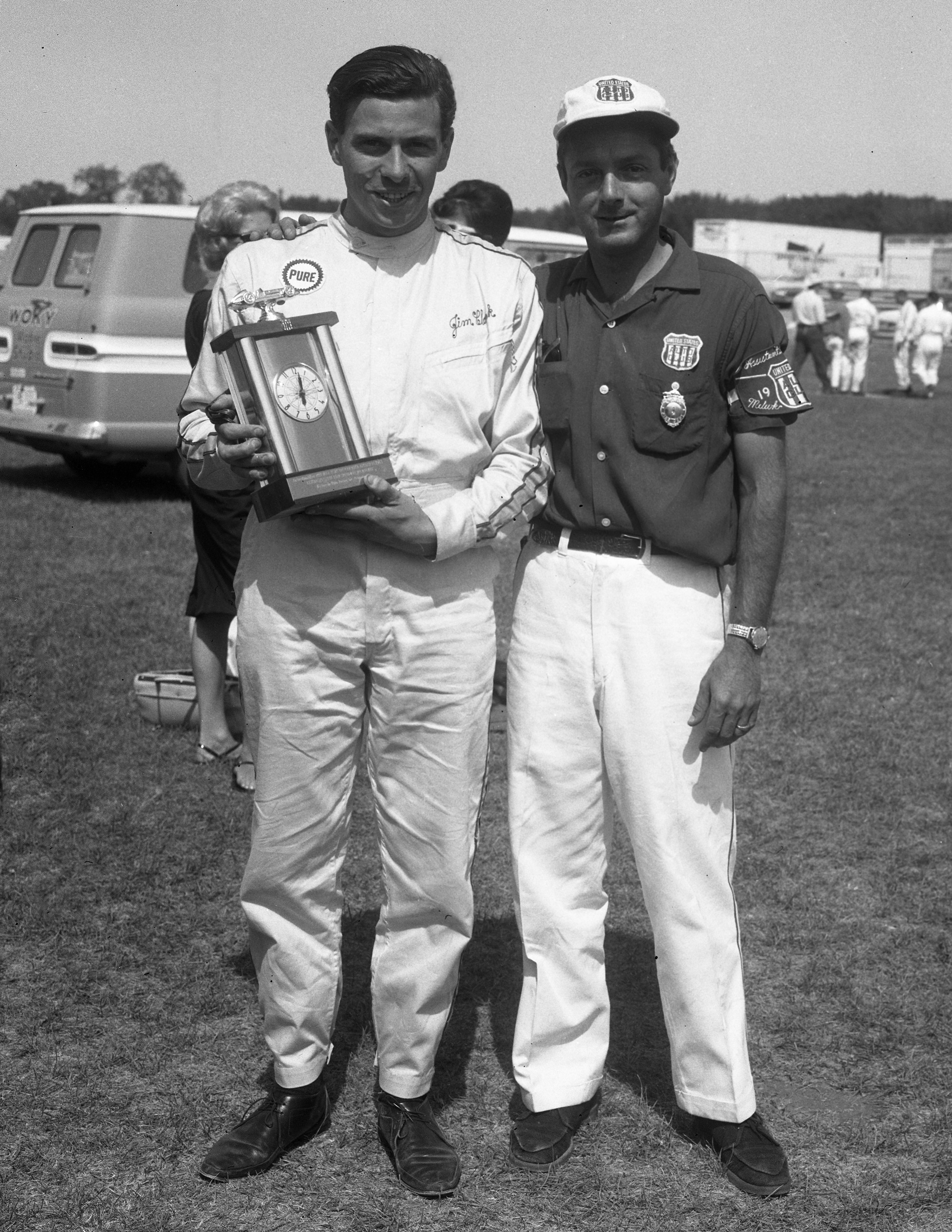
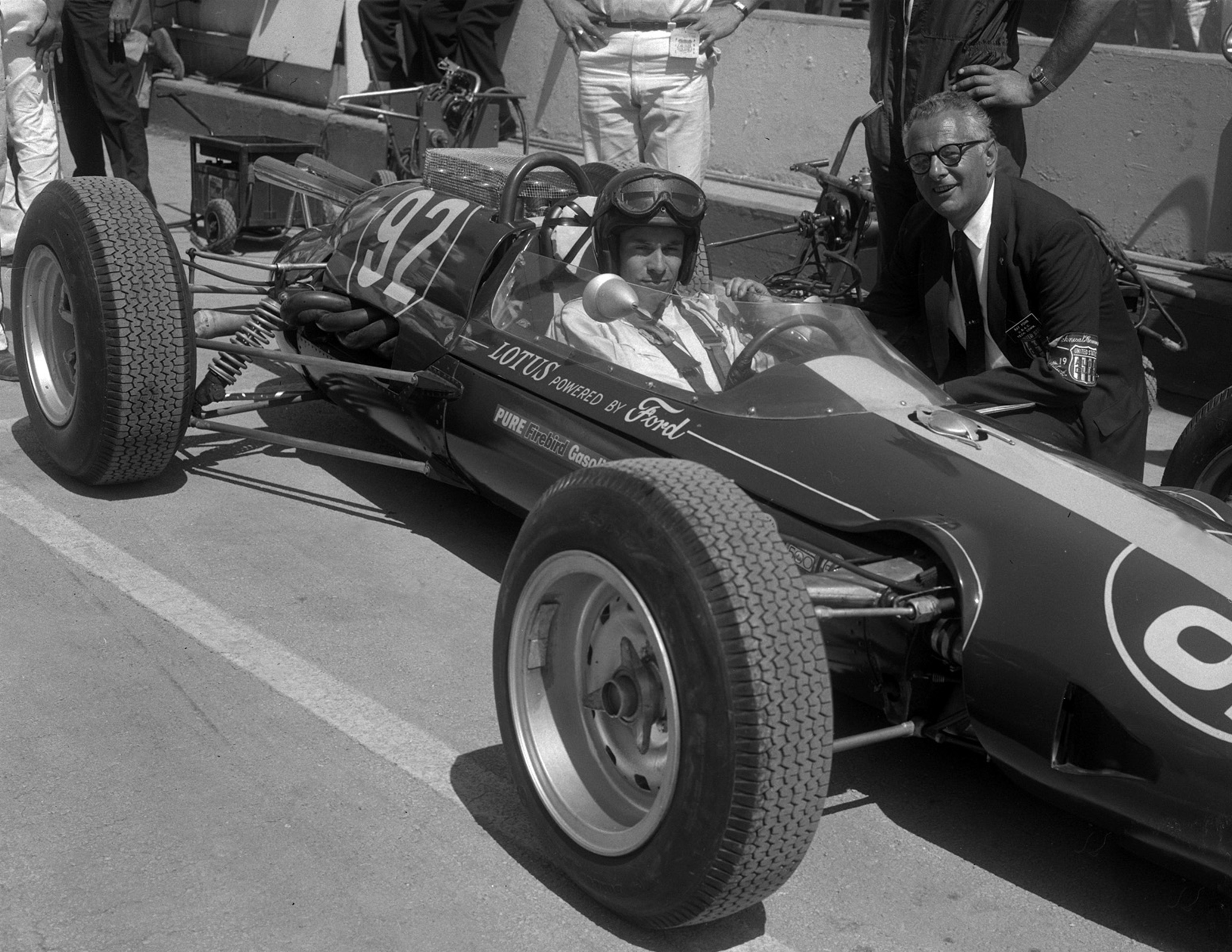
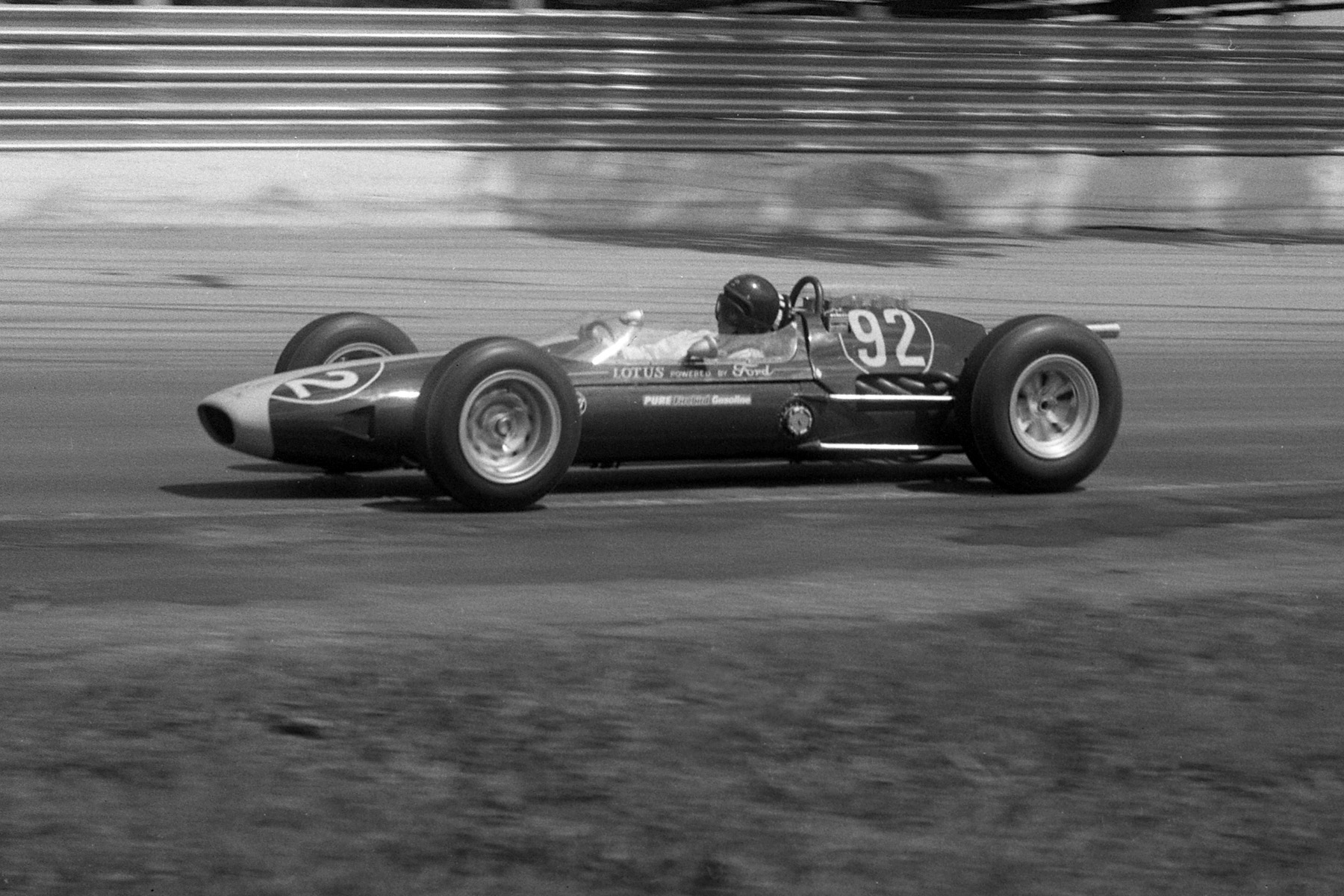
You can see them here – Jim accepting his pole award, or in the car, side-by-side with Dan. Jim in the pit lane. Jim mid-corner, head leaning to the left, arms nearly straight. Study them closely. Remember that the Clark you see here is the driver who has just won the Belgian, Dutch, French and British Grands Prix, has finished a fighting second at the Nurburgring, and who has flown to the States almost directly from his win in Sweden. Look at his Westover driving shoes – slightly tatty and worn from driving the Lotus 25s, the Galaxy, the Lotus 23Bs and the Indy Lotus 29s. He wore his Hinchman overalls in Milwaukee – minus Firestone logos – and raced with his now-customary peakless Bell (unlike Indy, where he wore the white peak). Note, too, the “Pure Firebird Gasoline” stickers on the sides of the cars (instead of the Pure roundels), the gauze filters over the carburettor inlets, the pad taped to Jim’s headrest to support his neck and the Dunlop wheels on the front (and Halibrands on the rear). All these details were different from the Indy spec; and – again – a big thanks to Russ Lake for enabling us to see them – in my case certainly for the first time.
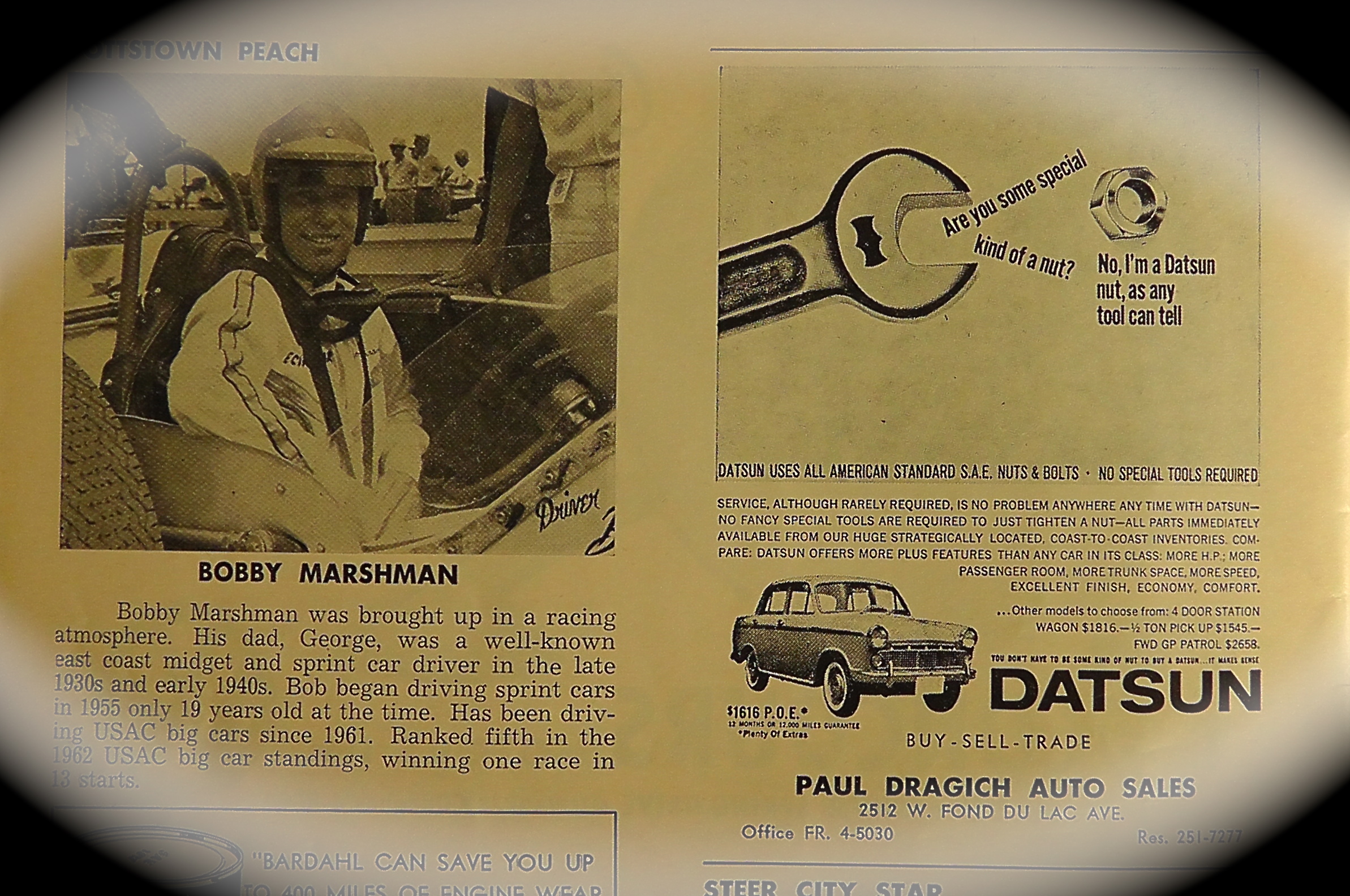
Jim’s winnings totalled $44,225, boosted massively by the lap prizes on offer from such companies as Augie Pabst Motors, Flambeau Motor Repairs, Hoosier Beer Cats, Datsun, Golden Slipper Lounge, Dunkels White Oakes Inn, Zecol Inc, Banner Welder Inc, Baumgartner Imported Cars and Ben Shumow Used Truck Sales. In addition, Jim received winner’s bonuses from Autolite, Champion, Monroe and Willard Battery.
Jim loved his motor racing – loved driving and also loved learning about it in all its forms. When AJ Foyt and Rodger Ward invited him to the Springfield sprint car meeting on the Saturday afternoon of Milwaukee, therefore, he instantly accepted. Dan and Colin also came along. Remembers Jim: “AJ, whom I knew quite well by then, shouted, ‘Hi Jimbo! How’s about bringing the Lotus out for this type of race?’ The race was hair-raising and looked dangerous as the drivers power-slid their cars round in great style. When I was asked if I wanted to have a go, I, for once, declined, but this racing was really a spectacle.”
Below, I’m delighted to be able to embed some video footage of that 1963 Springfield race, complete with glimpses of Jim, Dan and Colin having fun in the paddock area. You’ll see them at the start and then there’s another shot of Jim near the end, stop watches in hand, absorbed by the proceedings. He was close to AJ Foyt and to Rodger Ward, and so he would have enjoyed this race immensely. Note his official pass, dutifully worn, and his Lotus green polo shirt. (Only the first half of the video is from Springfield but I recommend you watch it in its entirety.) Watch, too, for the brilliant Bobby Marshman. He’s at the start of the video, showing Jim and Dan around his sprinter, and he’s out there, leading the race, when his engine fails. He impressed Jim and Colin, of course, and the following year he would race Jim’s 1963 Lotus 29 at Indy (repainted red-and-white, sponsored again by Pure and entered by Lindsay Hopkins). Bobby led Jim in the 500 before running a little too low on the banking and damaging the sump plug. Chapman thereafter resolved to include Marshman in upcoming Team Lotus US race programmes and perhaps even to give him an opportunity in Europe. Very sadly, though, Bobby was killed in a Firestone testing accident at Phoenix late in 1964.
Postscript: Immediately after Milwaukee Jim flew to Newark to test the 29 on the Trenton 1.5-mile oval in the New Jersey State Fairgrounds. Trenton was more banked than Milwaukee and very quickly, on an empty circuit, with only the Team Lotus boys on hand, the 29 ran into handling problems. Jim then hit the wall when a steering arm broke. He was unharmed and resolved immediately not to allow himself to fall into the Lotus “fragile” syndrome. “I didn’t put this down to Colin Chapman,” he would say later, “because at that Trenton test we were running tyres unsuitable for the banking. To his credit, though, Colin not only changed the steering layout on that car but he also came straight back and changed all the F1 cars, even though we had been running for five years and had never had one break before.”
Captions, from top: Jim accepts the clock trophy for pole position from USAC’s Ray Pohn. Note the roadster atop the timepiece; the Zecol Lubaid garage where the 29s were based in Milwaukee; Jim in pit lane; Jim in action; Jim and Dan lead the field towards the green flag; and a nice one-three for Team LotusPhotos: Russ Lake
 It was the 1960s…but the schedules – and the demands – were no less than today’s.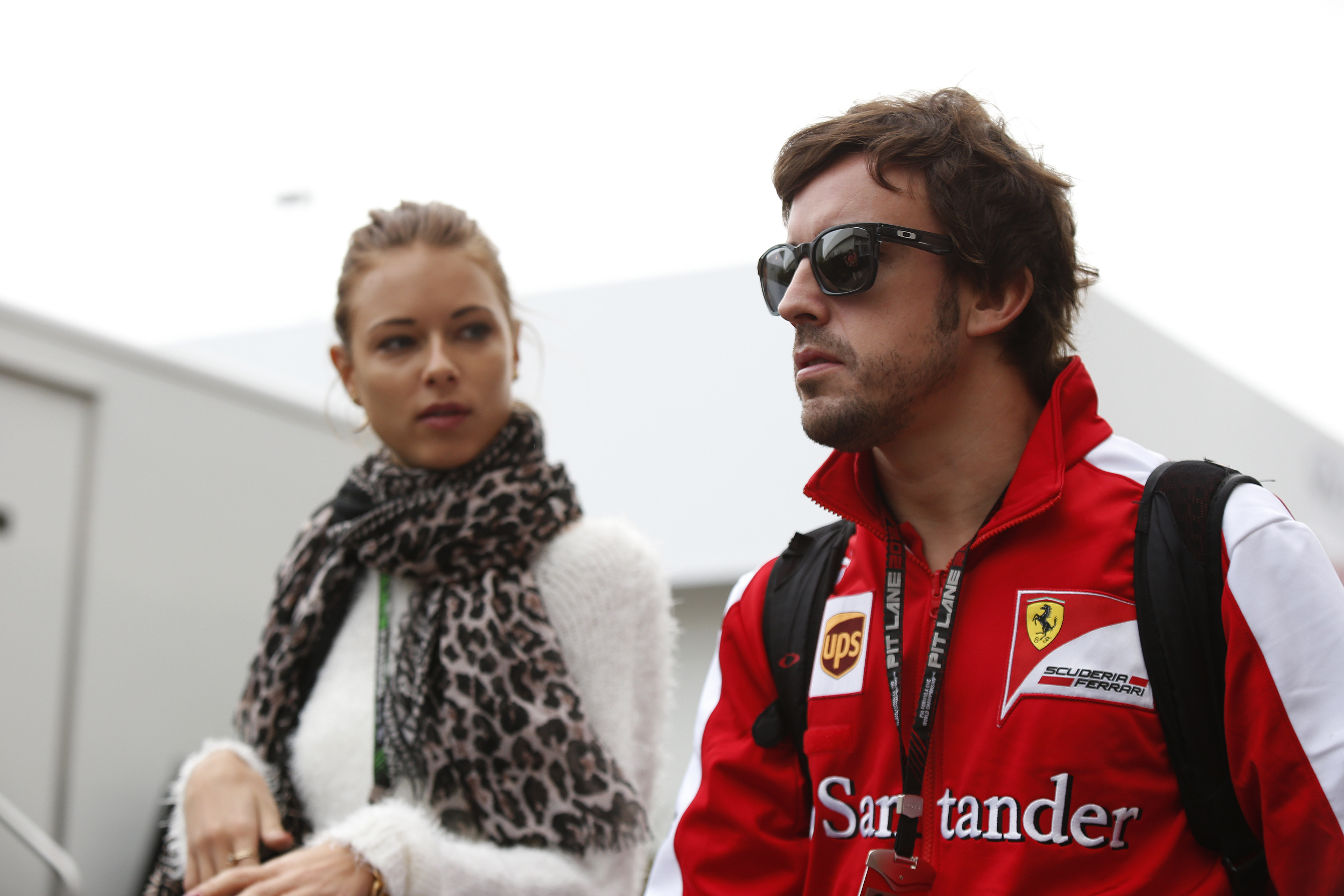










 peterwindsor.com