peterwindsor.com

…chance doesn't exist; there's always a cause and a reason for everything – Elahi

Archive for the tag “F1”

Pirelli react to the BCN pit-stop plague

Modified the Pirelli hard tyre may have been in Barcelona; still, though, F1’s monopoly tyre supplier is planning further changes from the Canadian GP onwards. How Monaco will work out in the interim, with the soft and super-soft in use, remains an unanswered question.  This was the statement issued today by Pirelli.  Note that the thrust of the piece reflects Fernando Alonso’s four-stop strategy.  LotusF1, and Kimi Raikkonen, who managed to split the Ferraris with a nice three-stop run, do not get a mention…

Milan, May 14, 2013 – This year’s Pirelli P Zero Formula One tyre range will change from the Canadian Grand Prix onwards, using a revised construction. 

The move follows the Spanish Grand Prix, which had four pit stops per driver. The new range will combine elements from the 2012 and 2013 tyres to have both durability and performance. 

Pirelli’s motorsport director Paul Hembery said: “Our aim is to provide the teams with a new range which mixes the stability of the 2012 tyres and the performance of the current ones. As a company, we have always moved quickly to make improvements where we see them to be necessary. After evaluating data from the first few races this year, we’ve decided to introduce a further evolution as it became clear at the Spanish Grand Prix that the number of pit stops was too high. The Spanish Grand Prix was won with four pit stops, which has only happened once before in our history. These changes will also mean that the tyres are not worked quite as hard, reducing the number of pit stops.”

With limited testing time, it’s clear now that our original 2013 tyre range was probably too performance-orientated for the current regulations. However, having identified this issue, we’re determined to rapidly resolve it. It’s worth underlining that the current regulations for winter tests limit the opportunity to test the tyres under the same conditions as the race season because of the lower temperature and restricted time. The Teams are of the same opinion as we are in wanting longer testing times and different locations for the next tests. We developed the 2013 tyres on the basis of careful simulations that were, however, not sufficient, taking into account the improved speed of cars (up to 3 seconds per lap). 

We’ve also taken this step to avoid the delaminations that were caused by track debris. It’s important to point out that these delaminations, which occur when the tread comes off, do not compromise the safety of the tyres as the core structure of the tyre is not affected in any way, helping drivers to complete the lap and to change the damaged tyres safely. These delaminations were due to damage from debris that overheated the tread.   We’d like to thank all the teams for their continued and extremely valued support as we worked with them to identify the correct compromise between the pure speed that makes us the world leader in the Ultra High Performance sector and a global spectacle that is easy for Formula One fans to follow.” 


Hard changes for Pirelli

I guess, after the flak they have received in recent weeks, that it is no surprise to see Pirelli making a compound change at this point of the season and at this point in the build-up to the Spanish GP.  I’m surprised, though, that the change involved their orange (hard) tyre and not the much-maligned (yellow) (“one-lap”) soft tyre that will next be seen in Monaco.

Pirellis’ official statement says that “this latest version of the hard compound is much closer to the 2012 tyre, with the aim of giving the teams more opportunity to run a wider range of strategies in combination with the other compounds, which remain unchanged”.

As far as I understand it, the main change from 2012-13 was not actually to the stickiness of the hard tyre but to its operational range – ie, the working range was “lower” last year – “lower” as in a lower temperature window of operation.  The 2013 hard tyre, with a “higher” working range, has been more prone to graining and wear “below” the window – and it is this problem that Pirelli are endeavoring to fix.

On the basis of Bahrain, one could conclude that this change isn’t necessarily good for LotusF1 (which found its way nicely into the hard tyre’s high working range without any graining issues) and also for Force India.   For Mercedes and Ferrari, meanwhile, this latest change might be an improvement.  There’s now more chance, in summary, for more teams to find some sort of sweet spot on the hard tyre (which is being used in conjunction with the medium in Spain) than was the case in Bahrain.  (In both races, the compound selection was/is hard-medium).

The soft tyre, meanwhile, remains unchanged – which, as I say, is a surprise.  That tyre will be used at Monaco (in conjunction with the supersoft) so the outcome there is anyone’s guess.   One presumes that the soft around the streets of Monaco will assume the role of at least the medium, if not the hard – and that the supersoft could be the equivalent of the soft in China.  All of which means that there should be plenty of pit stops in the over-crowded Monaco pit lane (if that is what you want) and that qualifying at Monaco – already knife-edgy because of the nature of the circuit and the problems posed by traffic – will have the added element of one-lap tyre perfection.  Don’t be surprised, therefore, to see several drivers using the prime tyre in Q3 at Monaco – as Sebastian Vettel did in 2012.


The win that Clark tried to share

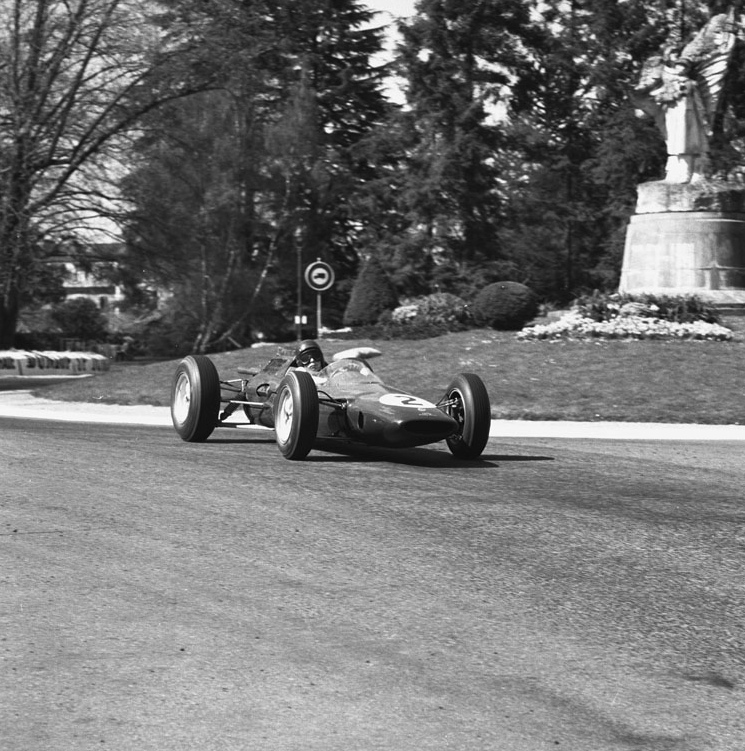
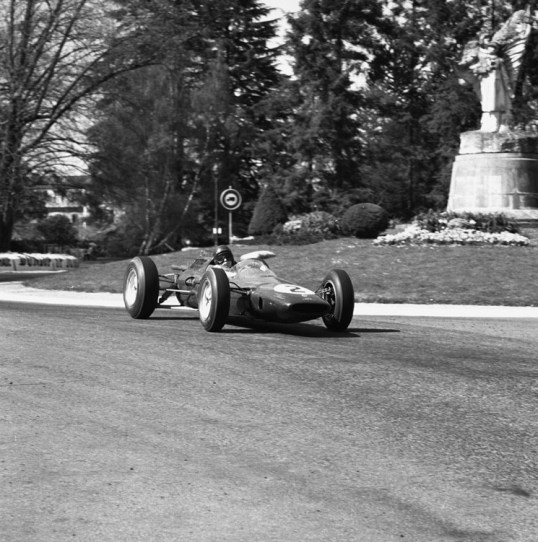
18275.tifAnd so Jim Clark’s 1963 season begins to gather pace:  after a further few days at Edington Mains, Jim set off for his two-week trip to Southern France and then Italy.  Ian Scott-Watson drove him in the factory prototype Lotus-Cortina to Edinburgh airport, where Jim flew first to London – in a turbo-prop BEA Vickers Vanguard – and then on to Pau.

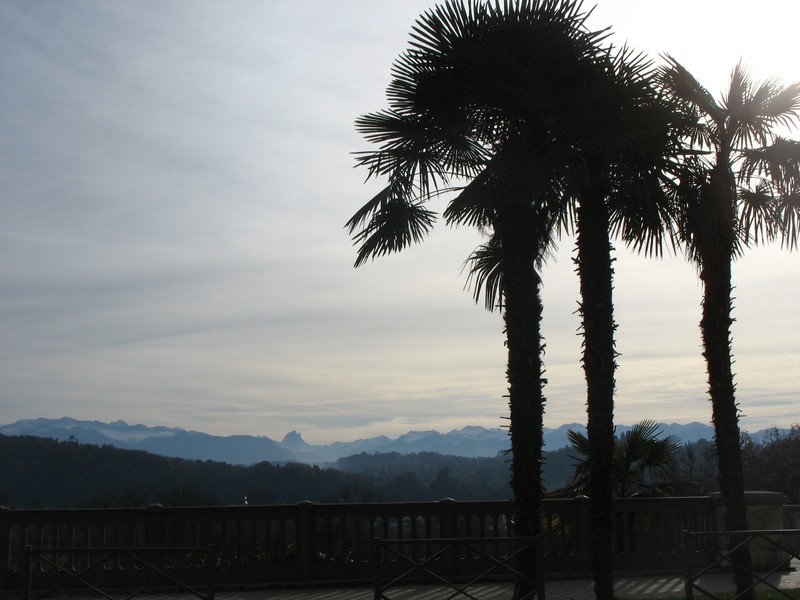
The warmer Mediterranean weather was a pleasant change from the rigours of the British winter.  There was a carnival atmosphere about the town this second week of April – partly because Pau was hosting an F1 race in its own right, with its own heritage and character;  partly because the race would be run on a public holiday – Easter Monday (April 15); and partly because, from the standpoint of Team Lotus, this weekend was effectively a demonstration run.  The opposition was negligible, for all the major works teams (bar Ferrari, who were busy on their Michael May-inspired fuel-injected semi-monocoque cars for John Surtees and Willy Mairesse) were racing at Goodwood in the Glover Trophy.  Once down near the Pyrenees, though, reality set in:  opposition or not, the works Lotus 25s were facing a 100-mile race in demanding track conditions.  Even as practice began on Saturday, the public roads began to melt and then to crumble.  The weather stayed warm; the crowds expected a speed-fest.  As it happened, the track grew slower and slower and increasingly treacherous…

Jim (in the Lotus 25 he had last raced in South Africa, at the end of 1962) nonetheless took an easy pole after two days of practice. Such was the potential danger of the stones, though, that he fixed masking tape over his nose and upper lip for the race.  He again wore his trusty Everoak;  his Panorama goggles were fitted with dark lenses for his exploits in the golden spring sunshine.

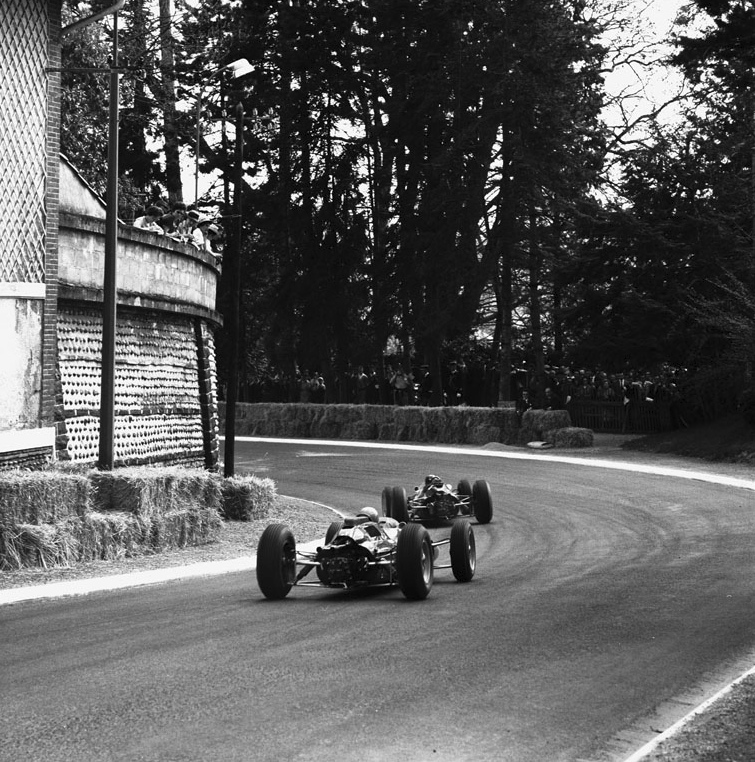
Trevor Taylor, Jim’s team-mate (in the 25 Jim had raced at Snetterton) actually led away from the line but – as great team-mates do – he backed-off before the first, fast right-hander to give the lead to Jim.  1963 Pau Grand Prix.Jim responded – then slowed down a little for Trevor.  And so it went on.  The crowd drank their wine, ate their baguettes, took their naps – but always, when they raised their heads to watch the leaders, there were Jim and Trevor, having fun, swapping places and demonstrating their skill amidst the rubble and the marbles and the frequently-waved yellow flags.
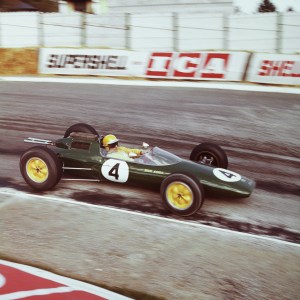
Who would win?  Trevor (right) was happy to cross the line right behind his team-mate.  Colin Chapman would be impressed – and Trevor was keen to consolidate his position as a perfect complement to Clark’s genius.  They’d raced this way in the Springbok series of 1961 – and Trevor had already scored a strong second place for Team Lotus in the Lotus 24 (1962 Dutch GP).  Now, with the 25s heading for more wins in 1963, Trevor wanted solidly to be a part of that.  For his part, Jim thought it much fairer to cross the line in a dead-heat finish.  Showpiece endings like this weren’t that difficult to organize in the 1960s (timing was down only to a tenth of a second), and even four years later (at Syracuse, in 1967, when the timing was a little more sophisticated) the feat would be pulled off by Ferrari.18228.tif
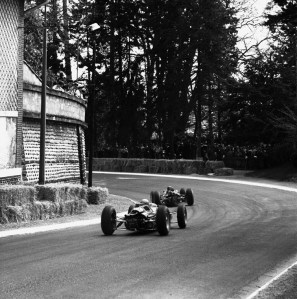
On this occasion, though, Trevor dabbed the brakes just before the line, foiling Jim in a neat reversal of what would see years later at Imola, 1982, and Malaysia, 2013:  Trevor wanted the win to go to Clark, despite Jim’s best efforts to share it.

As light as the opposition had been, Jim and Trevor were nonetheless exhausted after their torrid day’s work.  Over dinner, as plans were made for the drive down to Italy for the following Sunday’s Grand Prix of Imola, a radio crackled out some of the latest hits from England and America – “Big Girls don’t Cry” and the Beatles’ new single, “Please Please Me”.  Then, after phone calls back home, they discussed the news of the day: Innes Ireland had won at Goodwood in front  of 50,000 spectators in the BRP, from Bruce McLaren in the works Cooper and Tony Maggs’ Parnell Lotus 24 – but not before Graham Hill (’62 BRM) and Jack Brabham (’62 Brabham) had both run into mechanical dramas (fuel and ignition respectively).  The Formula Junior race went to Frank Gardner and Denny Hulme (Brabhams), from Richard Attwood’s MRP Lola; Graham Hill made up for his BRM disappointment by winning the Jag 3.8 battle for the St Mary’s Trophy from Roy Salvadori and Mike Salmon; Jack Sears had been quick in the new Ford Cortina GT; Sir John Whitmore and Christabel Carlisle led the Mini division; Graham Hill also won the Sussex Trophy GT race with John Coombs Jag E-Type; and Roy Salvadori won the sports car race – the Lavant Cup – with his Cooper Monaco. Normand Racing had been right up there in the wet, with Tony Hegbourne driving Jim’s Oulton Lotus 23B alongside Mike Beckwith.  The pair had eventually finished second and fourth (despite spins!).20328098
Images: LAT Photographic

Notes from the Sepang paddock

  • After the beauty of the AGP 60th anniversary celebrations at Albert Park, it’s a shame that not more is being made of this being Sepang’s 15th F1 birthday. I know it’s not a major milestone but, so far as modern supercircuits go, Sepang has done well to get this far. It has none of the carnival atmosphere of Melbourne; it’s hot and debilitating; but it does boast some incredible corners and it does have the Malaysian government full-square behind it, despite relatively small crowds. Personally, I love Sepang. I just wish the weekend as a whole had a bit more AGP-style gift-wrapping.
  • Speaking of great corners, I spent Friday watching our aces through the very quick left- and right-handers they call Turns Five and Six. I’m particularly fond of this section because there are about three different solutions to the problems posed by high-speed changes of direction. You can really lean on the right rear as you go in, then ask a lot of the car as you pivot it back to the left rear for the dive into the right-hander (as Mark Webber, Romain Grosjean, Paul di Resta and Sergio Perez were doing); you can compromise the left-hander a little and move the car way over to the left for the right-hander that follows (as Nico Rosberg and Jenson Button were neatly doing); or you can ride a very narrow line of perfection by finding the tiniest of “neutral” zones for the change of direction between the two corners (as Kimi Raikkonen, Sebastian Vettel, Fernando Alonso and Adrian Sutil were doing).  The last group also tucked in a little earlier to the apex of the right-hander (Turn Six), thus shortening the corner.  All this in a flash of a second – but easy to see from the elevated vantage points both on the inside and outside of the corners.  Best through this section? Kimi, by a car’s width or two, although Lewis never really looked as though he was on the absolute limit.
  • Then it rained.  For the second race in a row, plaudits must go to Sauber’s new signing, Esteban Gutierrez, who looked very relaxed and supple in the semi-wet. There was about a five minute period of reasonable consistency, weather-wise, in FP2, and Gutierrez for this little cameo was right up there with Romain Grosjean, Nico Rosberg, Mark Webber and Fernando Alonso.   He was fastest, indeed, on my stopwatch. Romain had a big moment at the aforementioned high-speed esses but – unlike Melbourne – Esteban kept it all nicely on the island.  Sauber didn’t have the greatest of days in the dry (fire extinguisher and cracked exhaust issues) so this should have cheered them at least for ten minutes or so.  Also impressive in the wet (as in Melbourne) was STR’s Jean-Eric Vergne.  Unlike Kimi (who should know better) JEV also kept his car nicely to the right-hand side of the finishing straight all day whilst accelerating through the gears.  Kimi, for some strange reason, was running diagonally across the straight over to his braking point for Turn One.
  • It was good to see Daniel Riccardo juggling a trio of tennis balls as he walked to his garage this morning.  I’m sure most F1 drivers are able to juggle if they put their minds to it, but it’s not often you actually see the skill in motion in the F1 paddock.  Ross Cheever, the mega-quick American, was also a serious juggler and we know that both Lewis and Nico are mono-cyclists of some repute.  Then there’s Kimi.  I’ve seen him balancing a motionless mountain bike for well over a couple of minutes.  Again, I’m sure he’s not alone.  Why don’t we organize some sort of “circus” day for the F1 stars?  It’s one thing to see them plying their skills at 280kph.  It would be quite another to seem them displaying their co-ordination, balance, timing and eyesight in ways that we can all understand.
  • I may be wrong, but I suspect – I say I suspect – that still nothing has formerly been done about the pre-race national anthems.  Certainly it looked to be the usual shambles in Melbourne.  The AGP Corporation, like all organizing bodies, went to great lengths to execute the anthem with a local singing star and with suitable respect for their country – “Please be upstanding for the National Anthem of Australia”, said the circuit PA – but the F1 world, from what I could see, just went on about its business on the starting grid, sucking drink bottles, looking at watches (sorry, “timepieces”), checking tyre warmers, downloading data and generally milling around.  There was no observance whatsoever, in other words, of the local national anthem.  Can it be that hard for the F1 industry to set itself a new standard of behaviour?  We can’t expect the drivers to stand to attention – or even sit to attention if they’re already in their car – but why isn’t it de rigour for each team to nominate a representative to stand to attention at the front of the grid whilst the anthem is played?  Is the opening anthem any less important than the post-race podium anthems?  Pre-race, the TV cameras could pan along the row of uniforms, rugby-style, and commentators could stay quiet for a minute whilst the anthem is respected.  It would be a poignant, respectful moment.  A moment that at present we don’t have.  And that, I think, is wrong.

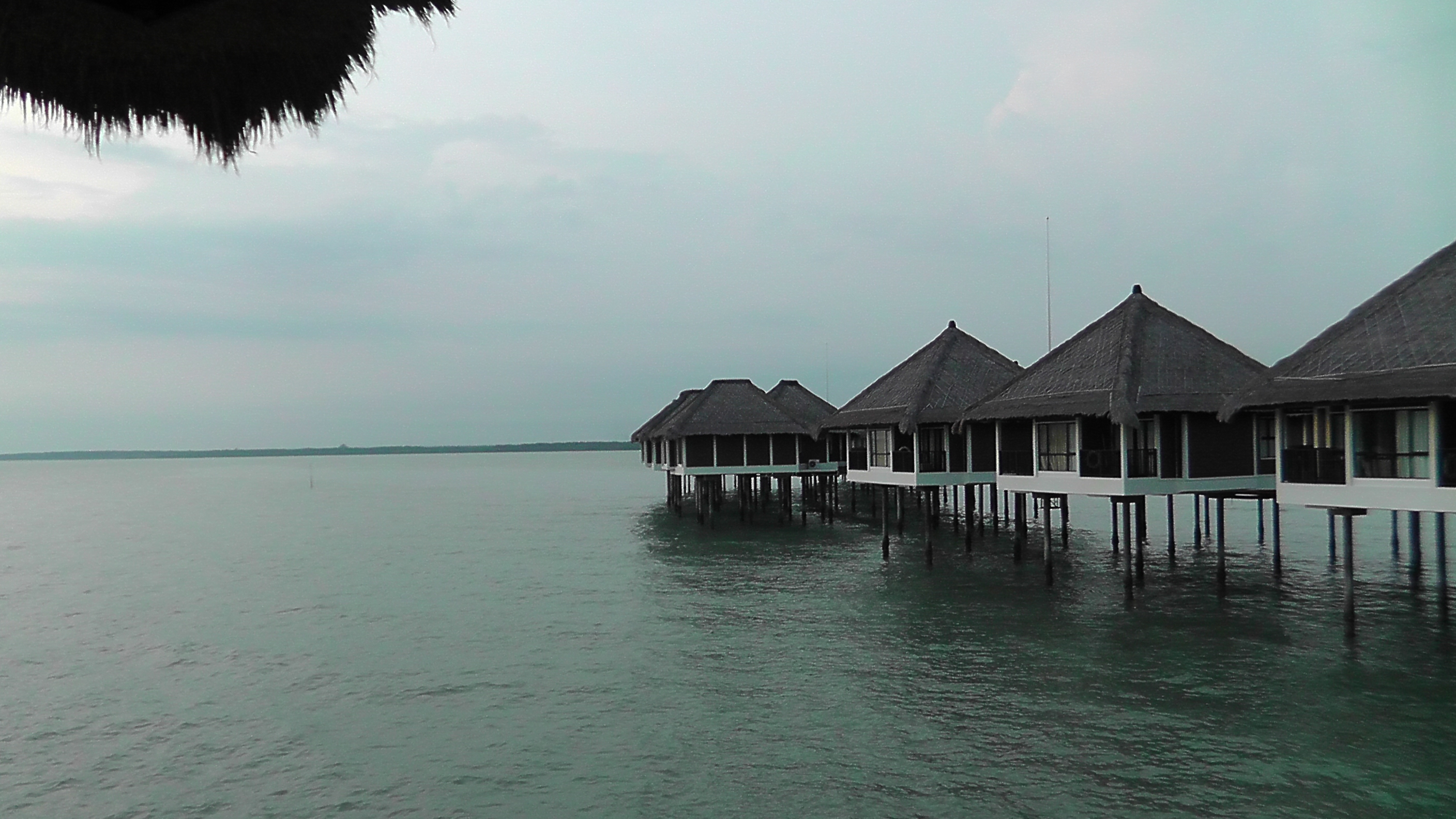
Anyway, time for dinner.  I’m staying at an amazing hotel called the Golden Palm Tree.  Our cottage is on stilts;  the water shimmers beneath us; and the circuit is but a 40-min adventurous ride away in a battle-scarred Proton. This weekend the locals are due to set fire to elaborate paper decorations they’ve been keeping specially for the occasion.  Should add nicely to the general heat and haze.    As I say, I love Sepang.S2360003

The Racer’s Edge

TRE_1920x1080Welcome to The Racer’s Edge – your weekly, live, F1 chat show brought to you in association with F1 Racing magazine. You can watch it either here or on our host YouTube channel (www.youtube.com/peterwindsor); on both locations you will find a countdown to the next live show and on the YT channel you will in addition be able to watch previous episodes on-demand. Here we will be featuring comments and updates from some of the show’s regular guests, including Craig Scarborough, Rob Wilson, Enrique Scalabroni and the journalists at F1 Racing. The show will be based from May onwards at a new studio at Haymarket Publishing in Teddington but we’ll be on-the-road, too, starting Wednesday, March 13, when we’ll be broadcasting to you live (on YouTube) from the offices of the Australian Grand Prix Corporation in Melbourne, Australia. A week later we’ll be live from Malaysia.

Already the season is looking mouthwateringly close. You may like to take a look at the latest edition of F1 Racing for your full guide to the season;  it’s a big read, so give it some space. At some point you may come across the  preview feature I wrote (before the recent tests started in Jerez and Barcelona).  Twelve months ago I opted for Fernando Alonso to win the championship, so, this year – rather than stating the obvious (which is that both Fernando and Sebastian Vettel naturally have great chances to win) – I’ve gone for the new Mercedes driver, Lewis Hamilton. I know many people are expecting him to be ultra-quick in 2014, when the new engine regulations come into play, but I think he’s also in great shape this year, too. I could be wrong, of course – I was last year, by a point or seven! – but there you are.

My column in F1 Racing this month is about how certain races – the Australian and French Grands Prix, to give but two examples – belong on the F1 calendar – and in the next edition of the magazine I’ll be analysing the driving styles of the 2013 F1 drivers and why some of them – but not all – will be well-placed to take advantage of this year’s Pirelli tyres.

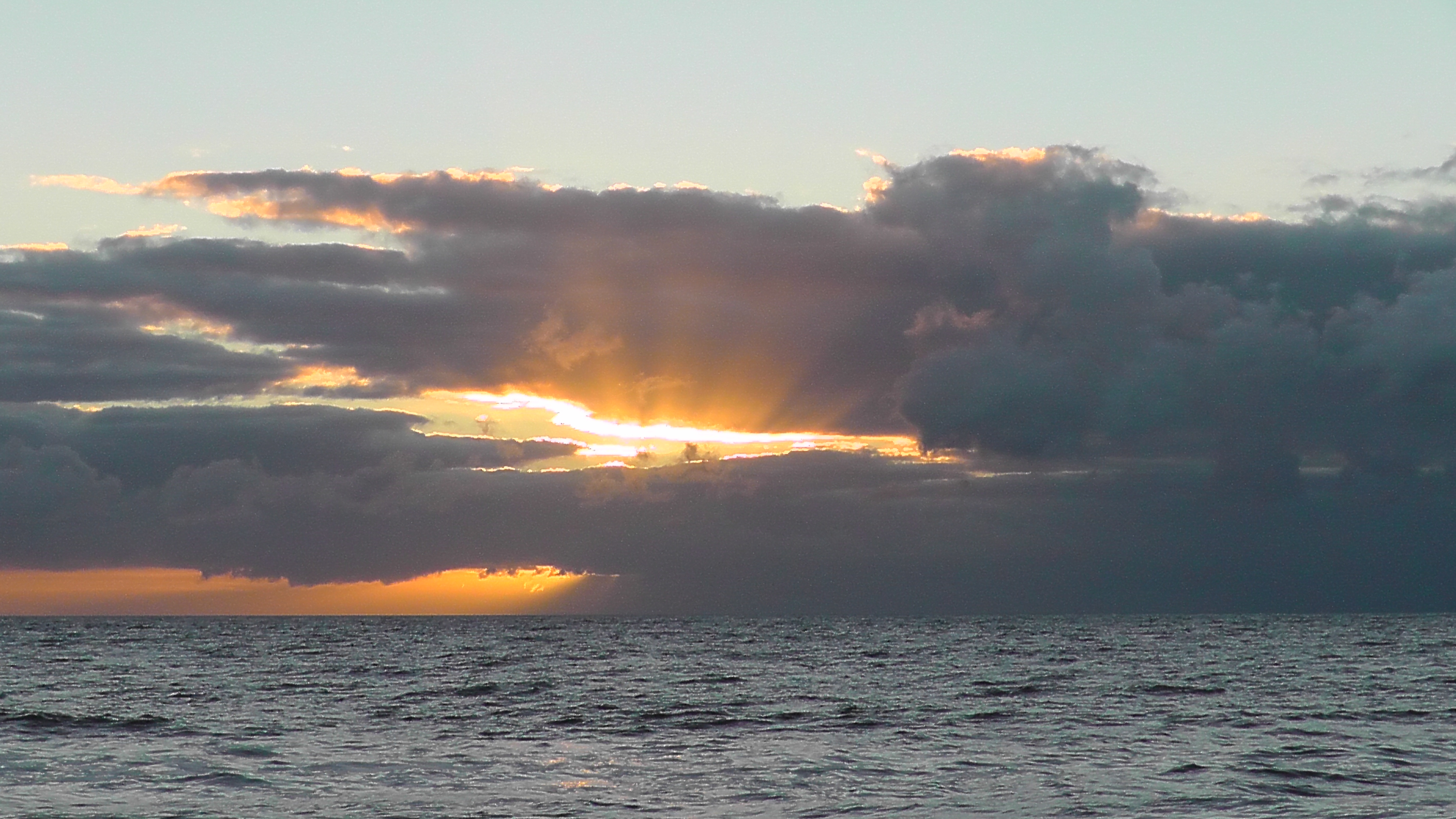
I hope you enjoy the new show. You’ll be able to post live comments on Twitter (#trelive) and send in questions to our Facebook wall (www.facebook.com/theracersedgetv). For now, I hope I make you all envious with a shot I took this morning from Newport Beach, Sydney.  Call it  “dawn of the new season”.

S2310027

Willem Toet at the RAeS – an F1 aerodynamicist’s journey

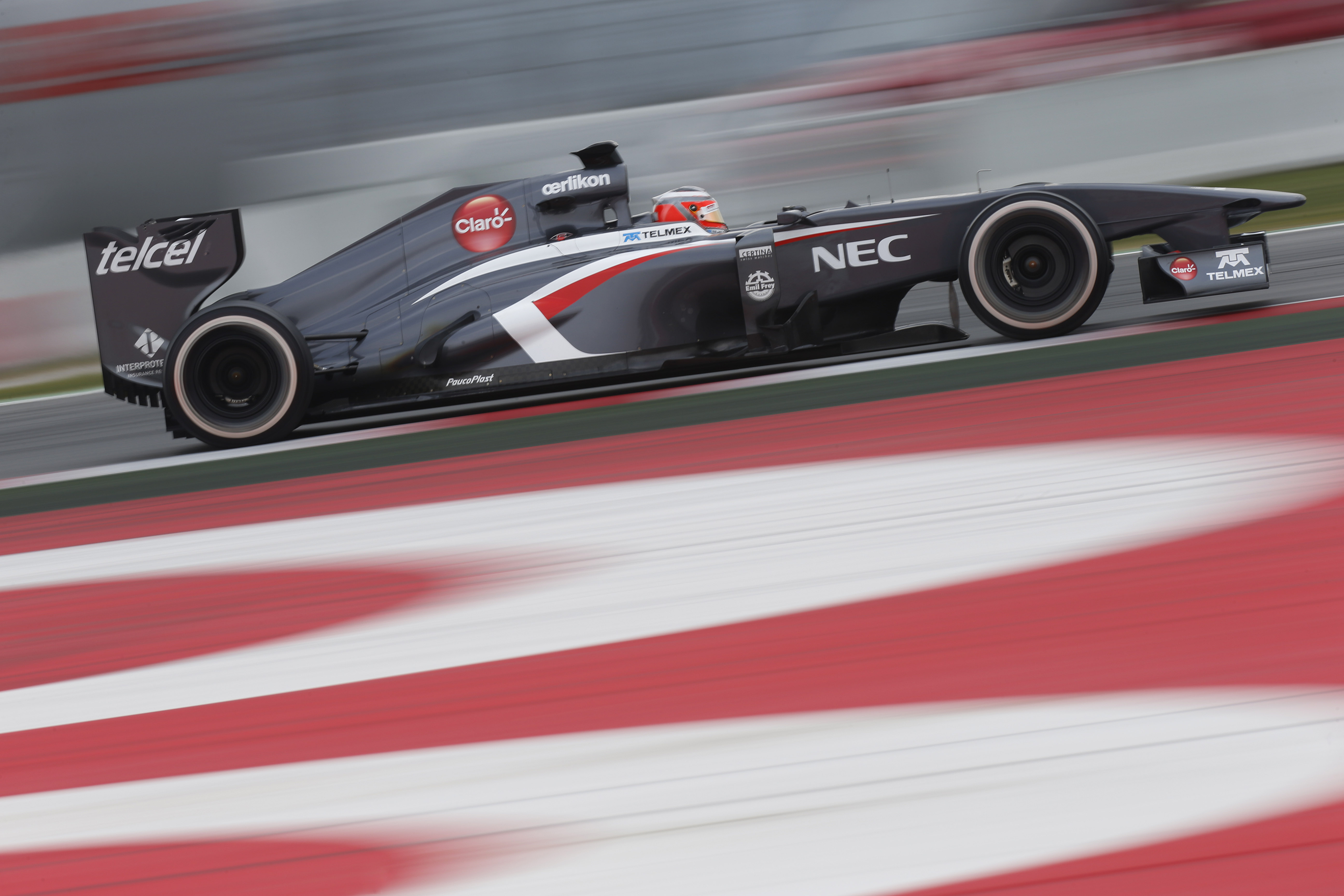
F1 Testing Barcelona 1 - Day 3Willem Toet, Sauber’s Head of Aerodynamics, has worked wonders with the sidepods of the new C32-Ferrari – which in some ways is no surprise: at Hinwil, Switzerland, he has created one of the best wind tunnels in F1.  A regular guest on my weekly show, Willem has never been shy about his chosen profession – or about his love for his chosen profession.  When Willem was therefore approached last year by the Royal Aeronautical Society about giving their prestigious Lanchester lecture  (named after Frederick Lanchester, arguably Britain’s first great aerodynamicist), he readily agreed.  It’s not often that we have the opportunity to hear pre-eminent F1 engineers talking freely about their work, so here, with the kind approval of the RAeS, is a link to the downloadable podcast of Willem’s lecture:

http://media.aerosociety.com/channel/2012/12/06/aerodynamics-and-aerodynamic-research-in-formula-1/5441/

Post Navigation